
Where Do Spiders Hide in Your House?

Spiders are taking over homes — and we’re not just talking about Halloween decor. Fall is prime season for these eight-legged houseguests for a couple of reasons. As the weather cools, insects start entering homes in search of warmth and food. Spiders follow their prey. They’re also looking for shelter to survive the winter months, and your home looks like the perfect spot.
Fall is also mating season for spiders. Fully grown males wander from their webs or nests in search of females, which means you’re more likely to spot them crossing floors and walls in September and October.
What Kind of Spiders Live in Tennessee?
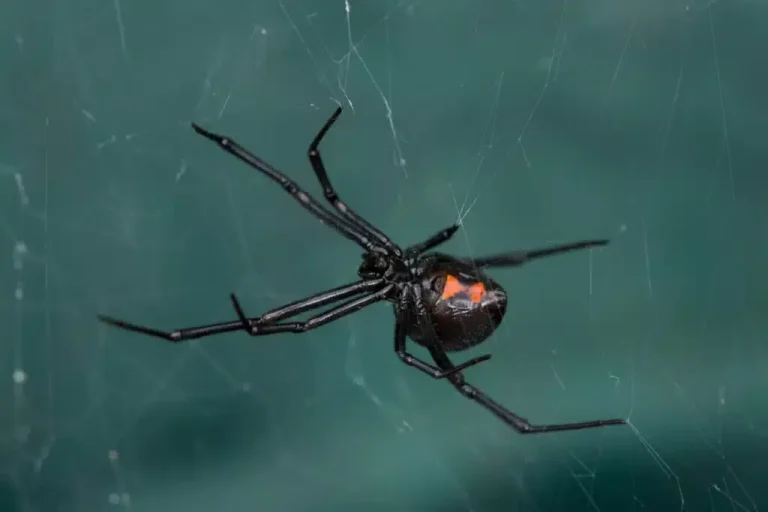
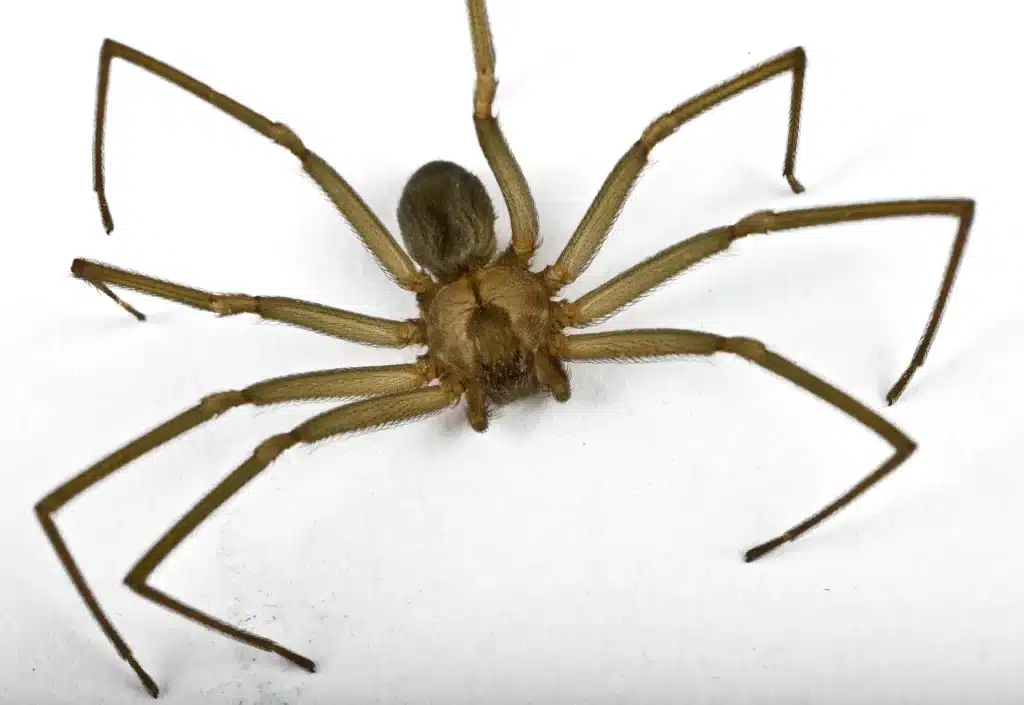
Tennessee is home to a wide range of spider species, including wolf spiders, brown recluse, black widows, house and cellar spiders, garden spiders and orb weavers, grass spiders, and jumping spiders. Most are docile and completely harmless to people, but two species are worth knowing.
Brown recluse are non-aggressive, but when they do bite, it’s more serious. Their venom contains necrotic toxins that can cause significant nerve and tissue damage around the bite area if left untreated, along with symptoms like nausea, vomiting, fever, and chills.
Black widow bites are also medically significant, causing full-body aches and muscle cramps within 30 to 60 minutes of the bite. Over the following days, some people experience fever, chills, nausea, vomiting, and fatigue.
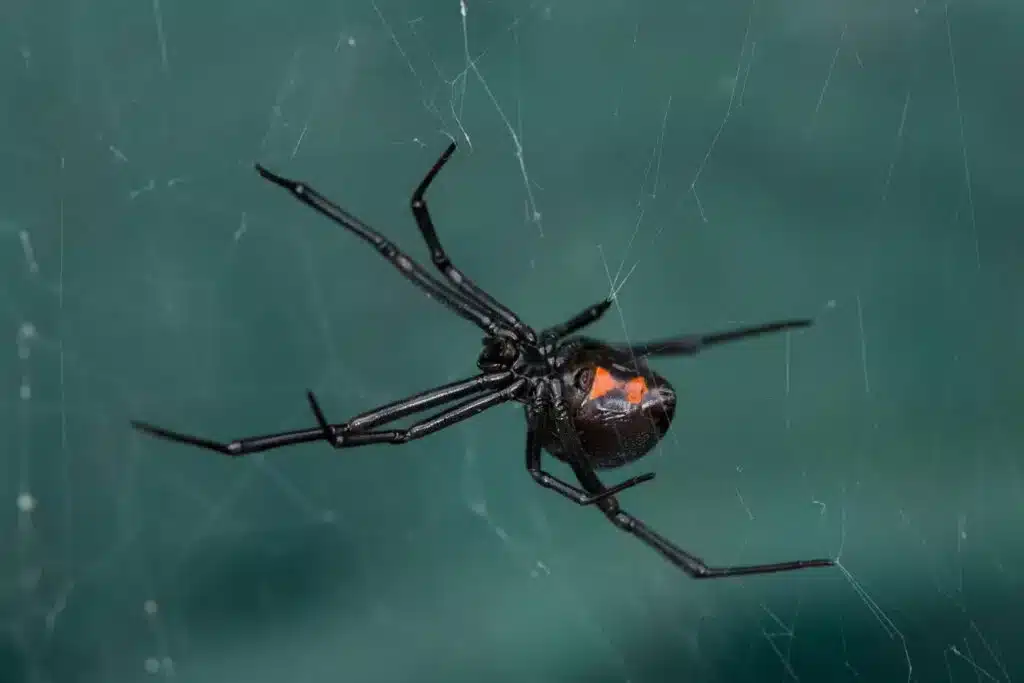
If you see either of these spiders in your home, call a professional right away.
Why Does Tennessee Have So Many Spiders?
Tennessee’s warm, humid climate means a long insect season. Flies, moths, ants, wasps, mosquitoes, fleas, ticks, and more don’t really have an off-season unless winter runs colder than average. With that much prey available year-round, spiders have plenty of reason to stick around.
Tennessee also has a lot of wooded areas and lakeside properties. Spiders thrive in those environments and frequently wander from the woods and shoreline into crawl spaces or basements, following prey and looking for shelter.
Where Do Spiders Hide Around Homes?
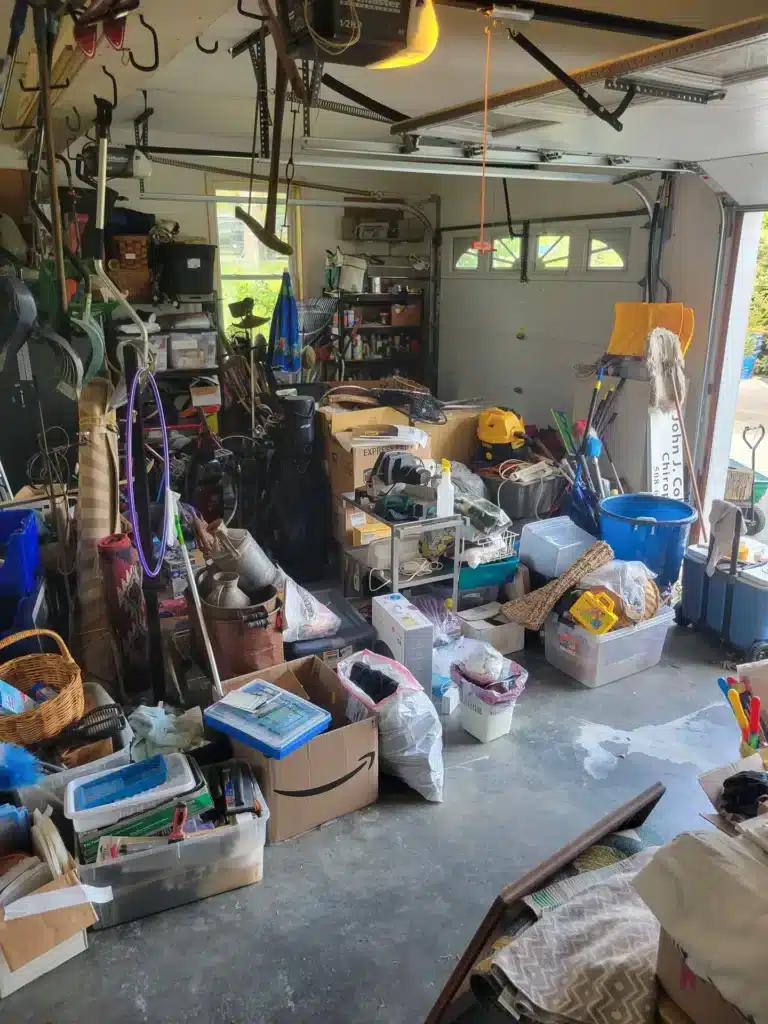
If an area is sheltered, left undisturbed, and near a consistent food source, a spider will find it. Below are the spots where Tennessee spiders are most commonly found.
Be especially careful around these areas of your home and yard during fall spider season, particularly if you live on a wooded lot or near water like Old Hickory Lake or Percy Priest. A lot of people are doing yard work this time of year — wear gloves and check before reaching into woodpiles or storage boxes.
Outdoor lighting is another thing to watch. With the sun setting earlier, porch and patio lights are running longer. Those lights attract insects, and leaving them on for extended periods makes your home look like an all-you-can-eat buffet to anything hunting them. Switching to yellow bulbs or putting lights on tighter timers helps.
How to Handle Spiders
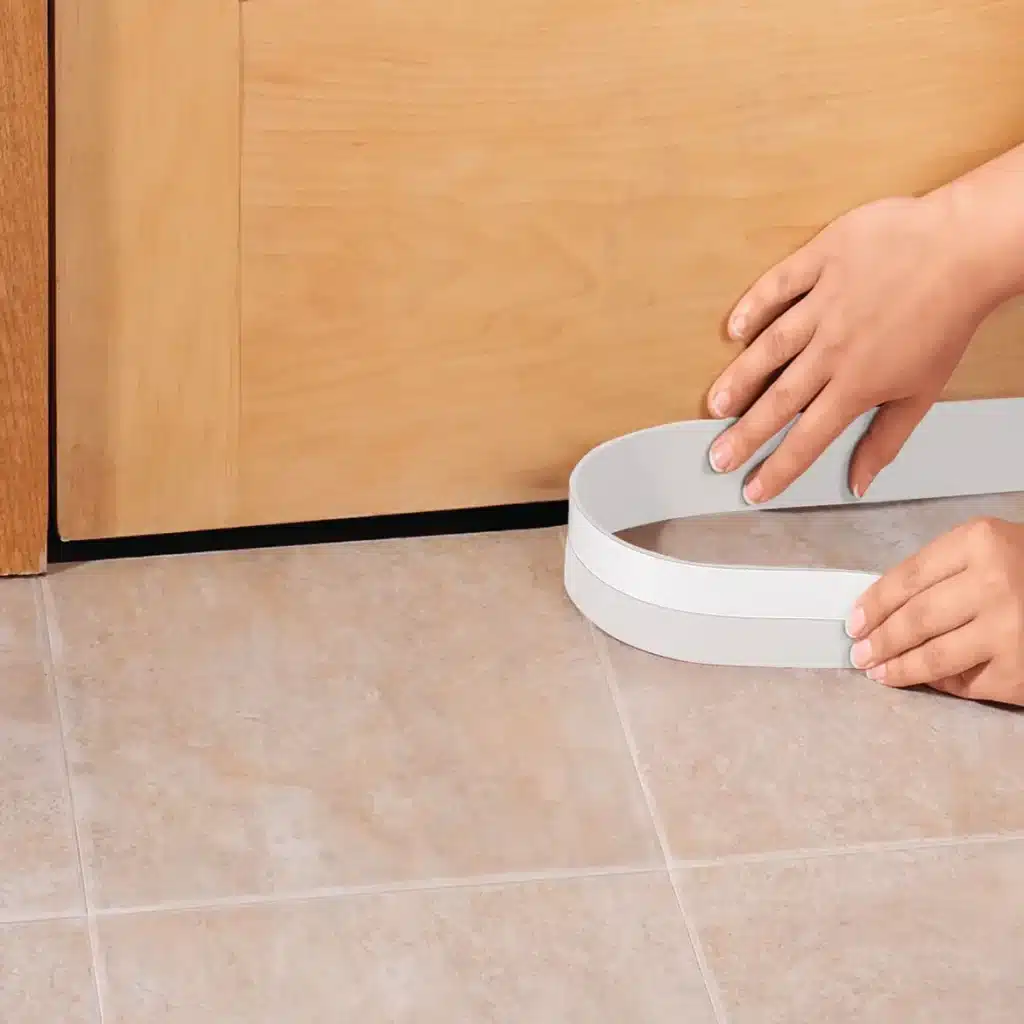
If you want to see fewer spiders, start by reducing what draws other pests in. Seal doors and windows, turn off outdoor lights when they’re not needed, clear leaf litter from around the foundation, and keep food and trash cleaned up inside and out. These steps cut down on roaches, ants, beetles, mosquitoes, and moths — which means fewer spiders following them in. Decluttering basements, storage areas, and crawl spaces removes hiding spots, especially for brown recluse and black widows.
Is Your Area Heavily Affected?
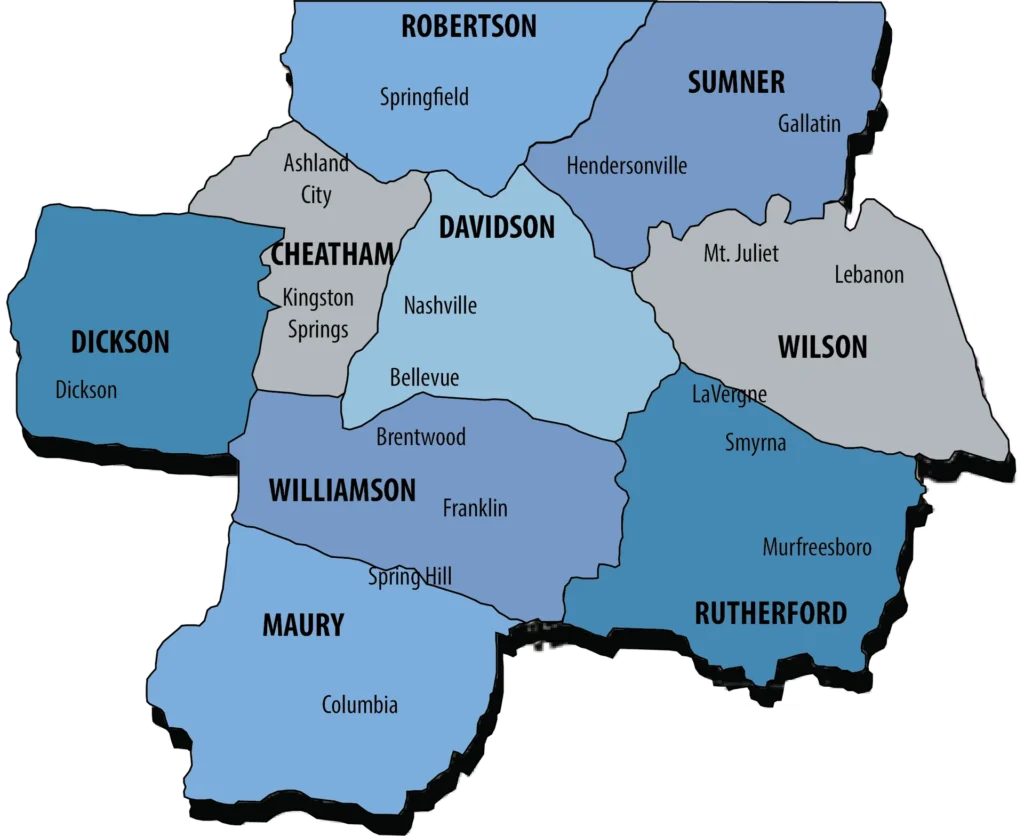
The service areas seeing the most spider activity right now are Nashville, Murfreesboro, Mt. Juliet, and Hendersonville. Nashville’s older housing stock and dense urban areas make it a hotspot for brown recluse. Urban expansion has pushed spiders and their prey out of natural habitats and into homes and buildings. Hendersonville and Mt. Juliet see high numbers of common house spiders, fishing spiders, and wolf spiders, driven by the heavy insect populations their lakeside locations attract.
The U.S. Pest Difference
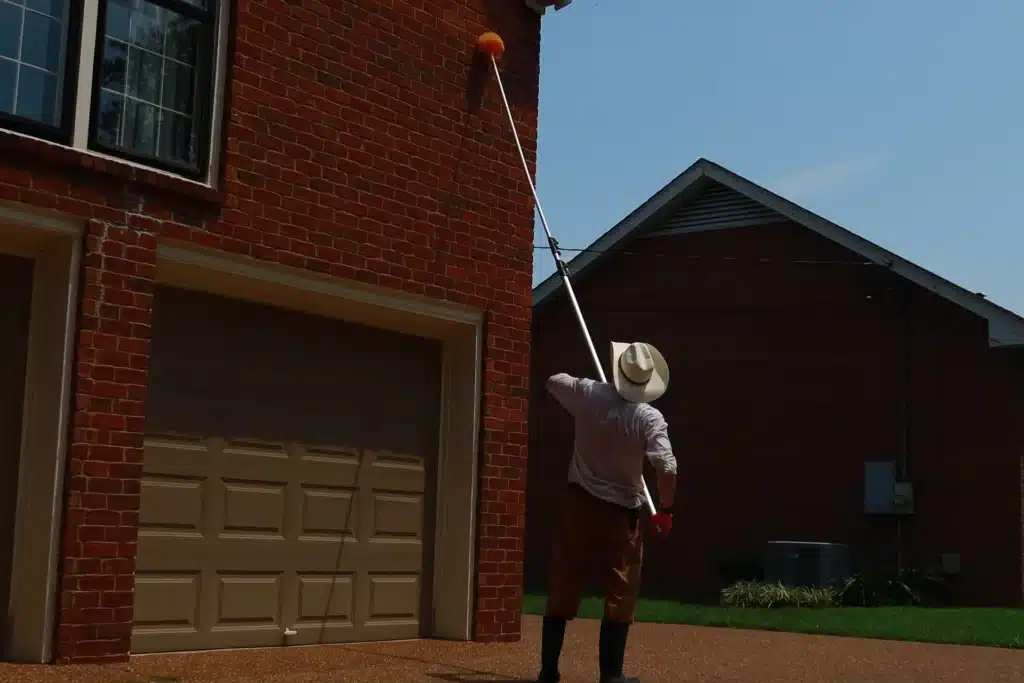
DIY steps help, but no home treatment is foolproof. At U.S. Pest Protection, we treat year-round to keep your home consistently protected. We spider mop at every visit to clear out webs and nests in hard-to-reach spots, and we offer free inspections — so if you’re noticing a lot of spider activity or suspect an infestation, give us a call. We’ll find the problem, put together a plan, and get you on track to being pest-free. Call us today at 615.590.1260 or…