How Do I Know If I Have Brown Recluse Spiders in My Home?

Brown recluse spiders are shy by nature, which is exactly what makes them hard to find. Unlike the cellar spiders or orb weavers you might notice in a corner, brown recluses stay hidden. So if you do see one in your home, there’s a good chance more are tucked away nearby. Here’s how to identify a brown recluse, where they hide, what signs point to an infestation, and what to do if you find one.
What Does a Brown Recluse Look Like?
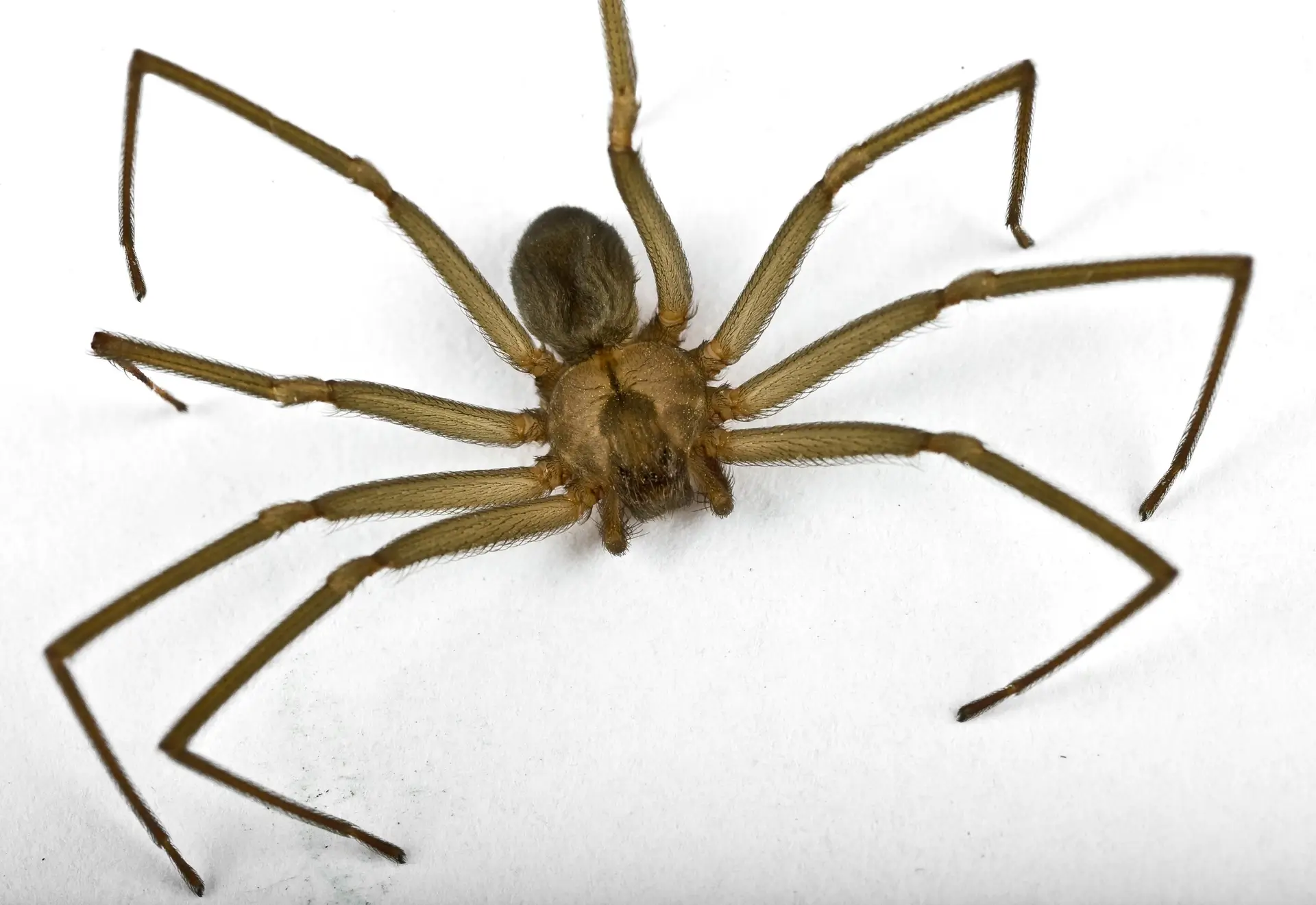
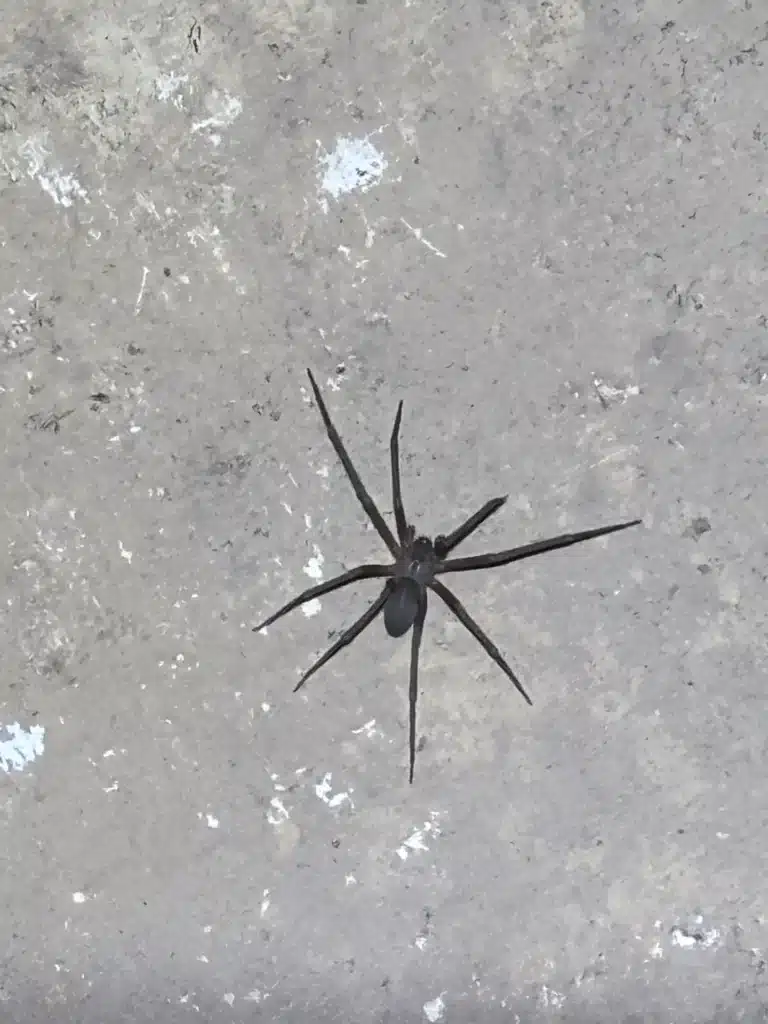
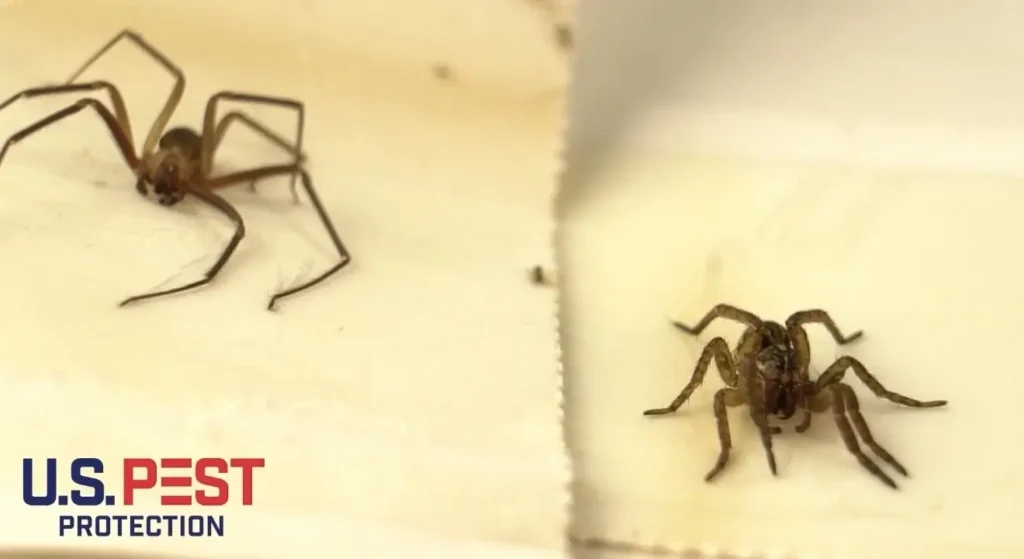
Brown recluses are small, smooth spiders that range in color from light tan and yellow-brown to darker brown and gray. They’re often confused with house spiders, grass spiders, and wolf spiders, but two details set them apart: a violin-shaped marking on the back (with the neck of the violin pointing toward the abdomen), and six eyes arranged in three pairs instead of the eight eyes most spiders have.
Males are usually smaller than females, and juvenile brown recluses may not yet have the distinct violin marking — it develops as the spider matures.
Brown recluse I.D. checklist:
- Slender, smooth body with no spines on the legs
- Six eyes arranged in three pairs
- Violin-shaped marking on the back
Are Brown Recluse Spiders Common in Middle Tennessee?
Yes. Brown recluse spiders are one of the most common spiders in Middle Tennessee and one of two medically significant species in the state, the other being the black widow. They favor dark, undisturbed spaces — garages, crawl spaces, basement corners, firewood stacks, stacked boxes, water meter boxes, and rarely used gloves or shoes.
This time of year, keeping your yard, garage, and basement clear of clutter matters more than ever. Be careful when putting on shoes or gloves that have been sitting in the garage, and check boxes or furniture that haven’t been moved in a while. Spiders can settle into a spot quickly, and looking before you reach is a simple habit that can prevent a bite.
Are Brown Recluse Bites Dangerous?
Yes. Brown recluse bites can cause serious injury. Both males and females bite, and their venom can cause necrotic damage to the tissue around the bite site. You may not feel the bite at first, but symptoms develop over the following hours. The area will become painful, and a bulls-eye pattern or blister may form. Over the next few days, bruising can develop as the venom breaks down tissue. In severe cases, a necrotic ulcer forms that can take weeks or months to fully heal. Some people also experience systemic symptoms including nausea, vomiting, fever, sweating, and elevated blood pressure.
Recovery rates are high, so if you’re bitten, stay calm — but do see a doctor, particularly if you’re elderly, pregnant, or treating a child. Rest, keep the bite area elevated, monitor your symptoms, and watch for signs of infection as the skin heals.
This article is for general information only and is not a substitute for medical advice. If you believe you’ve been bitten by a brown recluse, contact a medical professional promptly.
What Are the Signs of a Brown Recluse Infestation?
Seeing the spiders themselves is the most obvious sign — and because brown recluses avoid people, spotting one out in the open is not a good sign. Males roam more than females, especially during fall mating season and when following food sources indoors.
Messy, irregular webs are another indicator. Brown recluses aren’t skilled web builders and don’t use webs for hunting. They use them as resting spots and for egg sacs. Look for these in closets, basements, attics, crawl spaces, old cardboard boxes, and shoes. Outdoors, check under rocks, woodpiles, and sheds.
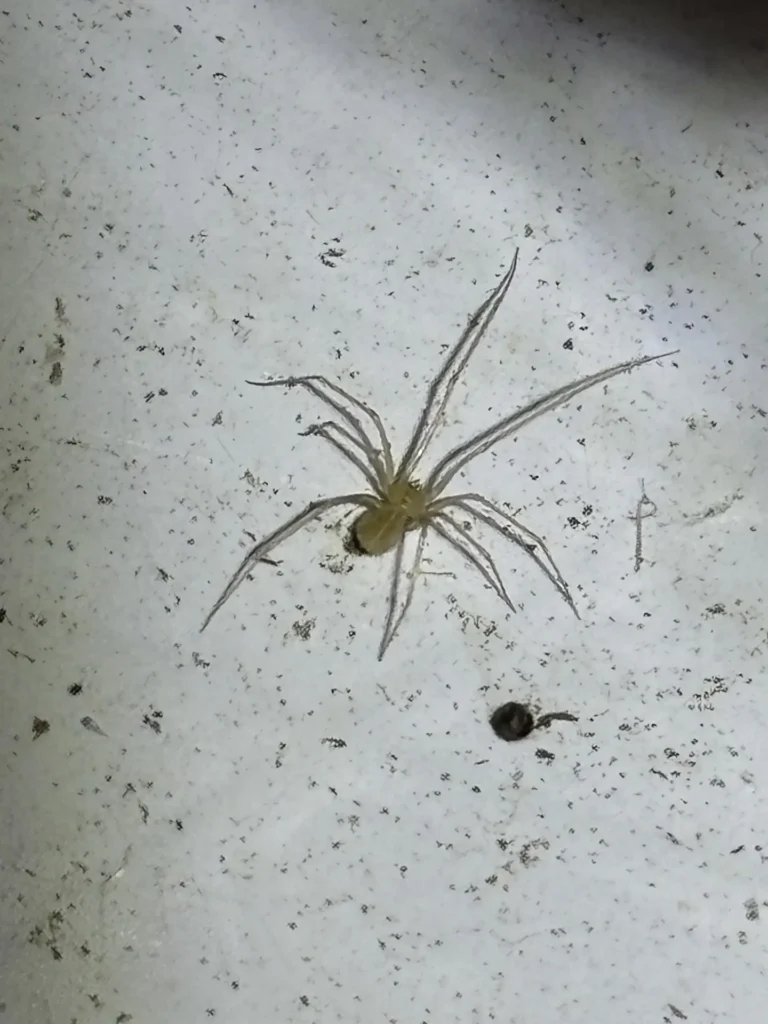
Spider molts are a third sign worth knowing. Brown recluse shed skins are flat and outstretched with widespread legs, and the abdomen appears shriveled compared to molt skins from other household spiders. Brown recluses molt five to eight times before reaching adulthood, so finding shed skins means spiderlings have hatched recently — an infestation may already be underway.
Brown recluse signs checklist:
- Live spiders in closets, attics, basements, or storage areas
- Shed skins in boxes, corners, or behind furniture
- Spiders caught on glue traps along walls
- Spiders found in bathtubs or sinks (they can’t climb smooth surfaces to get back out)
- Spiders in shoes, bedding, or clothing that hasn’t been worn recently
Why Am I Finding Brown Recluse Spiders More in the Fall?
A few things happen in fall that push brown recluses into more visible territory. Cooler temperatures drive insects indoors in search of warmth, and brown recluses follow their food supply. Fall is also mating season, so males roam more actively from their hiding spots.
Fall is also when most people start pulling out things that have been sitting untouched since spring — Halloween decorations, stored boxes, winter gloves, boots, and heavier clothing. All of those are ideal brown recluse hiding spots. As people reach into boxes and closets, they’re reaching into spaces spiders have had months to move into.
Shake out shoes and gloves before putting them on. Check boxes and dark corners before reaching in. It’s a small habit with a meaningful payoff.
How Do I Get Rid of Brown Recluse Spiders?
Start by reducing their habitat. Keeping your garage, basement, and yard clear of clutter cuts down on hiding spots. Store firewood and outdoor furniture as far from the house as possible. When handling stored items, wear gloves. Glue traps placed along walls can catch recluses when they roam.
These steps help, but brown recluses are difficult to eliminate without professional treatment. If you’re seeing consistent activity, it’s time to call in a professional. U.S. Pest Protection can identify where they’re entering, treat the infestation, and put together a plan to prevent it from coming back.