
What Do Brown Recluse Spiders Eat? (And Why It Matters)

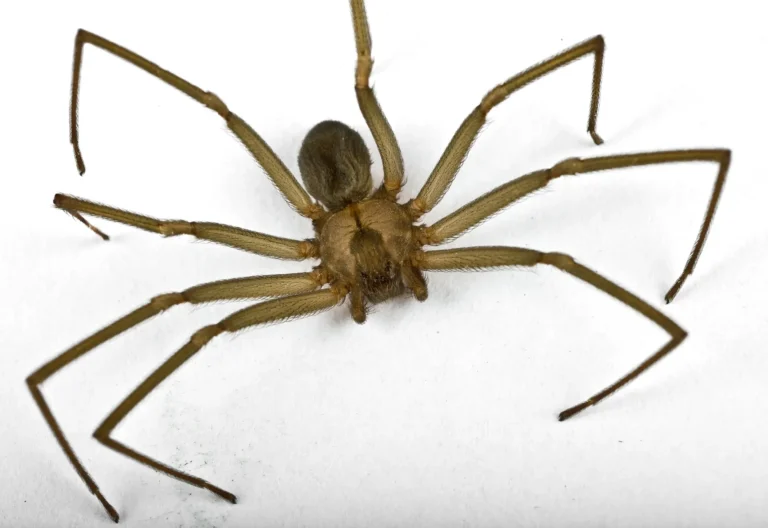
Brown recluse spiders eat small, soft-bodied insects, like crickets, cockroaches, moths, and flies, and they’ll also scavenge insects that are already dead. That second part matters more than most homeowners realize: the bugs already in your house, alive or dead, are what keep brown recluses fed. Here’s how they hunt, how long they can go without food, and how to cut off their supply.

What Brown Recluses Eat
- Crickets, including the camel crickets that live in damp crawl spaces and basements
- Cockroaches and other household insects
- Moths and flies that make their way indoors
- Dead insects on windowsills, in light fixtures, and along baseboards
Extension entomologists note that cockroaches and other household pests can readily sustain a brown recluse infestation indoors. In other words, a home with plenty of insects is a home with plenty of brown recluse food. For more on this spider, see our brown recluse identification guide.
How Brown Recluses Hunt
Unlike orb weavers and cobweb spiders, brown recluses don’t build webs to catch food. Their small, loose, irregular webs are retreats where they rest and lay eggs. Instead, they wander out at night and hunt in the open, then return to hiding before morning.
That night-time wandering is why brown recluses turn up in shoes, clothes on the floor, and bedding. They aren’t looking for people. They’re looking for insects, and they hide in whatever’s close when daylight comes.
Do Brown Recluses Eat Dead Bugs?
Yes. Brown recluses eat both live and dead insects, which is one reason they do so well in quiet parts of a home. A storage room, closet, or attic with a scattering of dead insects can feed them for a long time with very little effort.
It also means clean-up is part of control. Vacuuming up dead insects from windowsills, corners, and storage areas removes an easy meal.
How Long Can a Brown Recluse Go Without Eating?
Far longer than most people expect. According to Alabama Cooperative Extension, brown recluses can go up to 12 months without food or water. That’s why simply leaving a room empty or boxing things up doesn’t get rid of them, and why they’re so hard to eliminate on your own.
They’re long-lived, too. Brown recluses take about a year to mature, and some live for several years after that.
Where Brown Recluses Hunt in Tennessee Homes
Every part of Tennessee is within the brown recluse’s native range, and indoors they stick to dark, dry, undisturbed spots close to their food. The places we find them most often:
- Closets, especially on the floor among shoes and stored clothes
- Cardboard boxes in attics, basements, and garages
- Behind baseboards, furniture, and picture frames
- Under bed skirts and in guest beds that rarely get used
- Crawl spaces and unfinished basements, where crickets and other prey are plentiful
Signs Brown Recluses Are Feeding in Your Home
- Shed skins in corners, closets, and storage areas, left behind as they grow
- Small, loose, off-white webs tucked into undisturbed corners near walls or ceilings
- Spiders on sticky traps, especially in closets and along walls
- Plenty of other insects, alive or dead, which means plenty of food for them
Why Your Other Bugs Matter
If you have brown recluses, you almost certainly have something for them to eat. Getting the rest of your pest problem under control takes away the food that keeps them around:
- Cockroaches: a steady food source indoors. Our cockroach control handles every kind of roach.
- Crickets and moisture pests: damp crawl spaces breed the camel crickets and other insects brown recluses hunt. Our crawl space services address the moisture behind them.
- General insect pressure: regular general pest control keeps the overall insect population low inside and out.
How to Cut Off Their Food Supply
- Vacuum up dead insects in windowsills, corners, closets, and storage areas.
- Declutter closets, basements, and garages, and swap cardboard boxes for sealed plastic bins.
- Place sticky traps along walls, behind furniture, and in closets. They catch wandering brown recluses and the insects they feed on, and show you where activity is highest.
- Seal gaps around doors, windows, and utility lines to keep insects and spiders from wandering in.
- Fix moisture problems that draw crickets and other prey.
When to Call a Professional
Because they hide so well and can go so long without eating, brown recluses are one of the hardest pests to eliminate yourself. U.S. Pest treats brown recluses as their own dedicated service, separate from general pest control, with a plan built around the closets, attics, and storage spaces where they hide. Your Pest Pro will give you a firm price at your free inspection, and our preparation checklist shows you how to get your home ready.
Brown Recluse Diet FAQs
What do brown recluse spiders eat?
Small, soft-bodied insects like crickets, cockroaches, moths, and flies. They also scavenge insects that are already dead.
Do brown recluse spiders eat dead bugs?
Yes. They eat both live and dead insects, which helps them survive in quiet areas like closets, attics, and storage rooms.
How long can a brown recluse live without food?
Up to 12 months without food or water, which is why leaving a room empty won’t get rid of them.
Do brown recluses use webs to catch food?
No. Their loose, irregular webs are retreats. They hunt by wandering out at night.
Do brown recluses eat cockroaches?
Yes. Cockroaches and other household insects can sustain a brown recluse infestation indoors, so controlling roaches helps control recluses.
Will getting rid of other bugs get rid of brown recluses?
It helps by removing their food, but brown recluses can survive a long time without eating, so they usually need their own treatment as well.
Source note: details on brown recluse feeding and survival come from University of Arkansas Cooperative Extension and Alabama Cooperative Extension.
Seeing Brown Recluses?
Call 615-590-1260 or schedule a free inspection, and a Pest Pro will confirm what you’re dealing with and where they’re hiding.