
need help identifying a pest?
Not sure what type of pest you just discovered? No problem. Our pest experts can help you identify it, for free. Snap a picture, upload it into our free pest identification form, and have our pest experts take a look. We will send you a follow-up email as soon as we can.
U.S. Pest Identifier Index
Proper insect identification is key to effective pest control in Tennessee. At U.S. Pest Protection, we know it can be challenging,so our experts created a Pest Identifier Index with illustrations and detailed information on local pests.
From threat pests to occasional invaders, common pests in the south, find out what’s bugging you below.
Browse Tennessee Pests by Category
Every guide covers how to identify the pest, where it shows up in Tennessee homes, the risks, prevention, and when to call a professional. Start with a category guide, or jump straight to a specific pest.Ants
Carpenter ants damage wood, fire ants sting, and the rest raid kitchens.
Cockroaches
Small roaches breed indoors; big ones wander in from outside.
Termites & Wood Destroyers
Insects that eat, tunnel through, or nest in the wood of your home.
Rodents
Mice and rats that contaminate food and chew wiring.
Spiders
Two venomous species, and many harmless ones.
Bees, Wasps & Hornets
How to tell stinging insects apart, and which nests to leave to a pro.
Mosquitoes & Ticks
Biting pests that can spread disease to people and pets.
Household Pests
Pests that live in your bedding, pantry, closets, and on your pets.
Occasional Invaders
Outdoor pests that wander in, especially in fall and after rain.
Moisture & Wood Rot
Damp conditions that damage homes and attract pests.
How to Identify a Pest in Four Steps
Most pests can be narrowed down in a minute or two if you know what to look for. Before you search the index above, gather these clues:
1. Size and shape
Compare it to something familiar, like a grain of rice, a pencil eraser or a dime. Note whether the body is long and thin, oval, or pinched in the middle.
2. Legs, wings and antennae
Six legs means an insect. Eight means a spider or tick. Many legs means a centipede or millipede. Check whether it has wings, and whether the antennae are straight or bent.
3. Where you found it
Kitchen, bathroom, crawl space, attic, bed, yard or pet? Location says as much about a pest as its looks, and it tells us where to start.
4. What else you noticed
Droppings, shed wings, mud tubes, sawdust, bites or a musty smell are often bigger clues than the pest itself. Take a photo of those too.
Look-Alikes That Fool Almost Everyone
These pairs are the ones we’re asked about most. Getting them right matters, because the treatment for one won’t fix the other.
| If you think it’s… | It might be… | The quick tell |
|---|---|---|
| Termite swarmer | Flying ant | Termites have a thick waist, straight antennae and four wings the same length. Ants have a pinched waist and bent antennae. |
| Brown recluse | Wolf spider | Brown recluses are smaller, with plain, unbanded legs and a dark violin shape on the back. Wolf spiders are larger, hairier and often have striped or banded legs. |
| Carpenter bee | Bumble bee | Carpenter bees have a shiny, mostly bare black abdomen. Bumble bees are fuzzy all over. |
| German cockroach | American cockroach | German cockroaches are about half an inch long with two dark stripes behind the head. American cockroaches are much larger and reddish brown. |
| Carpenter ant | Termite | Carpenter ants leave coarse sawdust and clean, smooth tunnels. Termites leave mud in the wood and mud tubes on the foundation. |
| Bed bug | Carpet beetle | Bed bugs are flat, oval and reddish brown, found near where people sleep. Carpet beetles are rounder, often mottled, and found near fabrics and lint. |
Want more detail? See our full guides to subterranean termites, carpenter ants and wood rot and wood-destroying fungi.
Pests You Shouldn’t Guess On
Most pests are a nuisance. A few can cause real damage or health problems if they’re misidentified or left alone. If you think you’ve found one of these, send us a photo or schedule a free inspection right away.
- Termites: they can feed unseen for years, and most damage is hidden inside walls and floors.
- Bed bugs: they spread quickly between rooms and homes, and store-bought sprays often scatter them.
- Brown recluse and black widow spiders: both are venomous and both live in Middle Tennessee.
- German cockroaches: they breed fast indoors, and one sighting usually means many more hiding.
- Mice and rats: they contaminate food, chew wiring and multiply quickly once inside.
- Ticks: Tennessee ticks can carry serious illnesses, including ehrlichiosis and alpha-gal syndrome.
Identified It? Here’s What Happens Next
Knowing what you have is the first step. A free inspection is the second. A state-certified U.S. Pest Pro will confirm what you’re dealing with, find out where it’s getting in and recommend only what your home actually needs. We’ll never sell you something you don’t need.
Most common household pests, including ants, spiders, roaches, crickets, silverfish and stink bugs, are covered on our Monthly, Every Other Month and Quarterly plans, backed by our Whatever It Takes Guarantee. Termites, bed bugs and mosquitoes have their own specialized services.
Pest Identification FAQs
How does the free pest identification form work?
Snap a clear photo of the pest, upload it with a few details about where you found it, and our pest experts will take a look. We’ll email you back as soon as we can.
Is pest identification free?
Yes. Both our online photo identification and our home inspections are free, with no obligation.
What makes a good pest photo?
Get as close as you can while keeping the pest in focus, and put a coin or ruler next to it for size. Photos of droppings, damage or shed wings help too.
Should I keep the pest after I find it?
If you can do it safely, yes. Put it in a sealed bag or jar. A whole specimen makes identification much easier, especially for termites and bed bugs.
Which pests in Tennessee are dangerous?
The brown recluse and black widow spiders are venomous, ticks can carry diseases like ehrlichiosis, and stinging insects can be dangerous for people with allergies. Termites don’t hurt people, but they can cause serious damage to homes.
Does your guide cover rodents and fungus too?
Yes. Along with insects and spiders, the index covers rodents, wood-destroying insects, mold and wood-decay fungi found in Tennessee homes.
What if I still can’t tell what it is?
Use the free photo form or call 615-590-1260. If it’s causing a problem, we’ll send a Pest Pro for a free inspection.
Sources: University of Tennessee Extension, PB1344 Subterranean Termite Control; University of Kentucky Entomology, Entfacts on carpenter ants and cockroaches; Tennessee Department of Health, Tickborne Diseases.
U.S. Pest Insider: News, Tips & Updates
-

Holiday Pantry Pests: How to Keep Bugs Out of Your Baking Supplies
If tiny moths are fluttering out of your cabinets or little beetles are turning up in the flour, you have pantry pests, and the holiday baking season is when many Middle Tennessee families find them. These insects usually come home… -

Where Do Spiders Hide in Your House?
Spiders are taking over homes — and we’re not just talking about Halloween decor. Fall is prime season for these eight-legged houseguests for a couple of reasons. As the weather cools, insects start entering homes in search of warmth and… -
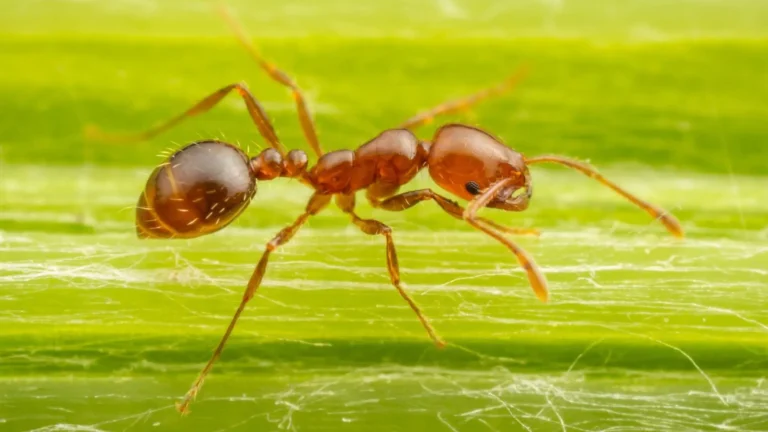
Why Didn’t We Have Fire Ants in Middle Tennessee Back in the ’80s?
Fire ants came from South America through Mobile, Alabama, and didn’t reach Tennessee until 1987. How fire ants in Middle Tennessee went from unheard of to everywhere, and what to do about them.

A real TN person answers. No call center.
Free inspections across Middle Tennessee from your local, family-owned team.
