Fall Invaders: What Pests Are Common for Middle Tennessee in October?

Fall weather seems like it’s finally here to stay as we head into the month of October. As temperatures cool down, people are enjoying pumpkin spice, cozy sweaters, and fall festivals. But cooler weather also means a new wave of pests is upon us. Below is a guide on what to look out for and how you can prepare your home for the fall season!
Box Elder Bugs
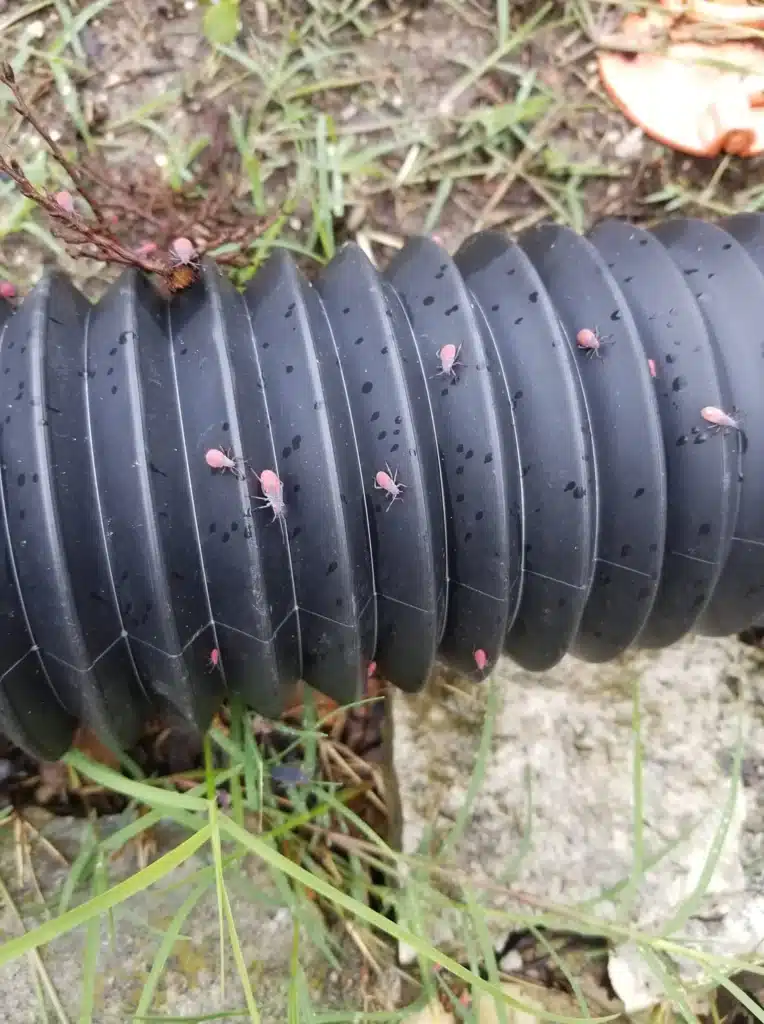
These elongated, orange bugs aren’t as well-known by name as some other fall invaders, but that doesn’t stop them from congregating in large groups around your home. They are good fliers, able to go up to 6 miles, and feed on the maple and sap of Boxelder trees — hence the name. As the weather gets colder, they lay eggs inside the tree.
While they are not dangerous, Box Elder Bugs can multiply by the hundred and quickly infest your home. All they need is the smallest crack or crevice to enter, so make sure all your windows and doors are sealed well to keep them out.
If you do see them inside your home, DO NOT crush them, as they will release a less than desirable, lingering smell, similar to the defense mechanism of Stink Bugs.
Asian Lady Beetles
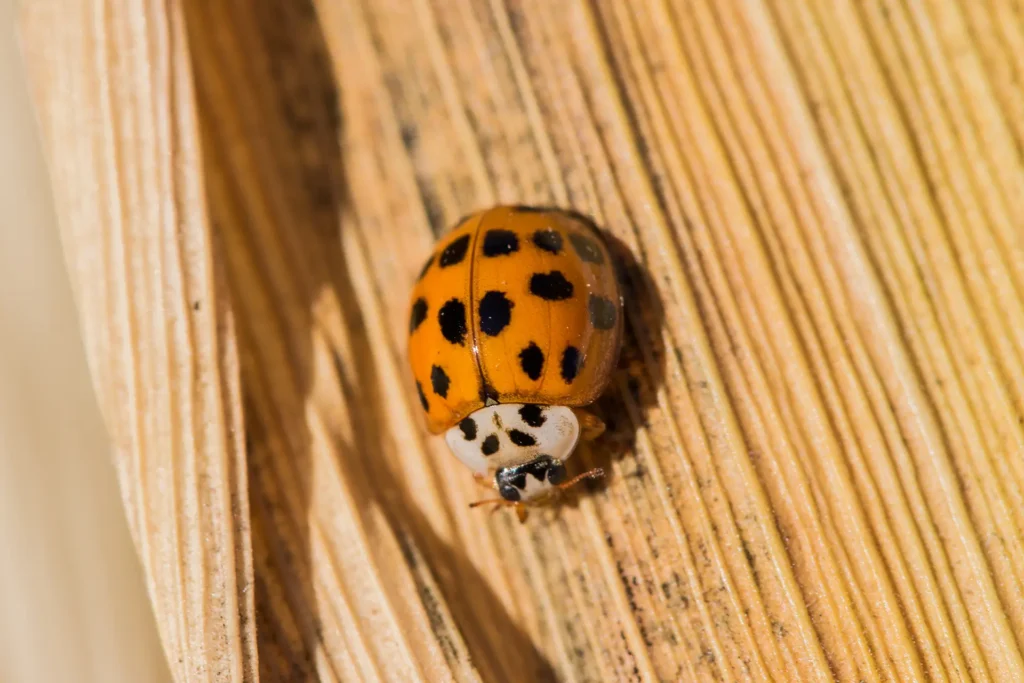
Asian Lady Beetles are commonly mistaken for Ladybugs. Adults feature tan, orange, or red wing covers that may have several black spots, though some have indistinct spots or none. A key identifier is the small, dark “W” or “M” marking on the whitish area behind their head, distinguishing them from native ladybug species.
Asian Lady Beetles tend to gather around brightly colored surfaces and windows, especially during fall months when seeking shelter. These ladybug copycats are helpful in gardens and crops as they eat other pests, but they become a nuisance when large numbers get into homes.
Asian Lady Beetle secretions and body parts can cause allergic responses in sensitive individuals as well as worsen asthma symptoms or cause respiratory irritation. They can also “pinch” human skin when they land on people, causing mild discomfort. Inside your home, the yellowish, defensive liquid they release can stain walls, furniture, and curtains. Large infestations can also produce a distinct unpleasant smell throughout affected areas and contaminate food preparation areas and living spaces.
Stink Bugs
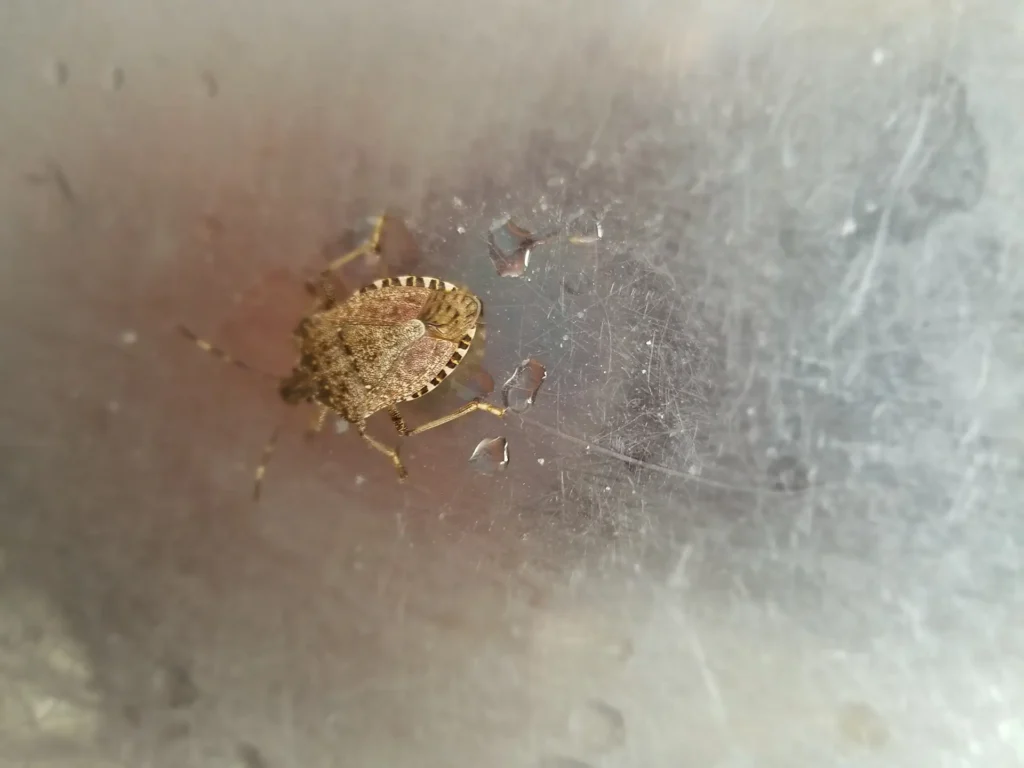
Stink Bugs have a distinctive shield-shaped body with a marbled or mottled brown appearance. Their bodies are nearly as wide as they are long, giving them a somewhat flat, broad appearance. When viewed from above, they resemble a shield or pentagon. This is why you may also hear them called “shield bugs.” They typically enter homes in search of warmth or shelter, so making sure all doors and windows are sealed will help prevent infestations from forming.
While not considered dangerous to humans, stink bugs may trigger allergic reactions in sensitive individuals, their unpleasant odor may cause temporary discomfort, and large infestations cause distress and anxiety.
These pests may also cause damage to garden plants, fruits, and vegetables, contamination of indoor spaces with their presence and odor, staining of surfaces when crushed, and potential damage to crops for farmers.
Rodents
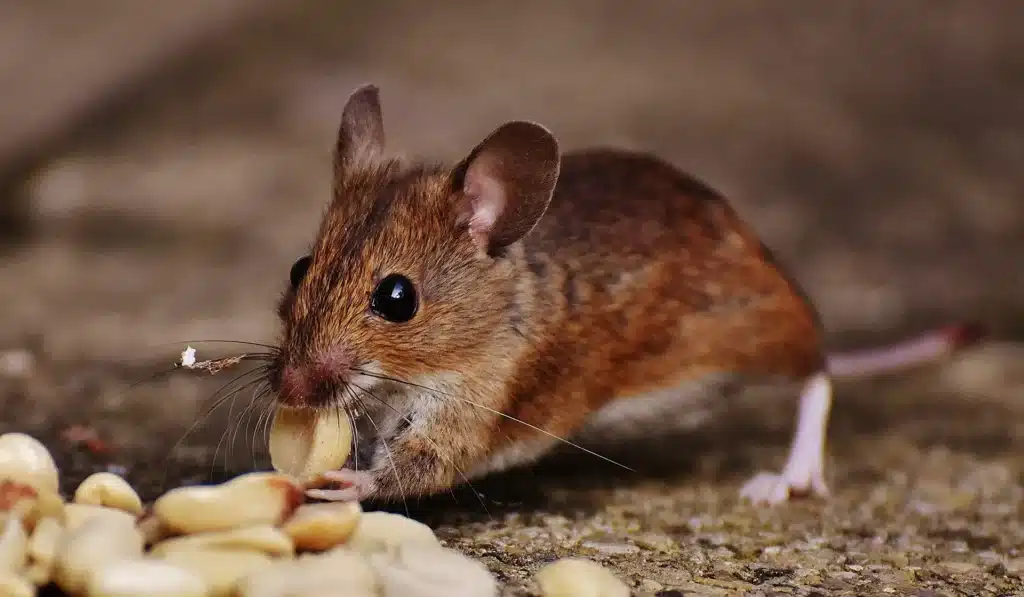
Rodents are another fall invader, and a more serious one. The house mouse is the one most commonly found in Tennessee homes. They are grayish brown with lighter grey bellies, pointed noses, and nearly hairless tails. They only weigh about 2/5 to 4/5 of an ounce, meaning they can fit through incredibly small spaces. These mice prefer to live indoors year-round where there are constant sources of food and warmth.
Also commonly found in Tennessee is the white-footed field mouse. These mice typically only make their way into homes during the colder months in search of warmth. They have larger ears and eyes than house mice.
Rats are also found frequently in homes, especially during the fall and winter. Tennessee mainly sees two species, Norway Rats (or Brown Rats) and Roof Rats (Black Rats). Norway rats are larger and heavier and prefer to stay at ground-level, so they are typically found in basements and crawl spaces. Roof Rats are smaller, more agile, and favor high spaces, hence the name. They infest attics and rooflines.
Rodents are dangerous because they can transmit diseases, both through direct contact and cross-contamination. Some diseases include Rabies, Salmonella, Rat-Bite Fever, Leptospirosis, Hantavirus, Tularemia, and Seoul Virus. Droppings and fur in living spaces or food preparation areas can cause sickness and allergic reactions, and rodents are also carriers of other disease-transmitting pests like fleas, ticks, mites, and parasites. These can cause Lyme Disease, Ehrlichiosis, Alpha-Gal, and in rare cases Plague and Rat Lungworm.
Signs of a rodent infestation include droppings, gnaw marks on baseboards, wooden structures, and food packaging, musty or foul odors, strange noises inside walls, ceilings, and floorboards, nesting material in dark, undisturbed areas, and if you have pets, any strange behavior like scratching at a baseboard or sniffing at certain appliances.
If you suspect rodents in your home, call a professional right away. Because they are a health risk, a rodent infestation is not something you want to deal with on your own. U.S. Pest offers rodent control, removing the animals safely and disinfecting any and all areas that were affected by the infestation.
Spiders
Finally, spiders have been making themselves known across Middle Tennessee in recent weeks. We’ve gotten lots of calls for treatment, and we’re not expecting the phones to slow down any time soon.
Fall is mating season for spiders, and those that hatched in the spring are now fully grown. They are leaving their webs and hiding spots more frequently to find mates, and at their full size, they’re also a lot harder to miss in the middle of your floor or hanging out on the wall.
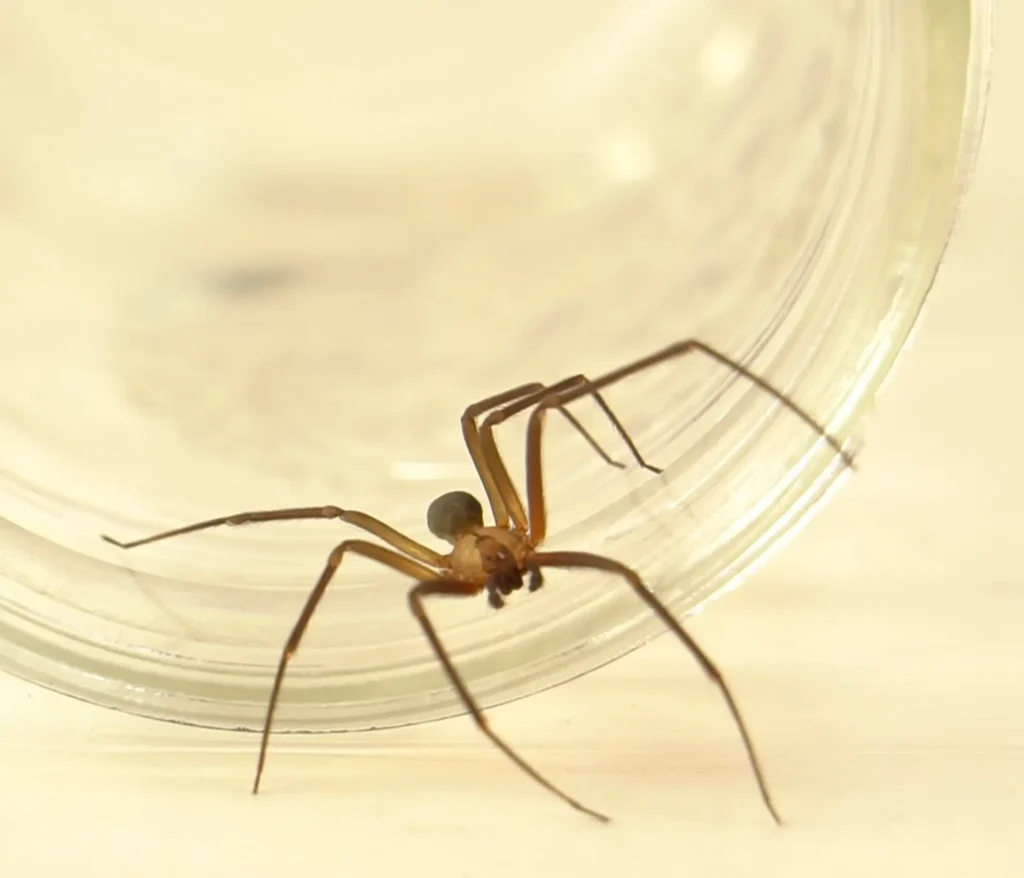
Spiders are also venturing indoors because that’s where their prey is headed. As other bugs move into homes seeking shelter from cooler temperatures, spiders follow. That spider in the corner of your shower might actually be keeping your bathroom free of flies, mosquitoes, roaches, earwigs, and beetles.
However, as good of pest control as spiders can be, you definitely don’t want an infestation. Common Tennessee spiders like orb weavers, house spiders, and wolf spiders aren’t dangerous to humans, but large numbers can cause anxiety and webs in and around the house are a nuisance.
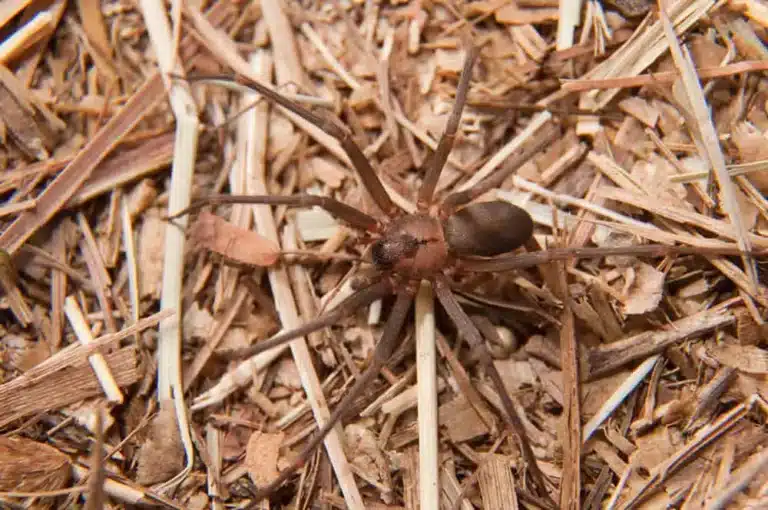
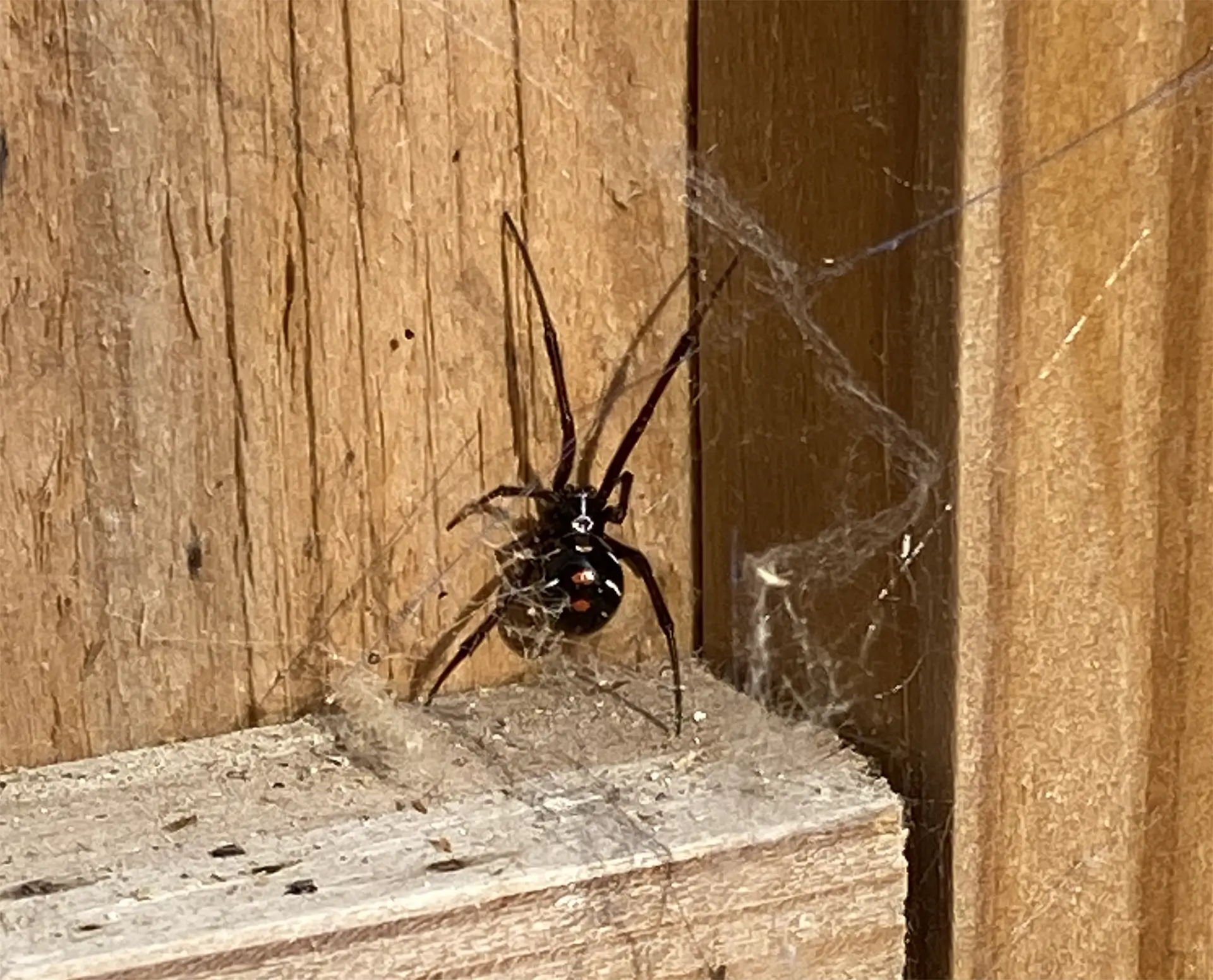
Some spiders, like Brown Recluse and Black Widows, pose serious health risks. Brown Recluse bites can cause tissue damage, and in some cases fever, chills, nausea, and body aches if the bite becomes infected. The bites are especially dangerous to children and immune-compromised individuals. Black Widow bites are even more serious, causing severe, body-wide muscle pain and cramping, nausea, vomiting, headache, and fever. In some cases, people may have trouble breathing. Deaths from these spider bites are rare, but if you are bitten it is important to seek medical attention immediately.
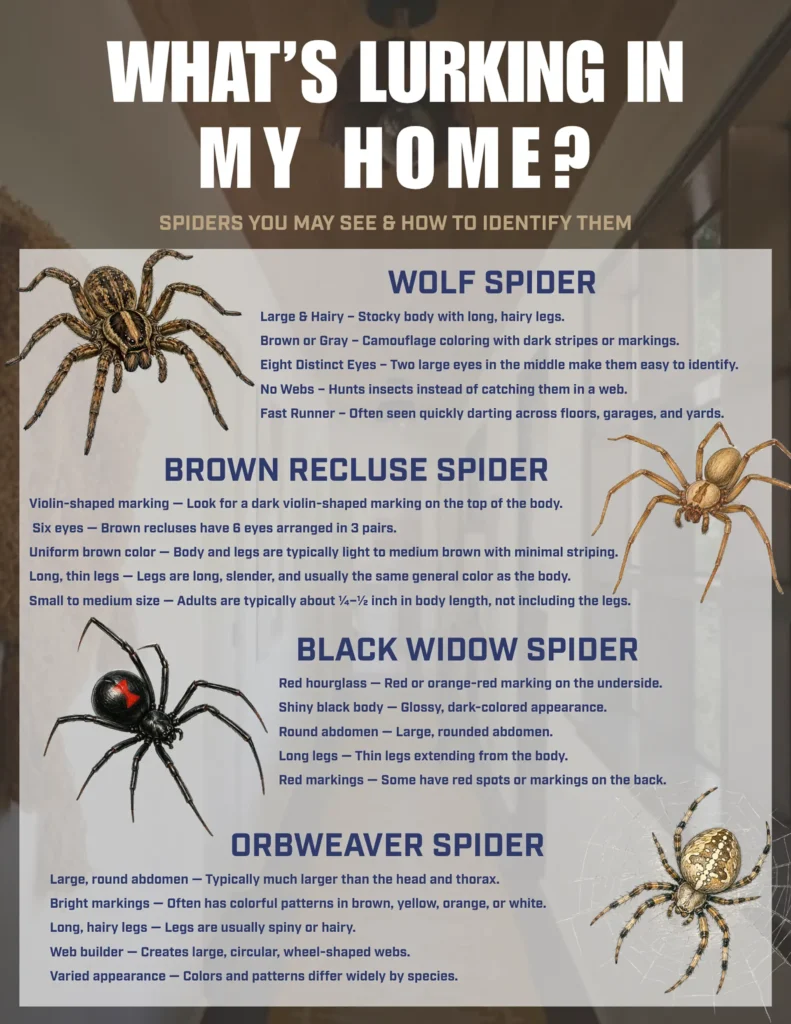
As stated above, spiders go where their prey goes. One way to prepare your home is to make sure other pests are taken care of. Seal doors and windows, keep spaces clean, and turn off outdoor lights when not in use. This will help reduce insect activity around your home, and therefore reduce spider activity. However, no DIY treatment is foolproof, so it’s important to have regular pest control as well to keep things under control and make sure any infestations are properly taken care of.
The U.S. Pest Difference
Here at U.S. Pest, we treat for pests all year round to ensure your home is consistently protected. We spider mop at every stop to get rid of those stubborn webs or nests you can’t reach, and we offer free inspections, so if you notice something — call us! We’ll come take a look and get you on track to being pest-free. Don’t wait to protect your home from these fall invaders. Call us today at 615.590.1260 or schedule on uspest.com.
FAQs
I saw a mouse — do I have an infestation?
If you see a mouse or rat in your home, yes — this likely means you have an infestation. Rodents like to stay hidden, so if you are seeing them out and about that usually means there is a large population in one area, and they are in search of extra food and shelter. Other signs of an infestation include droppings, scratch or gnaw marks on baseboards and furniture, and strange noises in your walls.
How do I know if a spider bite is dangerous?
Medically significant spider bites in Tennessee include Brown Recluse and Black Widow bites. A Brown Recluse bite may start out painless but can develop into a painful, blistering or potentially open ulcer within days. The bite area looks red with a bulls-eye center at first, growing itchy and darker or scabbing over the next days and weeks.
A Black Widow bite will feel like a sharp pinprick and may leave two fang marks behind. You will feel dull aching or severe muscle cramping in your back, abdomen, or chest within 30 to 60 minutes of the bite.
If you suspect you have been bitten by either of these spiders, seek medical attention right away.
Why are there so many spiders in my house?
Fall is mating season for spiders, so they are leaving their webs more frequently to search for partners and food. As the weather gets cooler, other insects move inside searching for warmth. Spiders prey on these insects and naturally follow them, leading to them building webs in and around homes.