
Rocky Mountain Spotted Fever & Ehrlichiosis: The Tick Diseases Tennessee Actually Sees

Just ask around Middle Tennessee and you will hear some version of: “there’s no Lyme in Tennessee” delivered as settled fact. It is a half-truth, and a dangerous one — not because Lyme is common here, but because it leaves people believing tick bites in Tennessee are of less concern.
They are not. Tennessee consistently ranks among the highest states in the country for spotted fever rickettsiosis. While different from the Northeast’s, our tick-disease picture is still high-risk and the illnesses we do see can move fast.
Rocky Mountain Spotted Fever
Despite the name, the Rocky Mountain West is not where most cases occur. The South Central and Southeastern states carry the bulk of the national burden.
The disease is caused by a bacterium carried primarily by the American dog tick. Untreated, it is among the most severe tick-borne illnesses in the United States. Treated early, outcomes are generally good. That gap between early and late is the entire story of this illness.
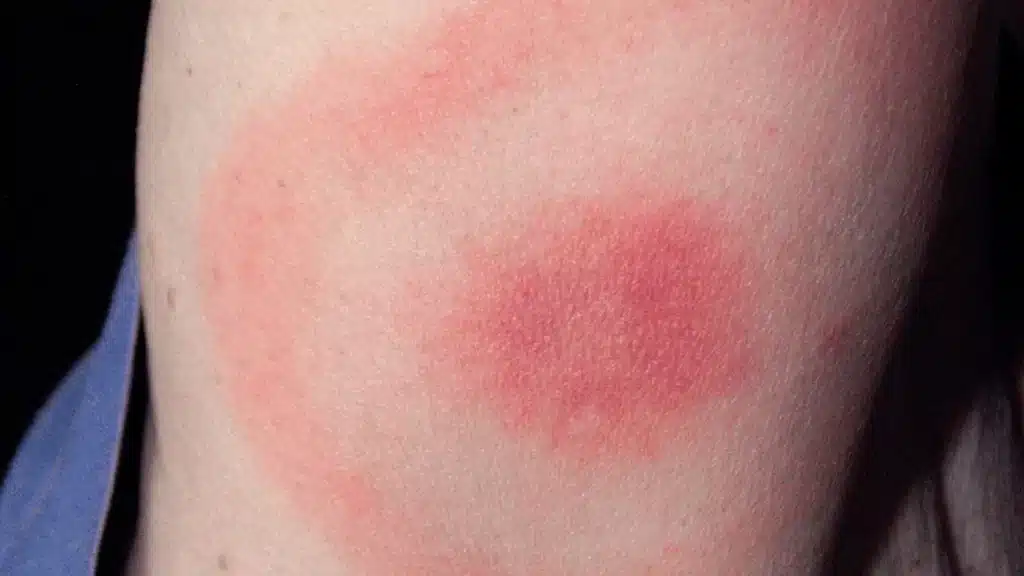
What it typically looks like: sudden fever, severe headache, muscle aches, nausea, and extreme fatigue, usually beginning two to fourteen days after a bite. A rash often appears a few days after the fever begins, usually starting on the wrists and ankles and spreading inward, and it can involve the palms and soles.
The critical point: the rash is not reliable. A meaningful share of patients never develop one or develop it late. Waiting for a rash to appear before seeking care is a mistake that could be costly. Physicians are advised to treat on clinical suspicion rather than waiting for test confirmation, because laboratory results often lag behind the treatment timeline.
Ehrlichiosis
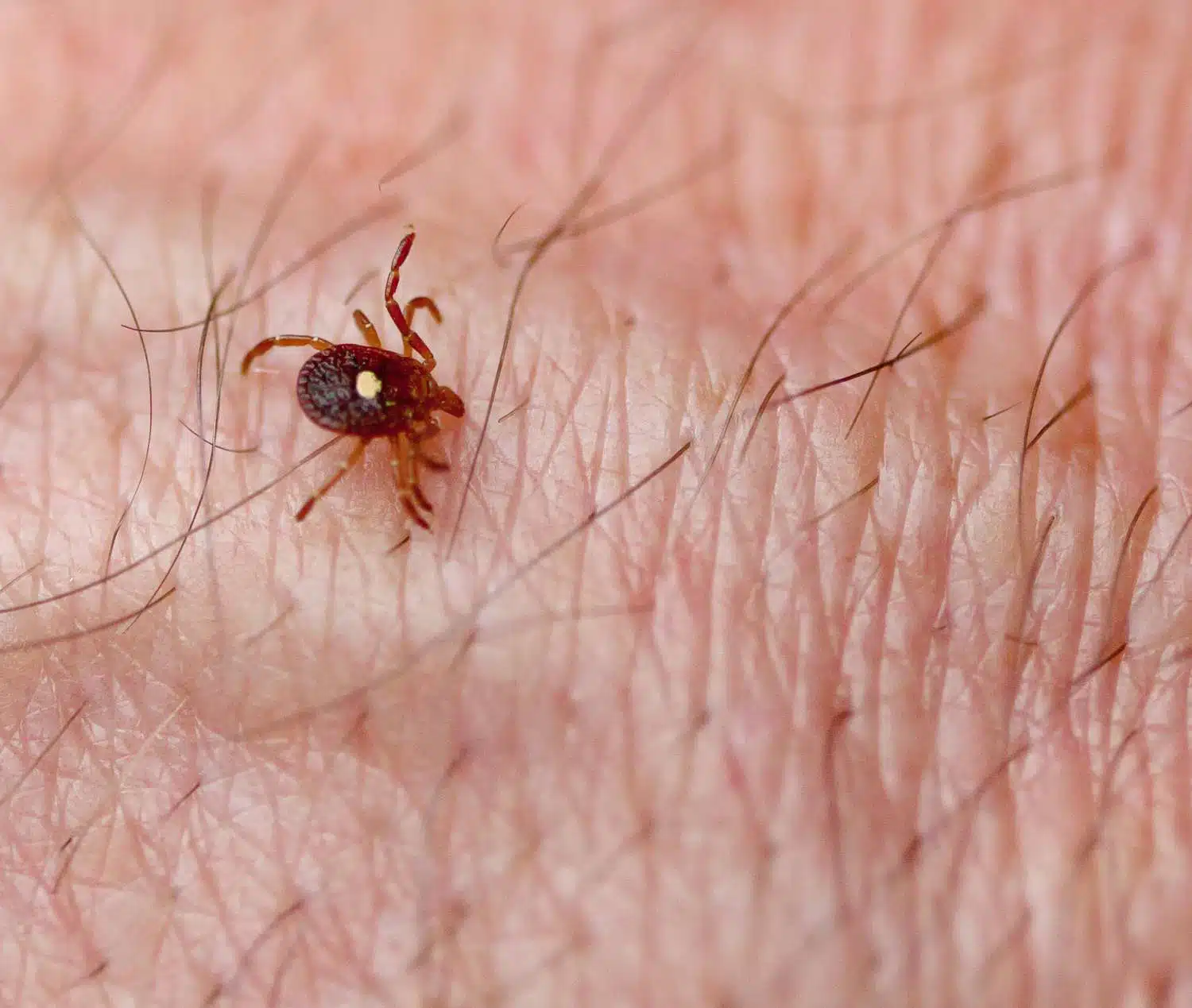
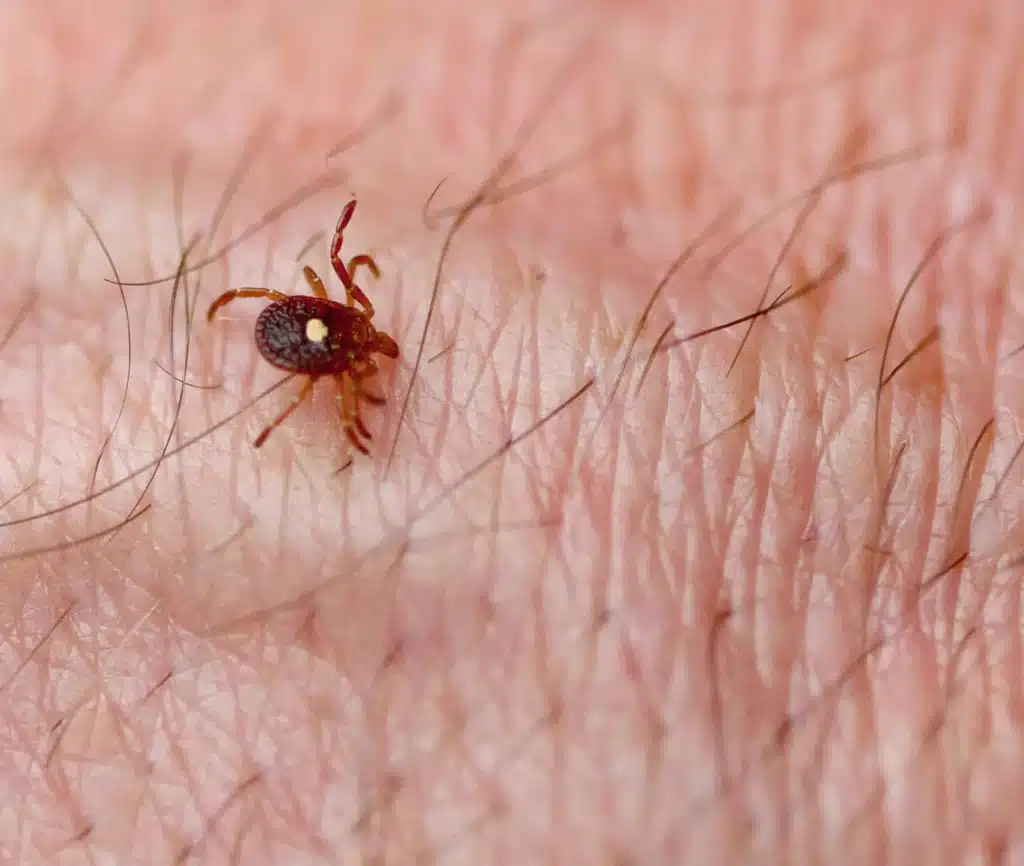
Ehrlichiosis is transmitted by the lone star tick. Given how common that tick is here, it is a Middle Tennessee illness through and through.
Symptoms overlap heavily with spotted fever — fever, headache, muscle aches, chills, fatigue, sometimes nausea — but adults frequently have no rash at all, which is why it is often mistaken for a summer virus.
Like spotted fever, it responds well to prompt treatment and can become serious when missed in the early stages. Anaplasmosis is a closely related illness with a similar presentation, carried by the blacklegged tick.
The Lyme Question, Answered Honestly
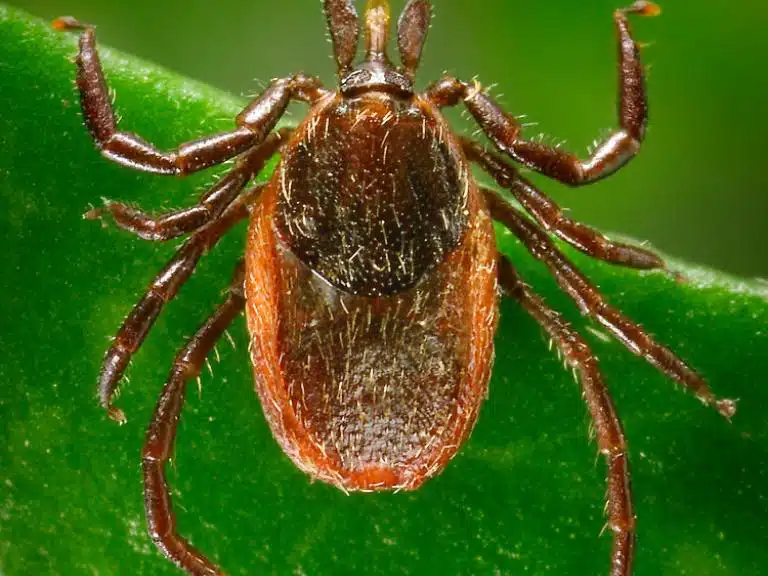
Confirmed, locally acquired Lyme disease is genuinely uncommon in Tennessee. Reported case counts here are a small fraction of what states in the Northeast and upper Midwest report, and a considerable portion of Tennessee cases are associated with travel. The blacklegged tick that carries Lyme is present in the state, but the ecological conditions that drive high infection rates in ticks are less common here than further north.
What is also true: “uncommon” is not “impossible.” People travel. Tick distributions shift. And there is a separate condition called Southern tick-associated rash illness, or STARI, linked to the lone star tick, which produces a circular expanding rash that looks very much like the classic Lyme rash. The resemblance is a major source of the local confusion in both directions.
So, here is the honest summary: do not assume a Tennessee tick bite means Lyme. But also do not assume a Tennessee tick bite is nothing. Watch for symptoms and describe the exposure accurately to a physician.
Other Diseases Worth Knowing About
- Tularemia — carried by both lone star and American dog ticks; uncommon but present.
- Heartland virus — a viral illness associated with the lone star tick. Rare, but first identified in this region.
- Alpha-gal syndrome — not an infection, but a lasting allergy to red meat and other mammal products triggered by lone star tick bites.
- Babesiosis and anaplasmosis — associated with the blacklegged tick. Less common here.
When to Call a Doctor
The practical rule after any tick bite: watch for two to fourteen days.
Call a physician promptly if any of the following develop — fever or chills, severe headache, a rash anywhere on the body, unusual fatigue or body aches, or a spreading area of redness at the bite site.
Tell them three things: that you had a tick bite, roughly when, and which tick if you know. Do not wait for a rash. Do not wait to see if it passes on its own. Recovery rates from these illnesses are highest when treatment starts early.

Where Property Treatment Fits
Every illness listed starts the same way: a tick attached to a person. Fewer ticks in the places where people walk, work, and play means fewer opportunities for that to happen.
Our tick programs run twelve months a year so that every life stage is treated during the window it is present, and we apply with outside rigs rather than foggers so material reaches the leaf litter, woodline, and harborage where ticks actually sit rather than drifting on the air.
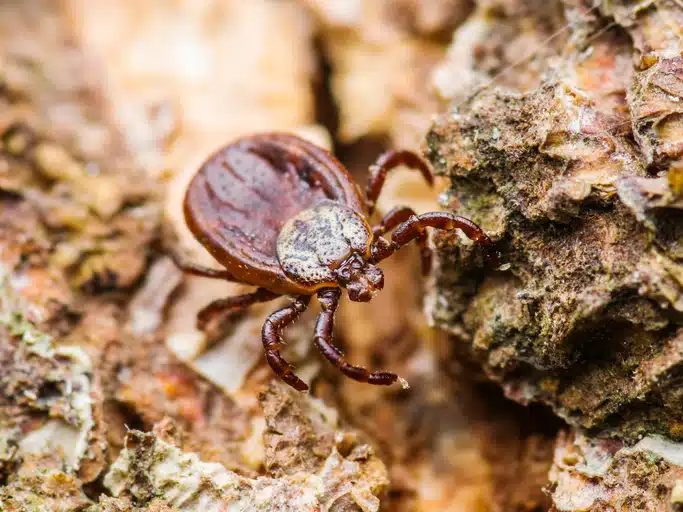
That is the entire role of pest control here: prevention, not medicine. We reduce the population on your property. We do not treat illness, and nothing on this page should be taken as medical advice. The information on these diseases is not meant to cause fear. We simply want to share our own experience and help Tennessee residents understand what tick bites can cause and how they can prepare themselves and their homes.
Schedule a free inspection or call us at 615.590.1260 to start reducing tick exposure on your property today.
FAQs
How long before symptoms appear?
Generally two to fourteen days after the bite for the illnesses most common here.
Do most tick bites make you sick?
No — the large majority transmit nothing. Awareness is the goal, not alarm.
Should I have the tick tested?
Commercial tick testing exists but is generally not recommended as a basis for treatment decisions. A negative result can be falsely reassuring. Talk to a physician about symptoms instead.
Is there really no Lyme in Tennessee?
Locally acquired Lyme is uncommon here, but “uncommon” is not “none.” See the section above.
Pest control is prevention, not medicine. We reduce the tick population on your property. We do not treat illness, and nothing on this page should be taken as direct medical advice. If you have been bitten by a tick or are experiencing symptoms you believe may be related to a tick bite, contact your physician or seek medical care. Do not delay medical care based on anything you read here.