
Why Didn’t We Worry About Bed Bugs in Nashville Back in the ’80s?

Ask anyone who grew up around Nashville in the 1980s about bed bugs, and you’ll probably get a blank look. Most people knew the bedtime rhyme, “don’t let the bedbugs bite,” but few had ever seen one. Today, bed bugs in Nashville are a real concern for travelers, renters, homeowners, and hotels. They’re the next chapter in our series on pests that weren’t a big deal when many of us were growing up, after stink bugs, Asian lady beetles, and kudzu bugs.
Bed bugs were here, then almost disappeared
Bed bugs are nothing new. They were common in the United States before World War II, until widespread use of synthetic insecticides like DDT greatly reduced their numbers (Ohio State University Extension). After DDT was introduced in the mid-1940s, bed bug numbers declined rapidly by the late 1950s (peer-reviewed study via the National Science Foundation).
That’s why bed bugs weren’t a big deal in Nashville in the 1980s. Several decades after that decline, most people had simply never encountered one, and bed bugs weren’t something most households or pest control companies worried about.
Then they came back
In the United States, the resurgence began in the late 1990s, and by 2006 bed bug infestations had been reported in all 50 states (National Science Foundation). Researchers point to a combination of reasons:
- More travel. International travel and commerce help spread these hitchhikers, since their eggs, young, and adults ride along in luggage, clothing, bedding, and furniture. They can even infest airplanes, ships, trains, and buses (Ohio State University Extension).
- Secondhand furniture and less awareness. The frequent exchange of secondhand furniture, ineffective pest control, and limited knowledge of what bed bugs look like have all contributed (National Science Foundation).
- Insecticide resistance. Resistance is one of the biggest contributors. Pyrethroids were once one of the best defenses against bed bugs, but overuse and misuse led to highly resistant strains (Ohio State University Extension).
- A head start from history. Many of the genetic changes that helped bed bugs survive DDT also help them survive pyrethroids, so modern populations were primed to develop resistance quickly (UC Berkeley).
By 2010, the problem was big enough that the CDC and the EPA issued a joint statement on bed bug control, promoting an integrated approach that combines heat treatment, vacuuming, non-chemical methods, and careful use of insecticides (Environmental Health Perspectives). The EPA, CDC, and USDA all consider bed bugs a public health pest, although there’s no evidence they spread disease to people (Ohio State University Extension).
Why bed bugs in Nashville are worth watching
Nashville is exactly the kind of place bed bugs thrive: a city full of travelers. Music City welcomed about 16.9 million visitors in 2024 (MLB Music City, citing Nashville Convention & Visitors Corp.), and Davidson County visitors spent a record $11.2 billion that year (Nashville Convention & Visitors Corp.). Every one of those trips involves suitcases, hotel rooms, and rides, and bed bugs don’t need much more than that to hitch a ride home.
Add in the steady stream of new residents moving to Middle Tennessee, plus apartments, college housing, and secondhand furniture, and it’s easy to see why bed bugs show up in nice homes and neighborhoods all over the area. Having bed bugs has nothing to do with how clean your home is.
How to keep bed bugs from coming home with you
- Check hotel rooms first. Before unpacking, look along mattress seams, the headboard, and the bed frame. Here’s how to check for bed bugs.
- Keep luggage off the bed and floor. Use the luggage rack, and keep suitcases zipped.
- Unpack carefully at home. Wash and dry travel clothes on high heat, and inspect your suitcase before storing it.
- Be careful with secondhand furniture. Inspect used mattresses, couches, and upholstered pieces closely before bringing them inside.
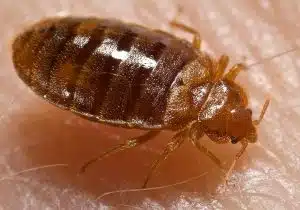
- Know what to look for. Learn how to identify bed bugs, including the small rust-colored spots they leave behind.
How U.S. Pest helps
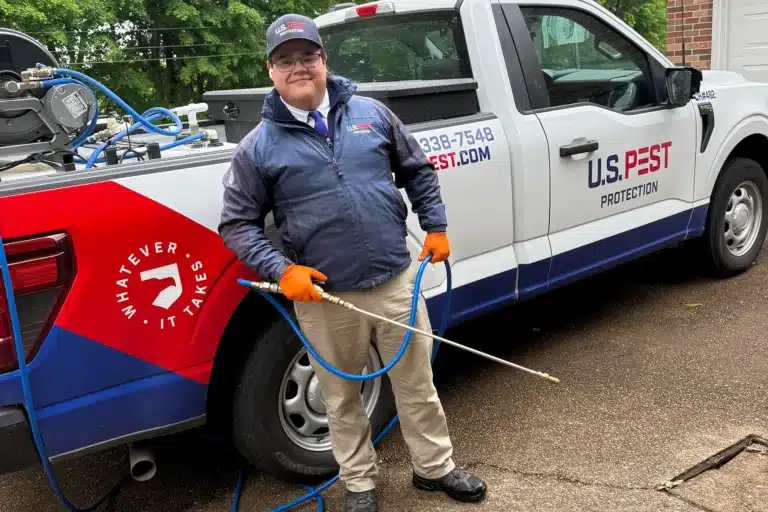
Because bed bugs resist many store-bought products, they’re one of the hardest pests to get rid of on your own. Our bed bug service starts with a thorough inspection to confirm what you’re dealing with and how far it has spread, followed by a treatment plan built for your home. Call 615-590-1260 or schedule a free inspection.
Serving your area: Nashville · Hendersonville · Franklin · More Middle Tennessee pest news
FAQs
Were there bed bugs in Nashville in the 1980s?
Bed bugs existed, but they were rare. Widespread use of DDT after World War II caused bed bug numbers to decline sharply by the late 1950s, so most people in the 1980s had never seen one.
Why did bed bugs come back?
The U.S. resurgence began in the late 1990s, driven by increased travel, secondhand furniture, ineffective pest control, and bed bugs’ growing resistance to common insecticides. By 2006, infestations had been reported in all 50 states.
Are bed bugs a problem in Nashville?
Nashville sees millions of visitors every year, and bed bugs travel easily in luggage, clothing, and furniture. That makes hotels, apartments, and homes across the area vulnerable.
Do bed bugs spread disease?
The EPA, CDC, and USDA consider bed bugs a public health pest, but there’s no evidence that they transmit diseases to people. Their bites can be itchy and the stress of an infestation is real.
Can I get rid of bed bugs myself?
It’s difficult. Many bed bug populations are resistant to common insecticides, and they hide in tiny cracks and seams. A professional inspection and treatment plan is the most reliable way to eliminate them.