Field Report: The “Mouse Droppings” on a Franklin Porch Came From a Lizard

Field Reports are real jobs from our technicians, written up so neighbors can learn from what we’re finding. We never share addresses.
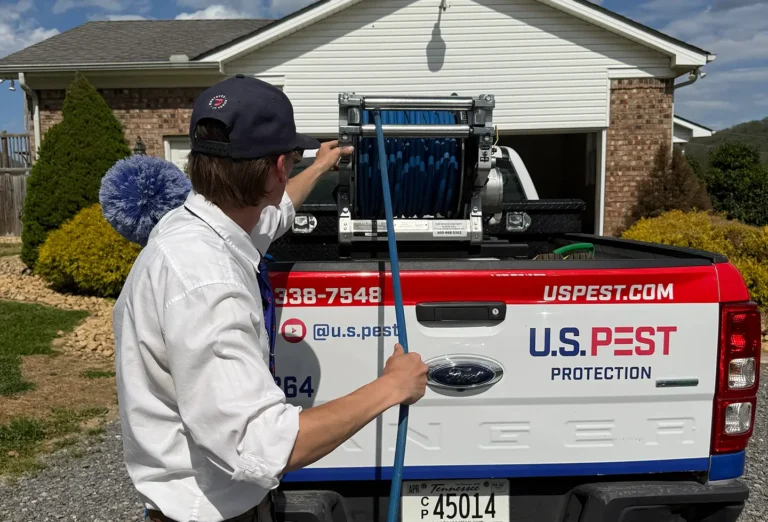
One of our customers in Franklin stepped outside and spotted a scattering of small, dark droppings on the front porch. They looked a lot like mouse droppings, and with cooler weather on the way, the homeowner was worried mice were moving in. They called our office, and our Pest Pro Jimmy went out to take a look.
What Jimmy found: not a mouse in sight
Jimmy brings 10 years of experience to the job, including his degree in environmental science. He started where every good rodent inspection starts, with the droppings themselves. They were about the size of mouse droppings, but up close a few things didn’t add up. Several had a small white tip on one end, something mouse droppings never have. To be sure, he put on gloves, cut one open, and found it full of tiny pieces of insects.
That confirmed it. A white tip plus droppings packed with crumbly insect parts are the classic signs of a lizard, a natural bug hunter that patrols Tennessee yards. The visitor on this porch was a lizard, not a mouse, and the homeowner could breathe easy.
Why lizards are hanging around porches right now
September 2026 was the driest September on record in Nashville, and Franklin was nearly as dry. During this dry stretch, our Pest Pros have been seeing more lizards around porches, patios, and foundations. Like ants and other pests in a drought, they’re looking for water, and the insects they eat tend to gather in the same spots: watered flower beds, dripping spigots, AC drain lines, and porch lights that draw bugs at night.
The lizard you’re most likely to meet is the common five-lined skink, which the Tennessee Wildlife Resources Agency calls probably the most common lizard in the state. Young skinks have bold stripes and a bright blue tail. The Eastern fence lizard, a gray-brown lizard with rough, spiny scales, is also common statewide and likes fences, stumps, and firewood piles. Both feed mainly on insects and spiders.

Lizard, mouse, or rat? How to read the droppings
Droppings are one of the quickest ways to figure out what’s visiting your home. Here’s what our Pest Pros look for:
| Animal | Typical size | What to look for |
|---|---|---|
| Lizard | Varies with the size of the lizard; often close to mouse size | A pellet with a small, firm white cap on one end, and a crumbly texture from undigested insect parts |
| House mouse | 1/8 to 1/4 inch long | Small, smooth, and rod-shaped, with pointed or rounded ends and no white tip |
| Roof rat | About 1/2 inch long | Larger and more spindle-shaped than a mouse dropping |
| Norway rat | 3/4 to 1 inch long | Large, thick, and capsule-shaped, with blunt ends |
That white cap on a lizard dropping is crystallized uric acid. Lizards get rid of solid and liquid waste together, so the two end up in one dropping. Mice and rats don’t leave that white tip.


Don’t touch them with bare hands
Whatever animal left them, treat droppings with care. Rodent droppings can carry diseases such as hantavirus, and the CDC notes that reptiles, lizards included, often carry Salmonella even when they look healthy. Sweeping or vacuuming droppings can stir germs into the air, so the CDC recommends a wet cleanup instead:
- Put on rubber or plastic gloves.
- Spray the droppings with a bleach solution (1 part bleach to 9 parts water) or a household disinfectant until they’re soaked, and let it sit for 5 minutes.
- Wipe everything up with paper towels and throw them away.
- Wash your gloved hands, take off the gloves, then wash your hands again with soap and water.
Jimmy cut that dropping open with gloves on for a reason. If you’re not sure what you’re looking at, let us take a look instead.
One thing to check this week
If you find droppings around your home, snap a photo with a coin next to them before you clean up. A dime is just under 3/4 inch across, which makes it easy to judge size, and size alone often tells you whether you’re dealing with a lizard, a mouse, or a rat. Then check where the droppings are. A few on a sunny porch or windowsill usually point to a lizard. Droppings in a pantry, under the sink, in the attic, or along a garage wall deserve a closer look for mice.
How U.S. Pest helps
Lizards are harmless and help keep insects in check, but seeing lots of them can mean there are plenty of bugs around your home to feed on. Our monthly, every other month, and quarterly plans protect the outside of your home against the insects and spiders that draw them in. If droppings turn out to be mice or rats, our rodent control service finds how they’re getting in, and our Pest Pros seal the entry points. Everything we do is backed by our Whatever It Takes Guarantee.
Want to learn more about rodents? Our mice vs. rats guide and house mouse ID guide walk through the other signs to watch for.
Found droppings and not sure what left them? Call 615-590-1260 or schedule a free inspection.
Serving your area: Franklin · More Middle Tennessee pest news
FAQs
How can I tell lizard droppings from mouse droppings?
Look for a small white tip. Lizard droppings usually have a firm white cap of uric acid on one end and often contain bits of insects. Mouse droppings are smooth, 1/8 to 1/4 inch long, and have no white tip.
Are lizards dangerous to have around my house?
The lizards common in Middle Tennessee, like five-lined skinks and Eastern fence lizards, are harmless to people and eat insects and spiders. Reptiles can carry Salmonella, so wash your hands after touching a lizard or anything it has been on.
Why am I seeing more lizards this fall?
After a very dry September, our Pest Pros have been seeing more lizards around porches, patios, and foundations, where they find water and the insects they feed on.
How should I clean up droppings safely?
Wear gloves, spray the droppings with a bleach solution or disinfectant, let them soak for 5 minutes, wipe them up with paper towels, and wash your hands afterward. Don’t sweep or vacuum them, which can stir germs into the air.
What should I do if I think I have mice?
Call us at 615-590-1260 or schedule a free inspection. Our Pest Pros will confirm what’s there, find how it’s getting in, and recommend the right plan.
Sources: PCT Magazine (lizard droppings); Cornell Integrated Pest Management (mouse and rat droppings); Tennessee Wildlife Resources Agency (five-lined skink, Eastern fence lizard); CDC (hantavirus prevention, reptiles and Salmonella); WSMV (Middle Tennessee drought).