
Tennessee Is Now Tracking Alpha-Gal. Here’s What the First Numbers Say.

For the first time, Tennessee has real numbers on alpha-gal syndrome, the tick-bite allergy to red meat. And the numbers are bigger than a lot of people expected.
FOX 17 News reported this week that more than 627 cases of alpha-gal syndrome have been reported in Tennessee since July 1, 2025, the day the state began requiring doctors to report it. That works out to more than one new Tennessean a day. You can read the FOX 17 report here.
At our house, this isn’t a headline. It’s personal. This past summer a tick put my husband, J.K., in the emergency room twice. His diagnosis turned out to be ehrlichiosis, not alpha-gal, but the tick behind both illnesses is the same one we find in Middle Tennessee yards every season: the lone star tick.
What changed: alpha-gal is now a reportable condition
In 2025, the Tennessee General Assembly passed House Bill 383 / Senate Bill 744 (now Public Chapter 56), sponsored by Rep. Butler and Sen. Yager. It passed both chambers without a single vote against it. The law required the Tennessee Department of Health (TDH) to add alpha-gal syndrome to the state’s list of reportable diseases by July 1, 2025.
Here’s what that looks like in practice:
- Since July 1, 2025, Tennessee health care providers have been required to report alpha-gal cases to TDH (TDH Reportable Diseases).
- Alpha-gal syndrome now appears on the 2026 Tennessee List of Reportable Diseases for Healthcare Providers, effective January 1, 2026, in the "report within 1 week" category.
- TDH Commissioner Dr. John Dunn named alpha-gal alongside Rocky Mountain spotted fever, ehrlichiosis and Lyme disease as common tick-borne illnesses in Tennessee in the department’s April 2026 tick safety announcement.
Why tracking matters
Until now, nobody had a solid count. Alpha-gal is not nationally notifiable to the CDC, which means states decide whether to track it. According to the CDC:
- More than 110,000 suspected cases of alpha-gal syndrome were identified in the U.S. between 2010 and 2022.
- As many as 450,000 people in the U.S. may be affected.
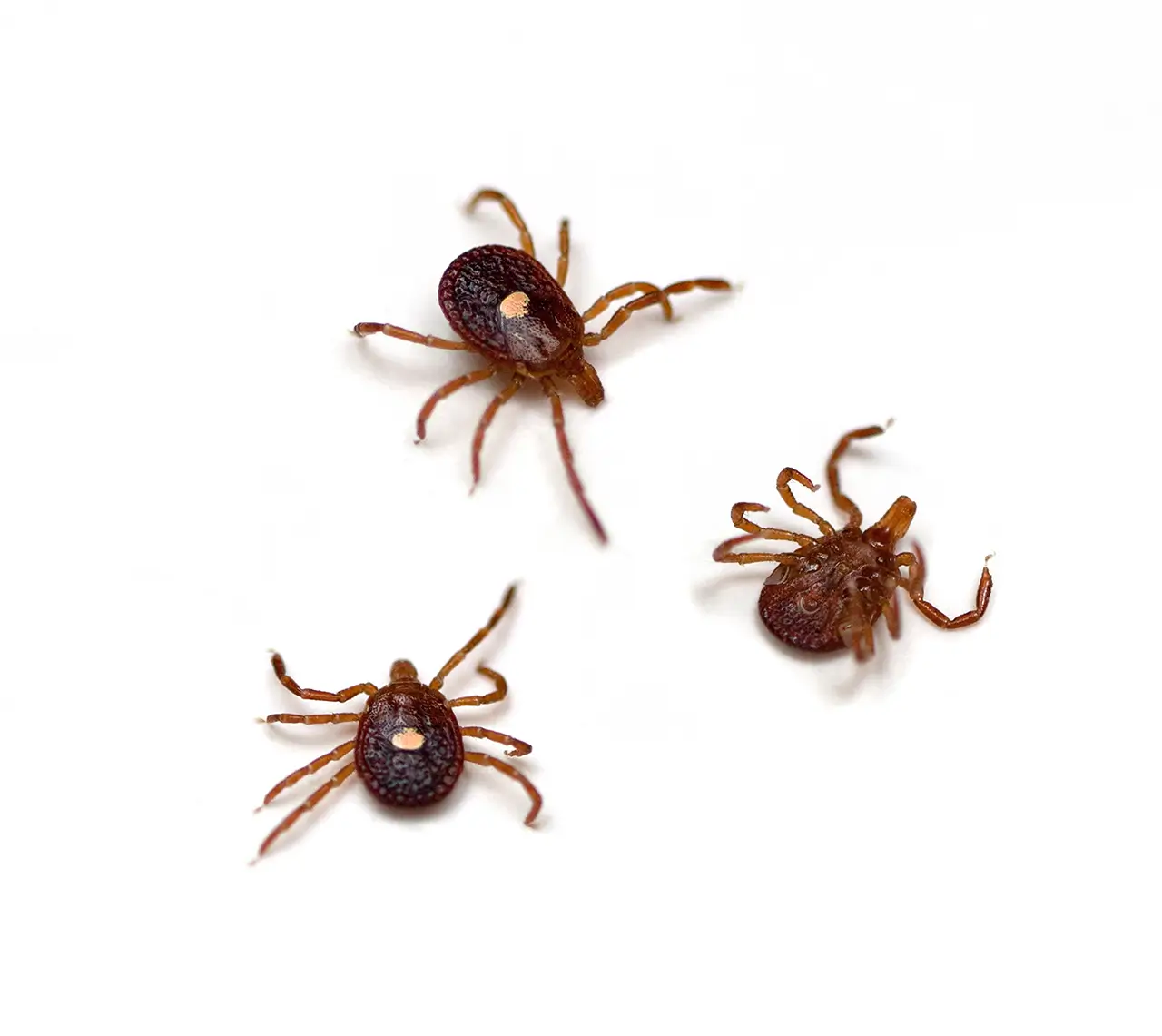
- In the U.S., alpha-gal is primarily associated with the bite of a lone star tick, and most cases are reported in Southern, Eastern and Central states. That includes us.
State-level data helps doctors recognize alpha-gal sooner, and it shows families where the risk is real. A reaction that hits hours after a hamburger is easy to miss if nobody is connecting it to a tick bite weeks earlier.
What alpha-gal is, in plain words
Alpha-gal is a sugar found in most mammals, but not in people, poultry or fish. A lone star tick bite can introduce it into your bloodstream, and your immune system may start treating it as a threat. After that, eating beef, pork, lamb, venison or other mammal products can trigger a reaction. Reactions usually show up three to six hours after eating, which is why so many people don’t connect the dots.
Symptoms can include hives or itching, swelling, stomach pain, nausea or vomiting, shortness of breath and, in severe cases, anaphylaxis. The CDC keeps a list of foods and products that may contain alpha-gal, including gelatin and some medical products.
We covered the basics, including how diagnosis works, in our earlier post: Alpha-Gal in Tennessee: The Tick Bite That Can Make You Allergic to Red Meat.
The part that gave us hope
In the FOX 17 report, Vanderbilt University Medical Center allergist and alpha-gal researcher Dr. Cosby Stone said that about half of his patients seem to grow out of alpha-gal if they don’t get any more tick bites.
Read that last part again. Preventing the next bite matters, even for people who already have alpha-gal. That’s where prevention, at your back door and in your yard, really counts.
Our family’s tick story
We’ve shared J.K.’s story because we think it helps. Here’s the short version, with links if you want the whole thing:
- A Tick Put My Husband in the Emergency Room Twice: a tick bite after walking farmland, then fever, headache and a rash.
- The ER Found Nothing. Two Days Later He Was Back: why going back matters when symptoms get worse.
- The Diagnosis Was Ehrlichiosis: Tennessee’s Most Reported Tick Illness: what the lab finally confirmed.
- What We Changed in Our Own Yard After a Tick Put J.K. in the ER: the yard changes we made at home.
And if you’ve wondered why ticks feel so much worse than when we were kids, we dug into that too: Why Didn’t We See So Many Ticks in Tennessee Back in the ’80s?
Ticks don’t take the winter off
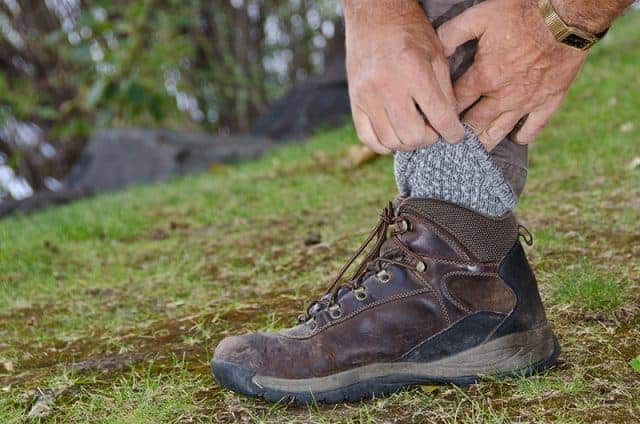
The CDC says ticks are most active April through September, but tick exposure can happen year-round. Fall is hunting season, and hunters, hikers, farmers and anyone working outdoors are still in tick country. Here’s what the CDC and TDH recommend:
- Treat boots, clothing and gear with 0.5% permethrin. TDH notes self-applied permethrin generally lasts about six washings or six weeks.
- Use an EPA-registered repellent with DEET, picaridin, IR3535, oil of lemon eucalyptus (OLE), PMD or 2-undecanone.
- Shower within two hours of coming inside and do a full-body tick check, including on kids and pets.
- Tumble-dry outdoor clothes on high heat for 10 minutes to kill ticks you can’t see.
- Make your yard less friendly to ticks: clear leaf litter, cut back tall grass and brush, mow often, and put a 3-foot strip of wood chips or gravel between your lawn and the woods.
Not sure where ticks hide in your yard? Start with The 6 Spots in Your Yard Where Ticks Are Living Right Now. Not sure what kind of tick you found? Use our Tennessee Tick ID Guide. Already found one? Here’s what to do next.
When to call your doctor
If you get hives, stomach trouble or swelling a few hours after eating red meat, and especially if you’ve had a tick bite, talk with your doctor or an allergist. A blood test for alpha-gal antibodies, along with your history, helps confirm a diagnosis. If you have trouble breathing or swelling in your face or throat, call 911.
Watch: Tick Talk, the Aftermath of a Tick-Borne Illness
We sat down with Brian Carrico, MD, of St. Thomas Hospital to talk about alpha-gal and the other tick-borne illnesses we see in Tennessee. Dr. Carrico’s message is hopeful but honest: most people recover from tick-borne illnesses in time, but there is no treatment that cures alpha-gal. That’s why avoiding the foods that trigger it, and avoiding more tick bites, matters so much. Watch the full interview on our YouTube channel: Tick Talk: Aftermath of a Tick Borne Illness.
How U.S. Pest can help
We can’t treat alpha-gal. That’s your doctor’s job. What we can do is cut down the number of ticks waiting in the places your family actually spends time. Our tick control service focuses on the shady, brushy edges, leaf litter and pet areas where ticks wait, and our Pest Pros will walk the yard with you and show you what they find. Our tick program runs year-round.
Call 615.590.1260 or schedule a free inspection. Your Whatever It Takes Guarantee comes with every pest control plan.
Serving your area: Nashville · Hendersonville · Franklin · More Middle Tennessee pest news
FAQs
Is alpha-gal syndrome reportable in Tennessee?
Yes. Since July 1, 2025, Tennessee health care providers have been required to report alpha-gal syndrome to the Tennessee Department of Health. It appears on the state’s 2026 list of reportable diseases in the report-within-1-week category.
How many alpha-gal cases has Tennessee reported?
FOX 17 News reported in November 2026 that more than 627 cases of alpha-gal syndrome have been reported in Tennessee since July 1, 2025, when the state began requiring reports.
What tick causes alpha-gal syndrome in Tennessee?
According to the CDC, alpha-gal syndrome in the United States is primarily associated with the bite of a lone star tick, the same tick linked to ehrlichiosis.
Is there a cure for alpha-gal syndrome?
There is no treatment that cures alpha-gal syndrome. People manage it by avoiding the foods and products that trigger reactions and by avoiding more tick bites. Talk with your doctor or an allergist about diagnosis and an emergency plan.
How can I lower my family’s risk of tick bites?
Treat clothing and gear with 0.5% permethrin, use an EPA-registered repellent, shower and do a tick check within two hours of coming inside, tumble-dry outdoor clothes on high heat for 10 minutes, and keep your yard trimmed with leaf litter and brush cleared.
Sources
- FOX 17 News (via WCYB): "Mysterious tick disease affecting a new Tennessean every day," Nov. 9, 2026
- Tennessee Department of Health: Reportable Diseases
- Tennessee Department of Health: 2026 List of Reportable Diseases and Conditions, Healthcare Providers
- Tennessee Department of Health: Tick precautions announcement, April 29, 2026
- Tennessee Department of Health: Tick-Bite Protection Information
- Tennessee General Assembly: SB 744 / HB 383
- CDC: Alpha-gal Syndrome
- CDC: About Alpha-gal Syndrome
- CDC: Products That May Contain Alpha-gal
- CDC: Preventing Tick Bites
- U.S. Pest Protection on YouTube: Tick Talk: Aftermath of a Tick Borne Illness
This article is for general education and isn’t medical advice. If you think you may have alpha-gal syndrome or another tick-borne illness, talk with your health care provider.