You Found a Tick — Now What? Removal, Timeline, and When to Call a Doctor

Here at U.S. Pest Protection, we are experts on tick control, removal, and safety measures. Below is a guide on what to do if you find a tick on yourself, a family member, or a pet, when to seek medical attention, and how you can protect from future bites and activity.
The Short Answer
If you are reading this with a tick attached to you right now, here is the short version:
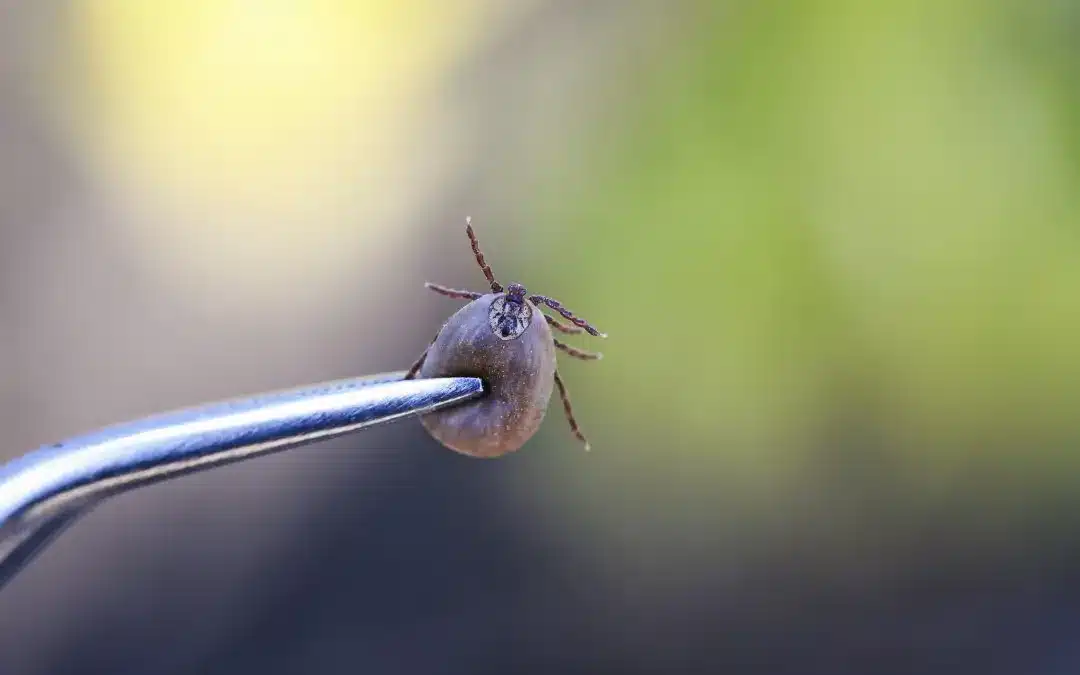
Fine-tipped tweezers, grip it as close to the skin as you can get, pull straight up with steady even pressure. No twisting, no squeezing the body. Clean the area afterward and photograph the removed tick or place it in a plastic bag.
The rest of this page explains why, what to do next, and what to watch for.
How to Remove a Tick, Step by Step

- Use fine-tipped tweezers. Not fingers, not blunt household tweezers. A tick removal tool works too.
- Grip the tick as close to the skin surface as possible — you want the mouthparts, not the body.
- Pull upward with steady, even pressure. Do not jerk, twist, or wiggle. Twisting is what breaks the mouthparts off in the skin.
- If mouthparts do break off, try to remove them with clean tweezers. If they will not come out easily, leave them and let the skin heal. Digging around does more damage than the fragment does.
- Clean the bite area and your hands with rubbing alcohol or soap and water.
- Do not crush the tick with your fingers. Dispose of it by sealing it in a bag or container, wrapping it in tape, or flushing it.
What Not to Do — The Folk Remedies
Every one of these circulates locally and every one of them is a bad idea:
- Petroleum jelly to smother. It won’t work and the delay while you wait leaves the tick attached longer.
- Nail polish, for the same reason.
- A hot match or lighter. This risks a burn and can cause the tick to regurgitate into the bite.
- Alcohol or essential oils applied first to make it back out. It won’t.
- Twisting counterclockwise. Ticks are not screwed in — twisting only makes it more likely that the mouthparts will stay stuck.
The common thread is that all of these irritate the tick while it is still attached, and an irritated tick is more likely to expel fluid into the bite.
Save It, or Photograph It
Before you dispose of it, either seal the tick in a plastic bag or take a clear, well-lit close-up photo. Write down the date.
This takes thirty seconds and can be a huge help later. If symptoms develop weeks out, being able to tell a physician, “It was a lone star tick, attached on the ninth, I pulled it off within a few hours” is far more useful than “I think I had a tick sometime last month.”
The Attachment Time Question
A lot of online information tells you ticks must be attached thirty-six to forty-eight hours to transmit disease. That figure is specific to Lyme disease and does not apply across the board.
The window varies by pathogen, and for several of the illnesses relevant in Tennessee, transmission can occur considerably faster. Some pathogens can be transmitted within hours of attachment.
The practical takeaways: remove it as soon as you find it, and don’t treat a short attachment time as a guarantee that nothing was transmitted. Keep watch for symptoms regardless.
What to Watch for, and for How Long
A small red bump at the bite site is normal and expected for a day or two. It is not a sign of infection unless accompanied with other symptoms.
Watch for two to fourteen days after the bite. Call a physician immediately if you develop fever or chills, severe headache, a rash anywhere on the body, unusual fatigue or aching, or an area of redness spreading out from the bite.

Tell them you had a tick bite, when it happened, and which tick if you know. Don’t wait for a rash before calling, as several of the illnesses we see here often present without one.
This is descriptive information, not medical advice. Any decision about testing or treatment belongs with your physician.
After the Bite — The Part Most People Skip
Once the immediate situation is handled, ask this question: where did it come from?
If someone in your household picked up a tick, it likely happened on your own property or a place you frequent. It’s worth getting those areas treated, because the same conditions that produced this tick are producing more of them. Ticks concentrate in a small number of predictable zones — shaded edges, leaf litter, tall grass, wood piles, and animal trails — and those zones can be identified and treated.
That is the work we do. Your full yard treated; the hot zones treated intensively. We apply with outside rigs rather than foggers, so the material goes exactly where it is aimed, and run across all twelve months so each stage of the tick life cycle is targeted.
Check the Rest — and Check the Dog
On people, ticks are usually found on the scalp and hairline, behind and in the ears, underarms, waistband, navel, groin, behind the knees, and between the toes. Nymphs are the size of a poppy seed, so a hands-and-mirror check is necessary, not just a glance.

Shower within two hours of coming inside. Tumble dry clothes on high heat for ten minutes to kill any ticks hitching a ride. Washing alone doesn’t reliably kill them.
Check pets thoroughly, especially around their ears, neck, and between their toes. Dogs are the most common way ticks get carried indoors.
FAQs
What if the head stayed in?
Try once with clean tweezers. If it doesn’t come free, leave it and let your skin push it out. Keep the area clean and watch for signs of infection.
Do I need antibiotics after a tick bite?
Usually not. That is a physician’s call based on the tick, the region, and how long it was attached.
Should I get the tick tested?
Generally not recommended as a basis for treatment decisions. Discuss symptoms with a physician instead.
How long can a tick stay attached?
Several days if undisturbed. This is why routine checks matter more than most people realize.
Does a bump mean I was infected?
No. A small, local reaction is normal. Fever, spreading rash, or feeling ill are symptoms that warrant a call.
If you are finding ticks on your property, we can help you identify where they are coming from and treat the areas to reduce populations at every life cycle stage. Schedule a free inspection or call us at 615.590.1260 to start protecting your home today.
This post describes pest biology and general public health information published by the Tennessee Department of Health and the Centers for Disease Control and Prevention. It is not medical advice, and it does not diagnose or treat any condition. If you are ill after a tick bite, contact a physician.