What Happens When You Get Bitten by a Brown Recluse in Tennessee

Most brown recluse bites heal on their own without serious problems, but some form a slow-healing sore, and a small number cause more serious reactions. Here’s what a bite looks like, what to do right away, when to see a doctor, and why many wounds blamed on brown recluses turn out to be something else.

How Brown Recluse Bites Happen
Brown recluses don’t chase people. They’re shy and would rather run than bite. Bites usually happen when a spider gets trapped against skin: putting on a shoe or glove that’s been sitting in a closet, pulling on clothes from the floor, or rolling over on one in bed.
What a Brown Recluse Bite Looks Like
- At first: often painless, so many people don’t realize they’ve been bitten.
- Over several hours: redness and pain can develop around the bite.
- Over the next days: some bites form a blister, then a sore that slowly worsens.
- In more serious cases: the sore can become a deep wound that takes weeks or months to heal, sometimes leaving a scar.
Most bites stay localized and heal within about three weeks. In rare cases, a bite causes a whole-body reaction, with fever, chills, or nausea, which is more common in children.
What to Do Right After a Bite
- Wash the area with soap and water.
- Apply a cold compress or ice to reduce pain and swelling.
- Elevate the area if it’s on an arm or leg.
- Capture the spider if you can do it safely, even if it’s crushed, and bring it to the doctor. It helps confirm what bit you.
- See a doctor, especially if the bite is spreading, darkening, or getting more painful, or if the person bitten is a child.
Seek emergency care right away for trouble breathing, a fever, or signs of a severe reaction.
Many “Brown Recluse Bites” Aren’t
Brown recluse bites are often blamed for wounds they didn’t cause. Skin infections, other insect bites, and a range of medical conditions can look similar, which is why entomologists recommend having the spider identified whenever possible. If no brown recluses are found around your home, the wound may have another cause, so it’s worth following up with your doctor.
How to Tell If It Was a Brown Recluse
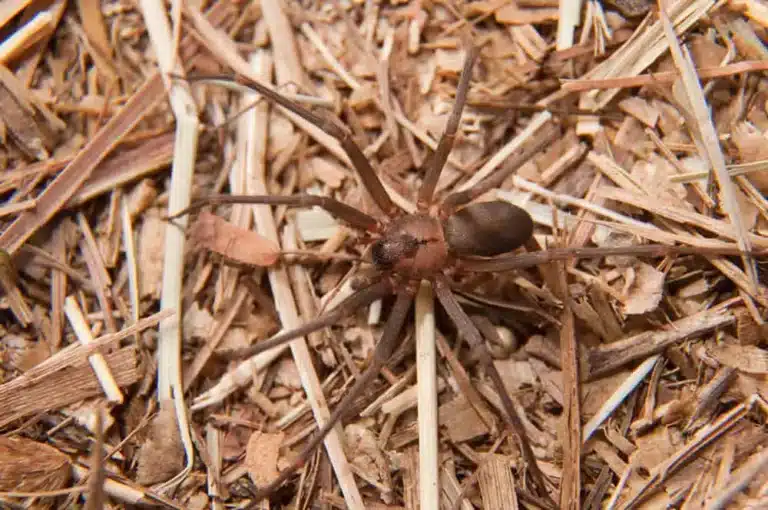
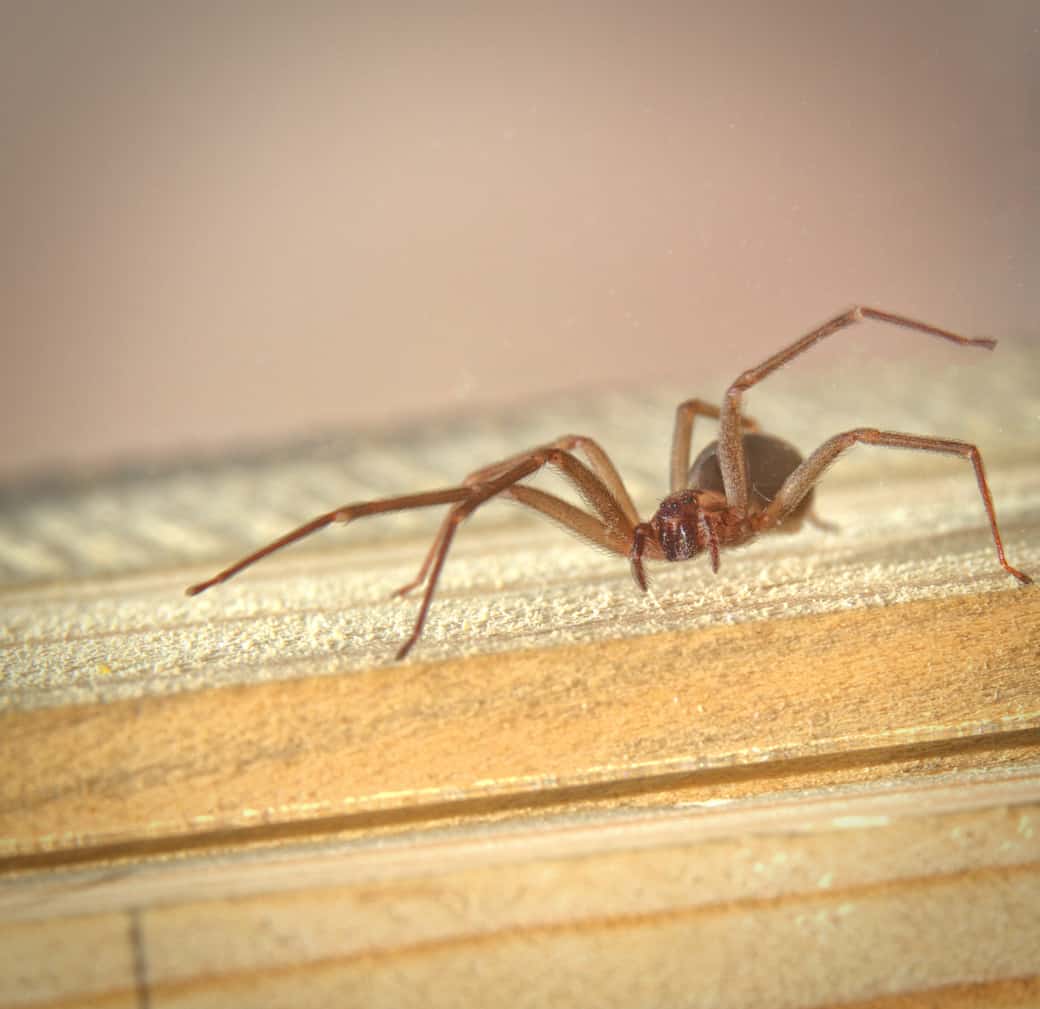
Brown recluses are tan to brown, with a dark violin-shaped mark behind the head, plain legs with no stripes or bands, and six eyes instead of the usual eight. Our brown recluse identification guide has close-up photos, and our post on where brown recluse spiders live explains where they hide.
Preventing Bites at Home
- Shake out shoes, gloves, and stored clothing before wearing them.
- Keep clothes, towels, and bags off the floor.
- Move beds away from walls and keep bedding from touching the floor.
- Wear gloves when handling boxes, firewood, or anything from storage.
- Get rid of the spiders themselves. If you’ve found one brown recluse, there are usually more.
U.S. Pest’s brown recluse treatment is a dedicated service built to find and eliminate brown recluses where they hide. Your Pest Pro will give you a firm price at your free inspection.
Brown Recluse Bite FAQs
What does a brown recluse bite look like?
It’s often painless at first. Redness and pain can develop over several hours, and some bites form a blister and a slowly worsening sore.
Are brown recluse bites dangerous?
Most heal without serious problems, usually within about three weeks. Some form deep, slow-healing wounds, and rarely a bite causes fever, chills, or nausea, which is more common in children.
What should I do if a brown recluse bites me?
Wash the area, apply ice or a cold compress, elevate it, and see a doctor, especially if it’s spreading or darkening or a child was bitten. Bring the spider if you can capture it safely.
How do I know it was a brown recluse?
The only sure way is to identify the spider. Brown recluses have a violin-shaped mark behind the head, plain legs, and six eyes. Many wounds blamed on them have other causes.
Do brown recluses bite in bed?
It can happen when a spider ends up in bedding and gets pressed against skin. Keeping beds away from walls and bedding off the floor helps.
This post is for general information, not medical advice. Contact your doctor about any bite that concerns you. Bite details come from University of Kentucky Entomology and Alabama Cooperative Extension.
Found a Brown Recluse?
Call 615-590-1260 or schedule a free inspection, and we’ll help you find the rest.