
After the Hurricane Rain: What It Means for Bugs and Your Crawl Space

The rain we needed, and what it brings with it
After weeks of dry weather, Middle Tennessee is finally getting a soaking. The remnants of Hurricane Isaias moved over the region on Saturday, October 10, and the National Weather Service put most of the area under a flood watch, with forecasts calling for anywhere from half an inch to 3 inches of rain (WKRN).
Our lawns and gardens will thank us. But local meteorologists pointed out a catch: the ground had gotten so hard that it may not soak up all that water at once (WKRN). When rain can’t sink in, it runs off, pools against foundations, and finds its way into the lowest part of your house. For a lot of Nashville-area homes, that’s the crawl space, and crawl space moisture can linger long after the storm passes.
So over the next few weeks, two things are likely to happen. You may notice more bugs inside, and the space under your home may get a lot wetter than it’s been all year. The first is normal and short-lived. The second is worth paying attention to, because moisture under a home is one of the biggest reasons pests, termites, and wood-decay fungus move in and stay.
Here’s what’s going on, what you can do about it, and why fall is the best time to finally tackle the crawl space project you’ve been putting off.

Why heavy rain sends bugs indoors
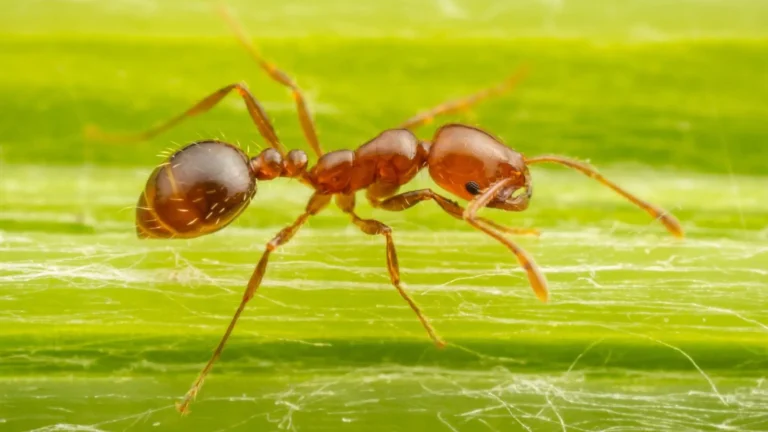
When the ground floods, insects that live in the soil, mulch, and leaf litter lose their homes in a hurry. They head for higher, drier ground, and your house is the closest option. That’s why calls about ants, cockroaches, and other invaders often pick up right after a big storm.
The usual suspects after heavy rain:
- Ants. Flooded colonies relocate fast, and a kitchen counter or bathroom floor is a dry, food-rich place to land. Trails often show up along baseboards and windowsills.
- Cockroaches. American and smokybrown cockroaches live outdoors in mulch and drains. When those flood, they come in through gaps around doors, pipes, and vents.
- Millipedes, earwigs, and crickets. These moisture lovers wander in through garage doors and foundation gaps, especially on the ground floor and in basements.
- Spiders. They follow their food. When other insects move inside, spiders aren’t far behind.
Here’s the good news: most of this storm-driven activity settles down once the ground dries out. If you’re on a U.S. Pest plan, your protective barrier is already working at the perimeter. And if bugs get past it between visits, just call. We’ll come back at no charge under our Whatever It Takes Guarantee.
What doesn’t settle down on its own is moisture that collects under the house. That’s the part of this storm that can cause problems long after the sun comes back out.
A dry crawl space can turn wet overnight
A crawl space that’s been bone dry all summer can fool you. It looks fine, smells fine, and you haven’t thought about it in months. Then a storm like this one drops inches of rain on hard, dry soil, and all that water has to go somewhere.
Here’s how it usually gets in:
- Runoff toward the foundation. When rain can’t soak into the yard, it sheets toward the house, especially where the ground slopes the wrong way.
- Overflowing gutters and short downspouts. A clogged gutter or a downspout that empties right at the wall puts a lot of water in one spot.
- Through the soil itself. Bare dirt in a crawl space pulls moisture up from the wet ground below and releases it into the air under your floors.
- Low spots and standing water. Some crawl spaces have a dip where water collects after every storm and sits for days.
- Humid air through vents. After the rain passes, warm, damp air flows in through open crawl space vents and settles on cooler pipes, ducts, and framing.
Wood is the material at risk. Building science guidance puts the upper limit for wood moisture content at about 20% to protect against decay (ICC, Floors Above Crawl Spaces). One big storm won’t rot your floor joists. But when a crawl space stays damp week after week, framing can creep past that line, and that’s when trouble starts.
Warning signs to watch for over the next few weeks include a musty smell inside, floors that feel soft or start to cup, condensation on ducts or pipes, white or dark growth on wood, and standing water you can see from the crawl space door.
Why a damp crawl space is a welcome mat for pests
Bugs need three things: food, shelter, and water. A wet crawl space hands them two out of three, right under your family’s feet. Over time, that moisture invites a whole chain of problems.
- Termites. Subterranean termites need moisture to survive, and damp soil and softened wood make their job easier. Ongoing water around the foundation can also wear on the soil barrier that protects your home.
- Wood-decay fungus. Fungus feeds on wet wood. Left alone, it weakens joists, sill plates, and subfloors, and it doesn’t stop when the weather turns cool.
- Moisture-loving insects. Cockroaches, camel crickets, silverfish, millipedes, and springtails thrive in humid crawl spaces and work their way up into the living space.
- Wood-boring beetles and carpenter ants. Both are drawn to damp or decaying wood.
- Rodents. Mice and rats look for shelter and water when the weather cools, and a humid crawl space offers both.
That’s why we always say crawl space moisture isn’t just a moisture problem. It’s a pest problem waiting to happen. Fix the moisture, and you take away the conditions those pests depend on. Your pest control and termite protection get to do their job without fighting the environment under your house.
How we dry out and protect a crawl space
Every crawl space is different, so we start with a free inspection. We measure moisture in the framing, look at where water gets in and where it collects, and check for termites, pests, and fungus at the same time. Then we recommend only what your home actually needs. We will never sell you something you don’t need. That’s a promise we’ve built our name on.
These are the tools we use, alone or together:
- Sump pumps. If water pools in your crawl space after storms like this one, a sump pump collects it in a pit and pumps it out and away from the foundation before it can soak into the soil and framing.
- Crawl space dehumidifiers. Even without standing water, humid air can keep wood damp for months. A dehumidifier made for crawl spaces pulls that moisture out of the air and keeps humidity in check year-round.
- Vapor barriers. A barrier over the dirt floor stops ground moisture from rising into the space. It’s often the first and most affordable step, and it makes everything else work better.
- Antifungal wood treatments. We’ve treated homes for fungus since the company began. The treatment stops fungal growth on joists, sill plates, and subfloors and helps protect the wood going forward.
Our equipment isn’t pulled off a big-box shelf. Our crawl space team hand-picks the dehumidifiers, barriers, and sump pumps we install, and our state-certified technicians put them in and explain how to keep them working.
From a vapor barrier to full Moisture Shield protection
You don’t have to do everything at once. Some homes only need a vapor barrier. Others, especially ones with standing water, a musty smell, or past fungus damage, need the whole system. We’ll tell you honestly which one fits.
Vapor barrier only. We cover the crawl space floor to block ground moisture. Barriers are measured in mils (one mil is a thousandth of an inch), and we offer thicknesses from 6 to 20 mil. Thinner plastic handles basic moisture. Thicker, heavy-duty material stands up better to foot traffic, sharp rocks, and the service visits that happen in a crawl space over the years.
Our Moisture Shield program. This is our version of crawl space encapsulation, and it’s built to keep the space dry for the long haul. It combines a heavy-duty barrier on the floor and up the walls, sealed seams and openings, a crawl space dehumidifier, a sump pump where water collects, and antifungal treatment for the wood.
| Vapor barrier only | Moisture Shield program | |
| Best for | Mostly dry crawl spaces with some ground moisture | Damp or musty crawl spaces, standing water, past fungus |
| Barrier | Floor coverage, 6 to 20 mil | Heavy-duty barrier on floor and walls, seams sealed |
| Humidity control | None | Crawl space dehumidifier |
| Standing water | Not addressed | Sump pump where water collects |
| Wood protection | Can be added | Antifungal treatment included |
| Can grow later | Yes, add pieces anytime | Complete system |
Many homeowners start with a vapor barrier and add a dehumidifier or antifungal treatment later. Either way, the work can be included in your U.S. Pest service plan.
Why it matters who treats your crawl space in Tennessee
Here’s something most homeowners don’t know: in Tennessee, treating fungus in your crawl space is regulated pest control. The Tennessee Department of Agriculture groups wood decay with termites, wood borers, carpenter bees, and carpenter ants in its Wood Destroying Organisms license category. Any company that applies those treatments for hire also needs a state pest control charter (Tennessee Department of Agriculture).
U.S. Pest holds that authority. We’re chartered and licensed for both wood-destroying organisms and general pest control, and our technicians are state certified. So the same team that installs your vapor barrier or Moisture Shield can treat the fungus on your framing, protect your home from termites, and keep pests out of the living space.
That’s what makes our programs fit together so well. A waterproofing company can dry out a crawl space, and a pest company can spray for bugs. We do both, and we look at your crawl space the way we’d look at our own grandmother’s house. Moisture control makes your pest and termite protection more effective. Pest and fungus treatment protects the wood your moisture work is keeping dry. One inspection, one plan, one company you already know and trust.
Before you hire anyone to treat fungus under your home, ask whether they hold a Tennessee pest control charter and a Wood Destroying Organisms license. It’s a simple question that protects your home and your wallet.
Why fall is the best time for crawl space work
If a crawl space project has been sitting on your to-do list, this is your sign. Fall is the smartest season of the year to get it done, and this storm just proved why.
- The rain just showed you where the water goes. Right after a storm is the best time to see how water moves around and under your home. Standing water, wet soil, and damp framing are easy to spot now. In a dry August, they hide.
- Your wood gets the winter to dry out. Once the moisture source is under control, framing has the cooler, drier months to dry back down before humid weather returns.
- You’re protected before spring rains and termite season. Tennessee springs bring heavy rain, and termites swarm in spring. A crawl space that’s sealed and dry by then is ready for both.
- Pests are looking for winter shelter right now. Mice, rats, and overwintering insects move toward warm, protected spaces as temperatures drop. Sealing openings and drying the space in fall takes away one of their favorite hideouts.
- Cooler weather makes the work easier. A crawl space in July can be a hot, sticky place for an inspection. Fall temperatures make it more comfortable to look closely and do the job right.
- The holidays are coming. Musty smells and soft spots in the floor are the last thing you want when family comes to visit. Fixing them now means one less thing to worry about.
Putting off crawl space work rarely makes it cheaper. Moisture damage adds up quietly, and a vapor barrier today can save you from fungus treatment or framing repairs down the road.

Your after-the-storm checklist
A few easy checks this week can tell you a lot about your home:
- Clean out gutters and make sure downspouts carry water at least a few feet from the foundation.
- Walk the outside of the house and look for spots where water pooled against the walls.
- Open the crawl space door or look into your unfinished basement with a flashlight. Look for standing water, wet soil, or a torn or missing vapor barrier.
- Notice any musty smell inside the house, especially in rooms over the crawl space.
- Pull mulch, leaves, and firewood a few inches back from the foundation so pests have fewer places to hide near the house.
- Wipe up spills and keep food sealed for the next week or two while displaced ants and roaches are looking for a new home.
- If you see bugs inside after the storm, give it a few days. If they stick around, call us.
Not sure what you’re looking at? That’s what we’re here for. A free inspection takes the guesswork out of it.
Frequently asked questions
Why are there more bugs in my house after heavy rain?
Flooding pushes insects out of the soil, mulch, and leaf litter, and they look for dry shelter. Ants, cockroaches, millipedes, and crickets often show up inside for a week or two after a big storm. Most of that activity fades as the ground dries.
How do I know if my crawl space has a moisture problem?
Common signs include a musty smell, soft or cupping floors, condensation on ducts and pipes, growth on the wood, standing water, and more bugs than usual. A free U.S. Pest inspection includes moisture readings on your framing.
Do I need full encapsulation, or just a vapor barrier?
It depends on your crawl space. A mostly dry space may only need a vapor barrier. A space with standing water, high humidity, or fungus usually needs our Moisture Shield program. We’ll recommend only what your home needs.
What does vapor barrier thickness mean?
Vapor barriers are measured in mils, or thousandths of an inch, and we offer 6 to 20 mil. Thicker barriers resist tears and punctures better and hold up longer in a crawl space that gets regular foot traffic.
Does crawl space moisture attract termites?
Yes. Subterranean termites need moisture, and damp soil and softened wood make a home more inviting to them. Controlling moisture also helps protect your termite treatment.
Who can treat fungus in a crawl space in Tennessee?
Treating wood decay falls under the Wood Destroying Organisms license category from the Tennessee Department of Agriculture, and companies need a state pest control charter. U.S. Pest holds both.
Why should I do crawl space work in the fall?
Fall rain shows where water gets in, the drier winter months help framing dry out, and you’re protected before spring rains and termite swarm season. Pests are also looking for winter shelter now.
Can crawl space work be part of my pest control plan?
Yes. Vapor barriers, dehumidifiers, sump pumps, and antifungal treatments can be included in your U.S. Pest service plan
Protect your home from the ground up
We’re not in the bug business. We’re in the people business, and that means looking out for your whole home, not just the bugs you can see. We’re Tennesseans serving Tennesseans, and this storm is a good reminder to check on the part of your house you don’t see every day.
If the rain has you wondering what’s going on under your floors, schedule a free crawl space inspection or call us at 615-590-1260. We’ll measure moisture, check for termites, pests, and fungus, and give you a clear written plan, from a simple vapor barrier to full Moisture Shield protection. Learn more about our crawl space encapsulation and moisture control. And we stand behind our crawl space work: if something isn’t right, we come back and make it right.
Sources: WKRN, October 9, 2026; WKRN, October 10, 2026; Tennessee Department of Agriculture, Certification, Licensing and Charters; International Code Council, Floors Above Crawl Spaces.