
Wood Fungus Treatment for Crawl Spaces in Middle Tennessee
Fungus on your floor joists is more than a stain. Wood-decay fungi break down the wood that holds up your home, and mold is a sign that wood is staying too wet. U.S. Pest Protection treats crawl space framing with Bora-Care and Bora-Care with Mold-Care, finds the moisture problem behind the fungus, and backs the treatment with a fungus warranty. Call 615-590-1260 to schedule a free crawl space inspection.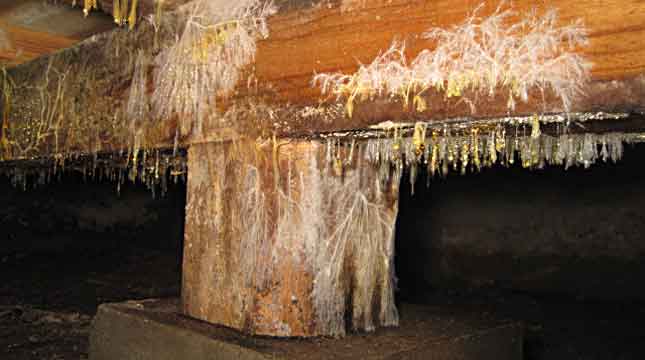
Mold vs. Wood Decay: What’s the Difference?
Not all fungus is the same. Mold and mildew grow on the surface of damp wood, often as white, green or black spots. They don’t usually weaken wood on their own, but they’re a clear sign the wood is too wet. Wood-decay fungi are more serious. Brown-rot, white-rot and soft-rot fungi feed on the wood itself and break down its structure, weakening floor joists, sill plates and subflooring over time. Where you find one, conditions are often right for the other.
Bora-Care
A borate wood treatment that soaks into bare wood and protects it from decay fungi, along with termites, carpenter ants and powderpost beetles. It’s made by Nisus Corporation in Rockford, Tennessee.
Bora-Care with Mold-Care
When mold is present, we add Mold-Care to Bora-Care. Mold-Care kills existing mold and helps keep it from coming back, while Bora-Care protects the wood from decay.Fungus Treatment, Made Simple


Treat the Wood:
We apply Bora-Care, or Bora-Care with Mold-Care, to affected framing.
Fix the Moisture:
We recommend the moisture solution that keeps fungus from returning.
What Fungus Treatment Protects
We treat the wood that matters most to your home’s structure:Why Moisture Is the Real Problem
Fungus can’t grow on dry wood. Research from the USDA Forest Products Laboratory shows that wood won’t decay below 20% moisture, while decay is well established above 30%. Our inspectors take action at 18%, before wood ever reaches the danger zone. The EPA puts it simply: the key to mold control is moisture control. That’s why we pair fungus treatment with a plan to dry out your crawl space, whether that’s a vapor barrier, a dehumidifier, a sump pump, or our Moisture Shield crawl space encapsulation.

Treatment Protects Wood, but It Can’t Rebuild It
We want you to know exactly what to expect. Fungus treatment stops decay and protects the wood going forward, but it doesn’t restore strength to wood that’s already damaged. If we find framing that’s soft or badly decayed, we’ll show you and explain your options before any work begins. We’ll never sell you something you don’t need.
How Our Fungus Treatment Works
- Inspection: we take moisture readings and probe joists and sill plates for softness.
- Find the source: we look for what’s keeping the wood wet, from bare soil to leaks and poor drainage.
- Bare wood: Bora-Care needs raw, unfinished wood to soak in, so we treat exposed framing.
- Treatment: we apply Bora-Care, or Bora-Care with Mold-Care when mold is present.
- Stains: treatment stops mold but doesn’t erase the dark stains it leaves. We can clean stains if you’d like.
- Moisture control: we recommend the right solution to keep your crawl space dry.
Signs Your Crawl Space Needs Fungus Treatment
- White, green or black growth: spots or fuzz on joists, sill plates or subflooring
- Soft or crumbling wood: wood that gives when probed or breaks apart easily
- A musty smell: damp, earthy odors rising into the house
- Wood moisture at 18% or higher: measured with a moisture meter during your inspection
Fungus Warranty and Pricing
- Fungus warranty: renews yearly, like our termite renewal. If fungus comes back while your warranty is active, we retreat at no additional cost
- What it covers: retreatment only; the fungus warranty doesn’t cover repairs to damaged wood
- Pricing: quoted at your free crawl space inspection, based on what your home needs
You’ll know the price and exactly what your warranty covers before any work begins. Yearly warranty renewals are priced by the size of your home.
Licensed to Treat Wood Decay in Tennessee
In Tennessee, treating wood decay for hire falls under the state’s Wood Destroying Organisms license, the same category that covers termites, carpenter ants and wood borers. That makes fungus treatment licensed pest control work, done by a chartered firm. U.S. Pest holds that license, so one company can take care of your termites, pests, moisture and fungus together.
Questions about fungus in your crawl space? Call 615-590-1260 and we’ll set up your free inspection. For a deeper look at what we watch for, see our guide to wood-destroying insects in Tennessee.
Wood Fungus Treatment FAQs
What causes fungus in a crawl space?
Moisture. Damp soil, humid air, leaks and poor drainage keep crawl space wood wet. Decay fungi need wood moisture of about 20% or higher to grow.
Is mold on my floor joists a problem?
Mold mostly grows on the surface, but it means the wood is staying too wet, and those same conditions let wood-decay fungi grow. Decay fungi are the ones that weaken wood.
How do I know if I need fungus treatment?
Look for white, green or black growth on wood, soft or crumbling wood, or a musty smell. At your free inspection, we measure wood moisture; 18% or higher means it’s time to act.
What is Bora-Care?
Bora-Care is a borate wood treatment made by Nisus Corporation in Rockford, Tennessee. It soaks into bare wood and protects it from decay fungi, termites, carpenter ants and powderpost beetles.
What is Mold-Care?
Mold-Care is added to Bora-Care when mold is present. It kills existing mold and helps keep it from coming back.
Will fungus treatment remove mold stains?
No. Treatment stops the mold, but the dark stains usually remain. We can clean stains if you’d like.
Does fungus treatment fix damaged wood?
No. Treatment stops decay and protects wood going forward, but it doesn’t restore strength to wood that’s already damaged. We’ll show you any areas of concern.
Do you offer a fungus warranty?
Yes. If fungus comes back after treatment while your warranty is active, we retreat at no additional cost. The warranty renews yearly, like our termite protection, and the renewal price depends on the size of your home. It doesn’t cover repairs to damaged wood.
Can fungus come back after treatment?
It can if the wood stays wet. Even the manufacturer notes mold will eventually grow in conducive conditions, which is why we pair treatment with moisture control and back it with a warranty.
Do I need a vapor barrier too?
Often, yes. Treating the wood without fixing the moisture leaves the door open for fungus to return. Your inspector will recommend the right moisture solution for your crawl space.
How much does fungus treatment cost?
Fungus treatment is priced at your free crawl space inspection, based on the size of the area and what your home needs.
Can a handyman treat wood fungus?
Not for hire. In Tennessee, treating wood decay for hire is licensed pest control work under the Wood Destroying Organisms category, done by a chartered pest control firm.
Wood Fungus Treatment Across Middle Tennessee
We treat crawl space fungus throughout Nashville, Brentwood, Franklin, Hendersonville, Mt. Juliet, Murfreesboro, and nearby towns, from our Nashville and Hendersonville offices.
Fungus Under Your Home?
Call 615-590-1260 to schedule your free crawl space inspection.
Sources: USDA Forest Products Laboratory, “Limiting Conditions for Decay in Wood Systems”; U.S. Environmental Protection Agency, “A Brief Guide to Mold, Moisture, and Your Home”; Tennessee Department of Agriculture, “Certification, Licensing and Charters”; Nisus Corporation, Bora-Care and Mold-Care product labels.
More Ways We Protect Your Home
Not sure what you’re dealing with?
Identify it in our Pest ID Guide.
