Do Termites Die in Winter? Facts for Tennessee Homeowners

Most people assume pest problems disappear when the weather turns cold. For some insects, that’s roughly true. For termites, it isn’t. Subterranean termites — the most common type in Middle Tennessee — don’t hibernate. They move deeper underground, sometimes 40 inches below the frost line, where temperatures stay steady enough to keep the colony working. And if they’ve already found your home, the heated crawl space and framing give them everything they need to keep feeding right through January.
Quick Facts About Termites in Tennessee
| Main type in TN | Eastern subterranean termite |
| Size | 1/8 to 3/8 inch |
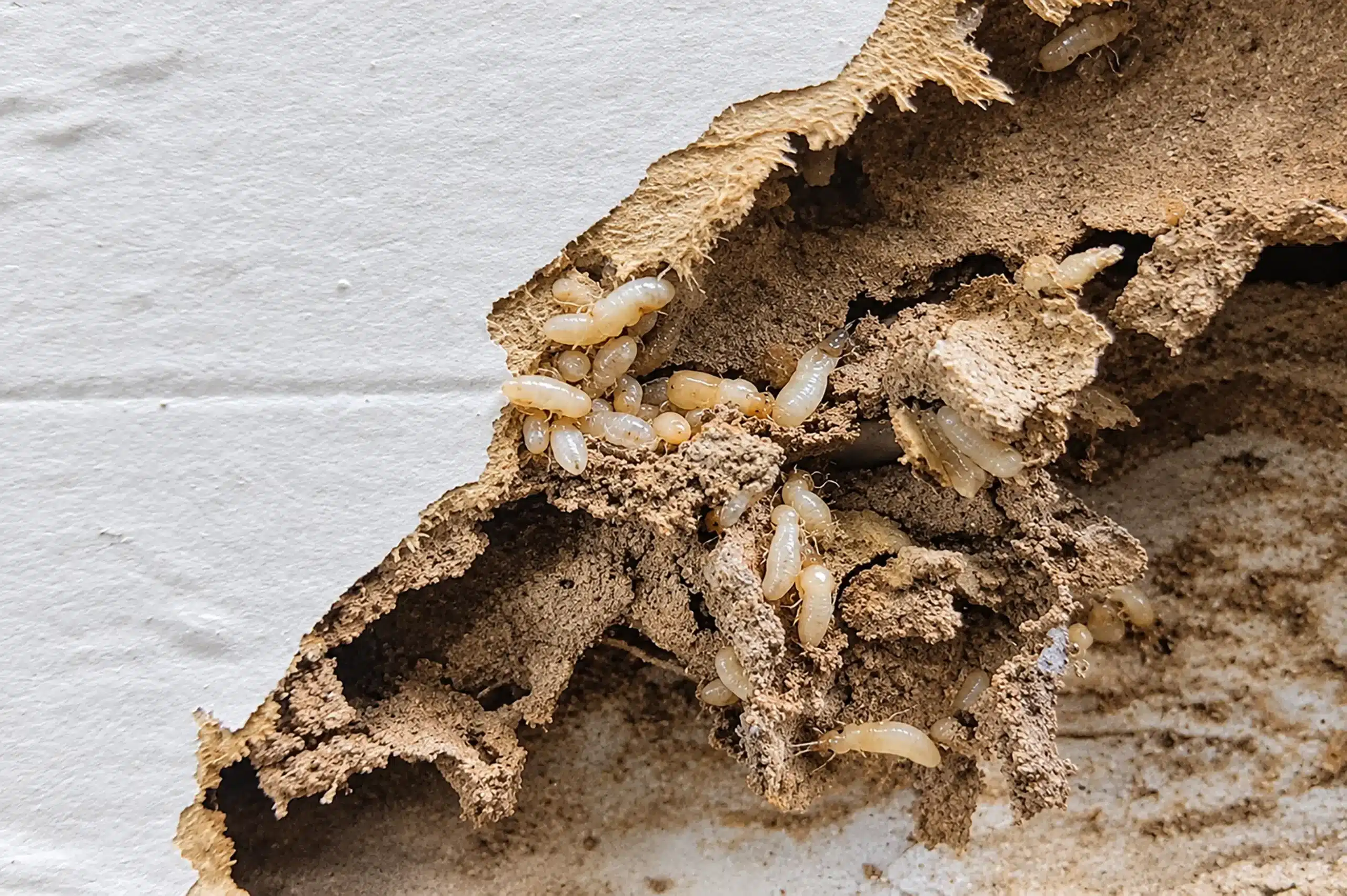
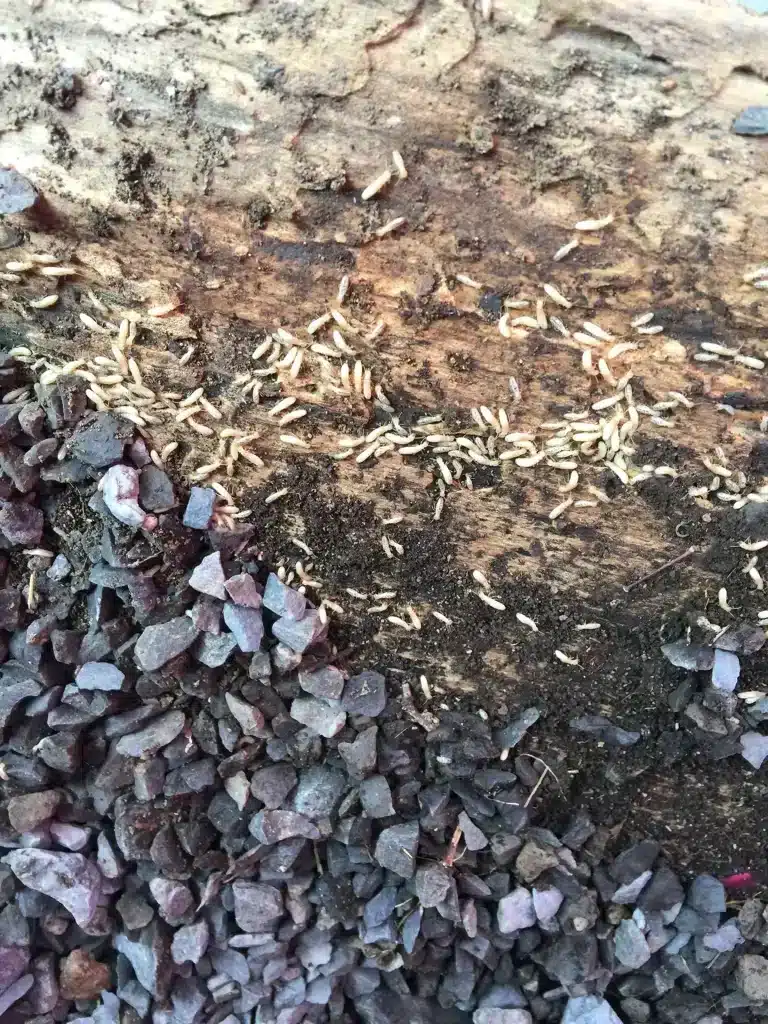
| Looks like | Creamy white workers; dark, winged swarmers |
| Lives | In the soil; reaches wood through mud tubes |
| Active | Year-round; swarms late winter through spring |
| Warning signs | Mud tubes, discarded wings, hollow-sounding wood |
| Danger to people | None. No bites, stings, or disease. Only harmful to structures. |
Mature termite colonies can number in the hundreds of thousands of workers. Tennessee is estimated to have roughly 15 to 20 termite colonies per acre statewide [flag for verification before publishing] — which is a large number of colonies quietly working their way through any available wood source.
What Do Termites Do in Winter?
Termite colonies slow down in the cold. When surface temperatures drop, subterranean termites retreat deeper into the soil, where the ground stays at a steadier temperature, and foraging activity decreases. The problem is that “slower” and “stopped” are very different things, especially for termites that have already made it inside.
The soil under a heated house doesn’t get as cold as an open field. Termites established in your crawl space, slab, or framing have climate-controlled conditions working in their favor. The colony may be less visible in winter, but the damage is still accumulating.
Do Termites Swarm in Winter?
Most termite swarms in Middle Tennessee happen in spring, typically on warm days following rain. But swarms can also occur in winter inside heated homes. Winged termites near a furnace, water heater, fireplace, or sunny window in January are a significant warning sign. Swarmers that fly indoors usually won’t start a new colony, but their presence means a mature colony is nearby — and often already inside the structure.
Termites are frequently confused with flying ants. Here’s how to tell them apart: termites have straight antennae, a thick midsection, and four wings of equal length. Flying ants have bent antennae, a pinched waist, and front wings longer than the back ones. Our Termite Pest ID Guide has photos if you want a closer look.

Signs of Termites to Check for This Winter
Winter is actually a good time to inspect. With leaves off the trees and flower beds cut back, more of your foundation is visible than at any other time of year. Here’s what our techs look for:
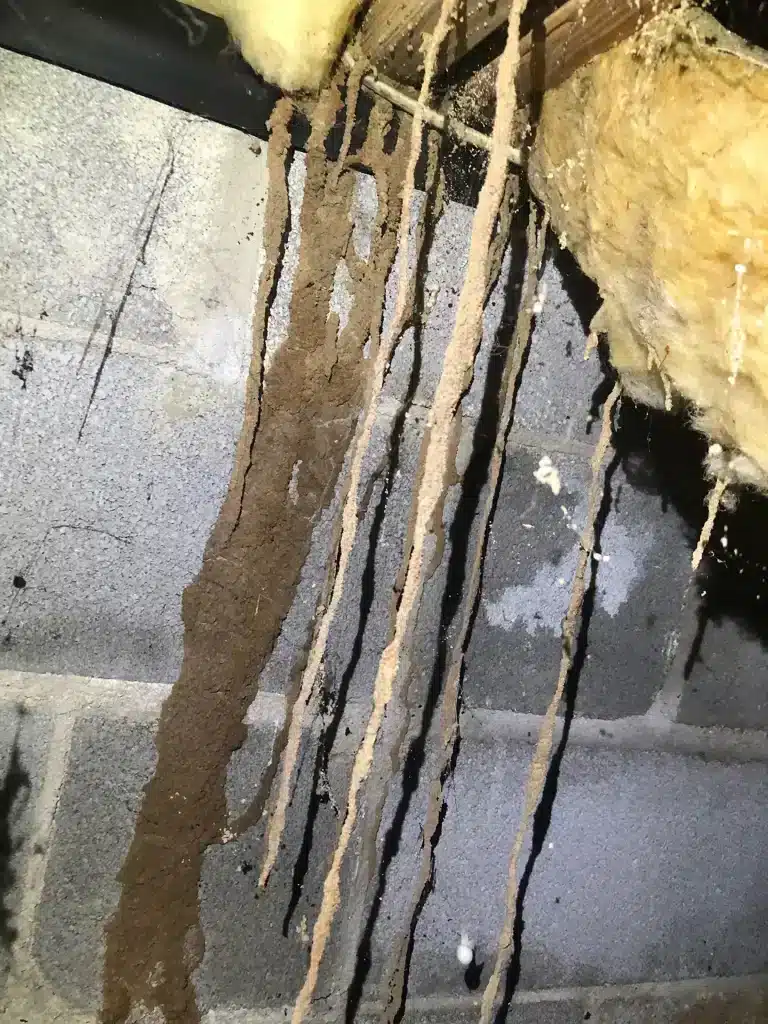
- Mud tubes. Pencil-width tunnels of packed dirt running up foundation walls, crawl space piers, or along the edge of a slab. These are the highways termites build to travel between soil and wood without exposure to open air.
- Discarded wings. Small piles of identical wings on windowsills, near doors, or caught in spider webs. Swarmers shed their wings immediately after landing.
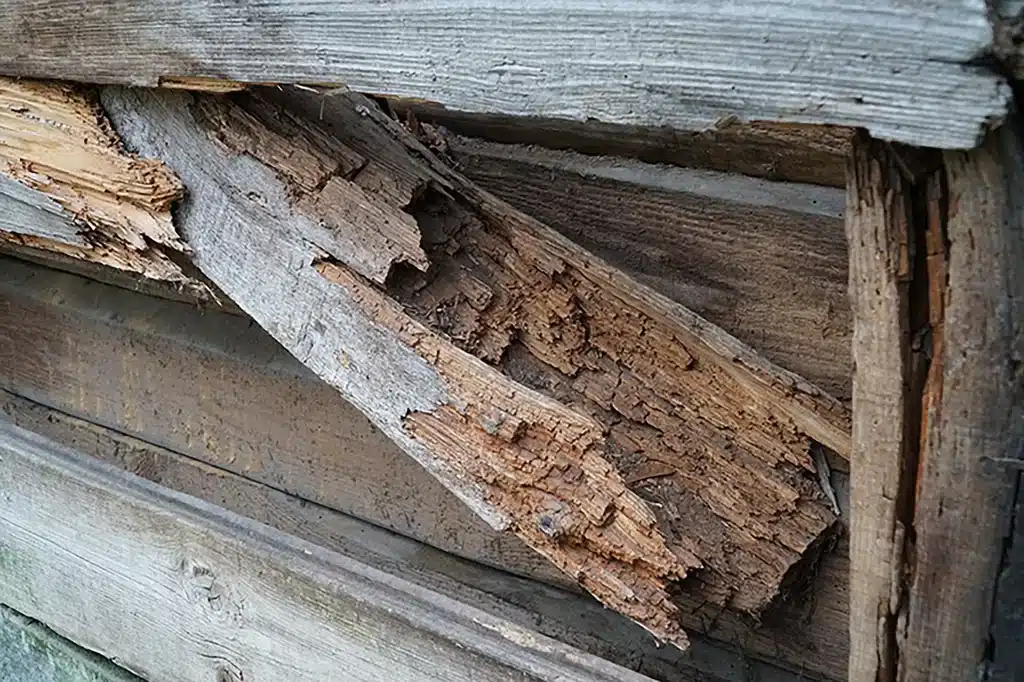
- Hollow or soft wood. Wood near the foundation that sounds hollow when tapped or gives way when pressed with a screwdriver.
- Bubbling or damaged paint. Paint or drywall near the ground that blisters, bulges, or looks water-damaged. This can have other causes, but termite activity is one of them worth ruling out.
- Sticking doors and windows. Frames that suddenly stick or won’t close properly. Termite damage to surrounding wood can alter the shape of door and window frames over time.
How to Make Your Home Less Inviting This Winter
You can’t make your home completely termite-proof, but a few habits go a long way toward reducing the risk:
- Store firewood away from the house. Keep your woodpile off the ground and away from your foundation. Only bring inside what you plan to burn right away.
- Clean your gutters. Once the leaves have fallen, clear your gutters and point downspouts away from the foundation so water doesn’t pool along your home’s perimeter.
- Check for leaks. Leaking pipes and faucets — especially after a hard freeze — create the moisture conditions that make a home more attractive to a new colony.
- Keep your crawl space dry. A damp crawl space is an open invitation for termites. If moisture is a consistent problem, encapsulating the crawl space can help keep it dry and well-ventilated.
- Keep up with your annual inspection. If you have a termite warranty, your yearly inspection is what keeps coverage active. Learn more about how termite renewal works and what it covers.
Termite Protection From U.S. Pest Protection
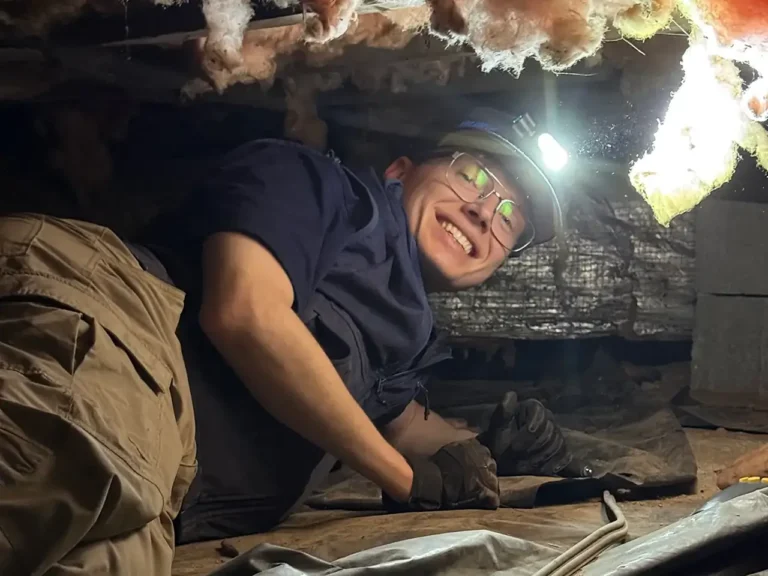
Termites work year-round, and so do we. Our process starts with a free inspection — our Termite Pros go through your home inside and out, show you what they find, and give you a written plan and price before any work begins. If you’re seeing signs of termite activity, or it’s been a while since your last inspection, now is a good time to get ahead of spring swarm season. Call us at 615.590.1260 or schedule a free inspection.