
Cottontown Pest Control — Protecting Farms & Historic Homes in the Jewel of Sumner County for 40+ Years
Family-owned pest protection tuned to historic homesteads and working farms — for over 40 years.
Cottontown straddles the Sumner and Robertson county line along State Route 25, founded in 1795 by Revolutionary War veteran Captain Thomas Cotton on a 1,280-acre land grant. Locals still call it “the Jewel of Sumner County,” and that character comes through in sites like the 1819 Bridal House log cabin and the King Homestead, both preserved as historic sites, and in the farms, pasture, and woodland that still make up most of the community even as new subdivisions creep in from nearby Gallatin and Portland. That mix, historic log-cabin-era homesteads, working farms, and the wooded, rural character residents are actively working to protect, is what shapes local pest pressure differently from the growing subdivisions just down the road. For more than 40 years, our family-owned team has protected Cottontown homes and farms, from the historic sites along State Route 25 out toward Portland, White House, and Westmoreland.
Being a historic farm community caught between rural tradition and encroaching new development shapes which pests show up and where. Here’s what we see most in Cottontown homes and outbuildings:
Barn Rodents
Barn & farm rodents
Working farms are still the backbone of Cottontown, and the barns, feed rooms, and hay storage on those properties give mice food, cover, and warmth. It doesn’t take much for that population to move from a barn into a nearby farmhouse. We treat outbuildings and the home as one property, not two separate jobs.
Termites
Termites in historic log-cabin & homestead construction
Cottontown’s oldest structures, like the log-built Bridal House and other homestead-era homes scattered across the community, are exactly the kind of wood construction subterranean termites target. They swarm in spring (typically March through May) and feed year-round below grade. An annual inspection and a monitored barrier matter even more for structures this old, where original material can’t simply be replaced.
Ticks & Mosquitoes
Ticks and mosquitoes from pasture & woodland
Cottontown’s pasture, farm ponds, and wooded property edges give ticks and mosquitoes plenty of habitat. Ticks ride in on livestock, pets, and pant cuffs after time in tall grass or brush, while low, shaded spots breed mosquitoes after rain. Our program treats the yard, tree line, and outbuildings, not just the porch.
Spiders
Spiders — including brown recluse
Barns, older farmhouses, and historic outbuildings throughout Cottontown are classic brown recluse habitat in Middle Tennessee. We treat harborage areas and knock down the insect activity that draws spiders in the first place.
Occasional Invaders
Occasional invaders in new-construction subdivisions
As farmland here gives way to new subdivisions, homes built closer to open fields and tree lines than an established in-town lot see more brown marmorated stink bugs, lady beetles, and other fall invaders clustering on sunny walls. Sealing entry points around siding, windows, and utility penetrations before the first cool snap keeps a fall nuisance from becoming a winter one.
Seasonal Rodents
The fall rodent push
As temperatures drop from September into November, mice move off the fields, fence lines, and wooded edges and into garages, crawlspaces, barns, and attics looking for a warm winter home. Sealing entry points before the first cold snap is far easier than evicting an established population in January.
Your Cottontown Pest Calendar
What to expect through the year around Cottontown’s farms and homesteads — and when to act:
Spring
(Mar–May)
Termite swarms begin around historic homestead construction, cattle turn out to pasture, and the season’s first mosquitoes hatch in farm ponds and low spots. Best window for a termite inspection.
Summer
(Jun–Aug)
Ticks and mosquitoes peak in pasture and wooded edges; wasp and yellowjacket nests grow large in barns; spiders are active in sheds and outbuildings.
Fall
(Sep–Nov)
Rodents move off fields and wooded edges and into barns and homes ahead of winter; stink bugs and lady beetles cluster on sunny walls, especially on newer homes near open fields. Prime time to seal up.
Winter
(Dec–Feb)
Rodents settle into barns, attics, and crawlspaces; overwintering pests hide in wall voids. The quiet season to plan exclusion and lock in termite protection.
Cottontown-Area Communities We Serve
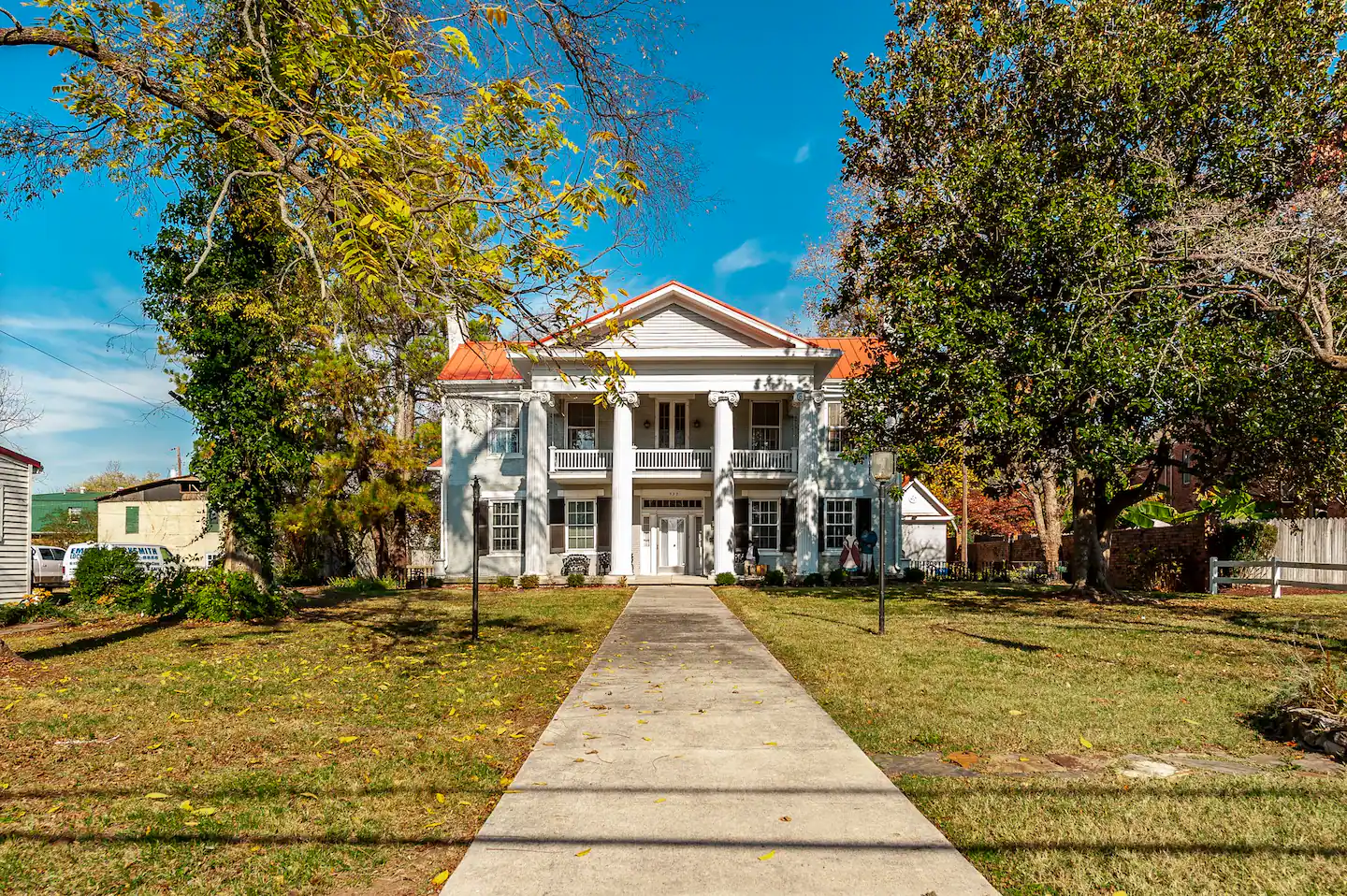
We treat homes and farms across Cottontown and the surrounding Sumner and Robertson County countryside including:
PortlandWhite HouseWestmorelandFountain HeadGallatinAdams
Whether you’re on a working farm, a historic homestead, or a new build on former farmland, we’re a local call away at 615.590.1260.

Cottontown FAQs
Ready to Protect Your Cottontown Home, Farm, or Historic Property?
Schedule your free pest inspection today. We’ll walk your property, pinpoint the pressure points unique to your land, and build a plan backed by our Whatever It Takes Guarantee.
Total Home Pest Protection, Made Simple

Schedule Your Free Inspection:
Our experts thoroughly assess your home’s pest control needs.
Get Your Customized Solution:
Receive a comprehensive protection plan tailored to your home.
Enjoy Peace of Mind:
Rest easy with protection backed by our Whatever It Takes guarantee.We’ll do Whatever It Takes to Protect Your Home
Get a free inspection, a customized treatment plan, and total peace of mind with our family-safe solutions.-

U.S. Pest has taken care of my home since they treated the ground before we built and have been caring for us for 31 years. I am a happy customer who knows that they do the job well. Thank you!
Eunie H., Gallatin, TN
-
I have used US Pest Protection for 4 of my properties for several years now. They have done an excellent job. They take care of my concerns & requests in a timely manner. They are able to handle a 230 year old mansion that is now a bed and breakfast and all the challenges it has with 15 bedrooms, etc. I highly recommend this company.
Lewis James
