
Winter-Proofing Your Home: A Pest Prevention Checklist for Middle Tennessee

Winter-proofing your home is one of the simplest ways to stay ahead of pests in Middle Tennessee. Our winters swing between hard freezes and 60-degree afternoons, and the insects and rodents that live around your house don’t simply die off when the temperature drops. They go looking for shelter, and a warm, dry house is the best shelter on the block.

The good news is that most winter pest problems start with a handful of fixable openings. Work through this checklist now, and you’ll head into spring with fewer surprises.
Why pests move in when it’s cold
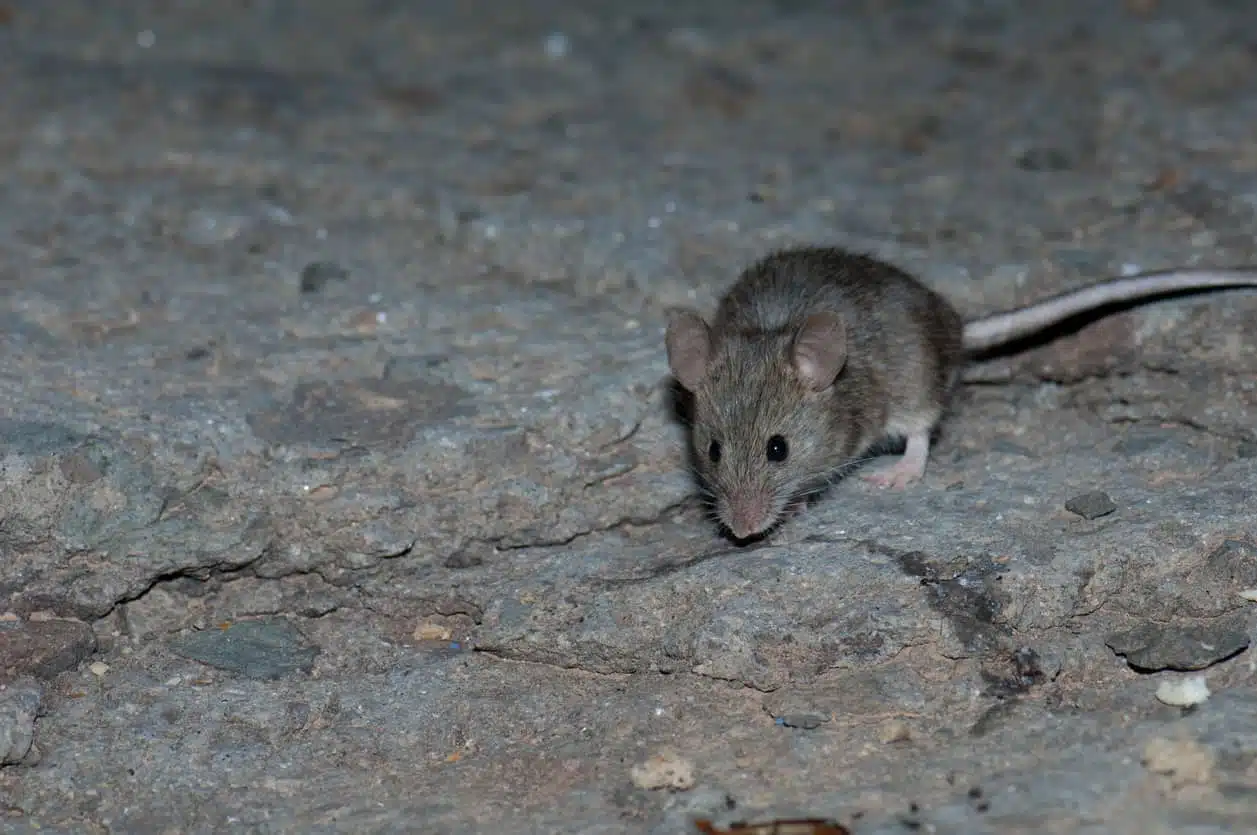
Mice and rats need warmth, food and a safe place to nest, and January delivers all three indoors. Cockroaches gather near water heaters, dishwashers and other warm, damp spots. Spiders, stink bugs and lady beetles tuck into wall voids and attics. Subterranean termites slow down in cold soil, but under a heated home they can stay busy all season.
None of these pests needs a big doorway. According to the CDC, a mouse can squeeze through a hole about the size of a nickel, and a rat can get through one not much bigger than a half dollar.
Your room-by-room winter checklist
| Area | What to check | Why it matters |
|---|---|---|
| Foundation and siding | Cracks, gaps where siding meets brick, missing mortar | Rodents and insects follow walls until they find an opening |
| Doors and garage | Worn door sweeps, daylight under the garage door, gaps between garage and house | The garage is a common first stop for mice and spiders |
| Pipes and wires | Gaps where plumbing, cable, gas and HVAC lines enter | Utility gaps are easy to miss and easy to use |
| Roofline and attic | Loose soffits, damaged vent screens, gaps at the eaves | Squirrels, rats and overwintering insects enter from above |
| Crawl space | Standing water, damp insulation, open or broken vents | Moisture attracts termites, camel crickets and cockroaches |
| Kitchen and pantry | Open food packages, crumbs behind appliances, pet food left out | Food keeps pests coming back once they’re inside |
| Storage areas | Cardboard boxes on the floor, clutter along walls | Clutter gives pests hiding places and nesting material |
| Yard | Leaf piles, shrubs touching the house, firewood stacked against walls | Cover near the foundation gives pests a safe approach |
Seal the gaps before you see a mouse
Waiting for droppings means a mouse has already found the way in. Walk the outside of your home with a flashlight and look low, along the foundation, and high, along the roofline. Fill small holes with copper mesh or steel wool and seal over it with caulk, since rodents can chew through caulk or foam alone. Replace worn door sweeps, and keep the garage door closed whenever you can.
Some openings are hard to reach or hard to spot. Our Pest Pros seal rodent entry points as part of our rodent control service, so you don’t have to crawl under the house yourself.
Keep moisture in check
Winter rain soaks Middle Tennessee yards, and damp crawl spaces become pest magnets. Clean gutters, make sure downspouts carry water away from the foundation, and fix dripping pipes and outdoor faucets. If your crawl space stays wet, ask us about crawl space encapsulation and moisture control.
Packing away the holidays? Check the boxes first
January is when decorations head back to the attic, basement or garage, and those boxes become cozy homes for spiders and mice. Before you store anything:
- Shake out and inspect decorations, especially items that sat in the garage.
- Move them into sealed plastic bins instead of cardboard.
- Keep bins off the floor and away from walls when you can.
Brown recluse spiders love quiet, undisturbed boxes. If you’ve found one, our brown recluse treatment is built for exactly that problem.
Tidy up the yard
Trim shrubs and branches so they don’t touch the house, rake leaves away from the foundation, and keep firewood stacked away from your walls and off the ground. Our post on bugs in firewood explains what can hitch a ride inside on a log.
Signs pests have already moved in
- Scratching or scurrying in walls or ceilings, especially at night
- Droppings in cabinets, drawers, the garage or the attic
- Chewed food packaging, wires or insulation
- Shredded paper, fabric or insulation bunched into a nest
- Spiders or small beetles gathering around windows on sunny days
If you notice any of these, call sooner rather than later. Mice reproduce quickly, and a small problem in January can be a big one by March.
What we do on a winter visit
Winter service is when we get ahead of spring. Your Pest Pro inspects the exterior, looks for new entry points, checks moisture problems around the foundation and crawl space, and treats where activity is present. We’ll explain everything we find, and we’ll never sell you something you don’t need.
FAQs
Do pests really come inside in winter?
Yes. Mice, rats, cockroaches, spiders and several overwintering insects move indoors when temperatures drop. Middle Tennessee’s mild spells keep many of them active all winter.
How small a gap can a mouse use?
The CDC says a mouse can get through a hole about the size of a nickel. Rats need only a slightly larger gap.
Should I keep my pest service through the winter?
We recommend it. Winter visits catch entry points and early activity before spring, when pest populations grow quickly.
What should I use to seal small holes?
Stuff the gap with copper mesh or steel wool, then seal over it with caulk. Rodents can chew through foam or caulk by itself.
Will you come out if I find a mouse in January?
Yes. Call us, and we’ll schedule a free inspection to find how it got in and put a plan in place.
Get ahead of winter pests
Winter is quiet on the outside, but it’s a busy season under the floors and inside the walls. Every service is backed by our Whatever It Takes Guarantee. Call 615-590-1260 or schedule your free inspection.
Sources: Centers for Disease Control and Prevention, Rodent Control: Seal Up, Trap Up, Clean Up; University of Tennessee Extension, PB1344 Subterranean Termite Control.