Spotted Lanternflies in Middle Tennessee: What Homeowners Need to Know

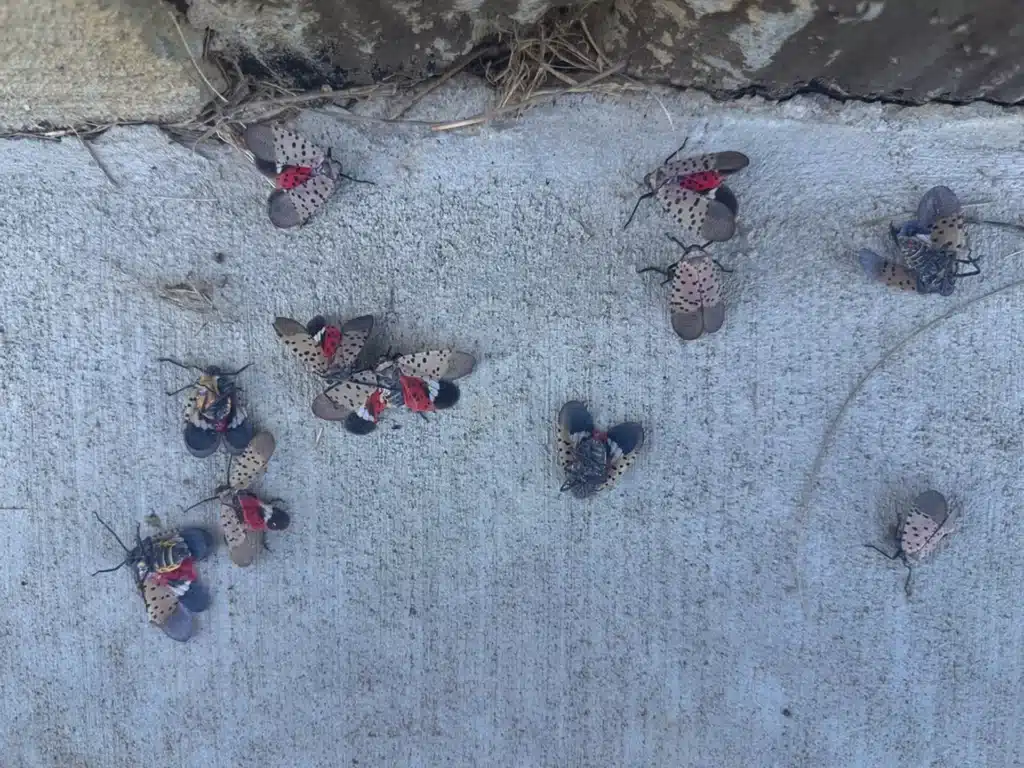
Have you spotted a unique bug with black spots and bright red wings? Before you brush it off as just another insect, take a closer look. You may have found a spotted lanternfly, an invasive pest that Tennessee homeowners should know about.
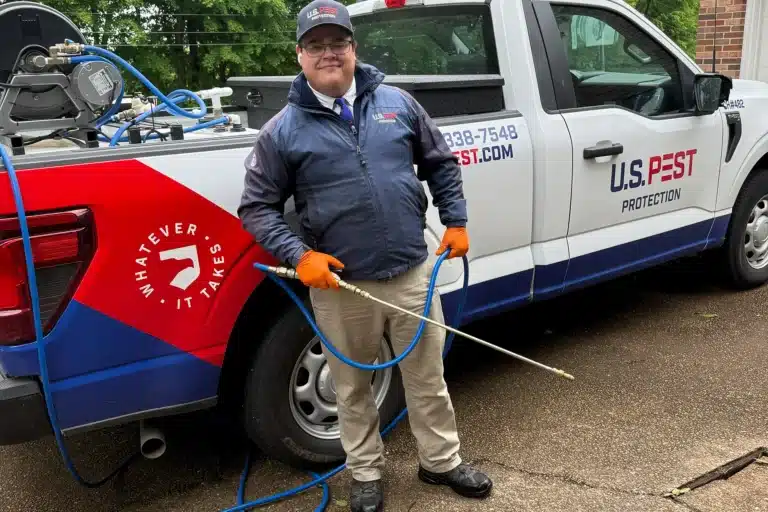
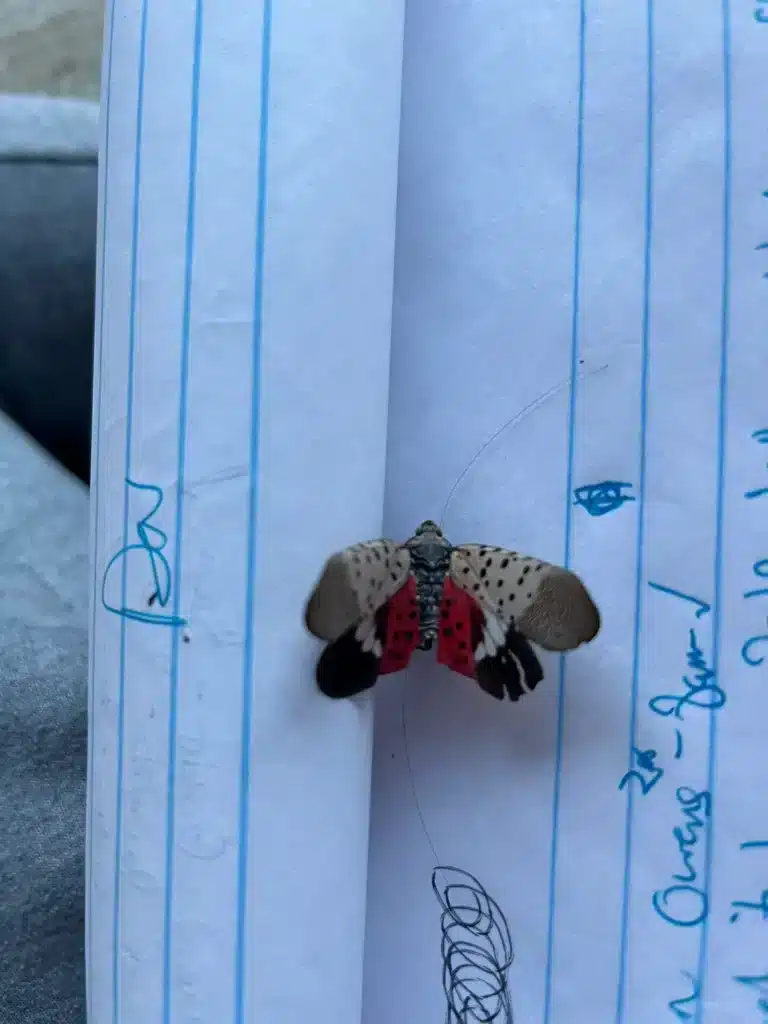
Our Pest Pros are keeping an eye out, too. Recently, one of our own Pest Pros discovered a spotted lanternfly on his porch near Hermitage, and another sighting was reported near Mt. Juliet.
So, what exactly are spotted lanternflies, why is everyone talking about them, and what should you do if you find one?
What Is a Spotted Lanternfly?
The spotted lanternfly (Lycorma delicatula) is an invasive sap-feeding insect native to Asia that damages trees, vineyards, and orchards. It was first detected in the United States in Pennsylvania in 2014 and has since spread across multiple states, including here in Tennessee.
Despite its name, the spotted lanternfly isn’t a true fly. It’s a planthopper that feeds on tree and plant sap. It doesn’t bite or sting, but it can cause significant problems for agriculture, trees, and the environment.
Tennessee first confirmed spotted lanternflies in Davidson and Wilson counties in 2023. Since then, the state has confirmed infestations in additional counties, including Sumner County here in Middle Tennessee and Hamilton, Jefferson, Knox, and Sullivan counties in East Tennessee. That makes keeping an eye out especially important for those of us here in Middle Tennessee.
What Does a Spotted Lanternfly Look Like?
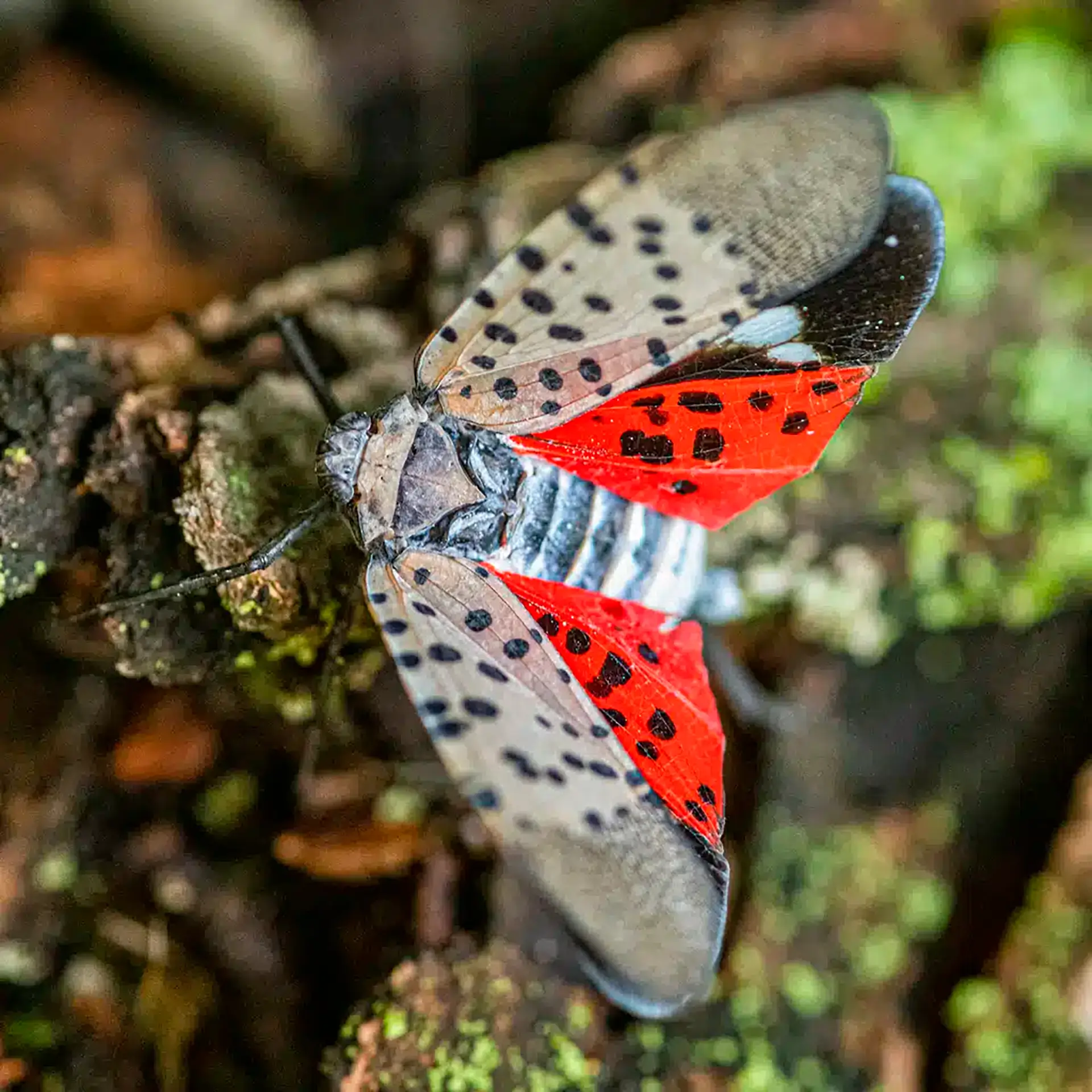
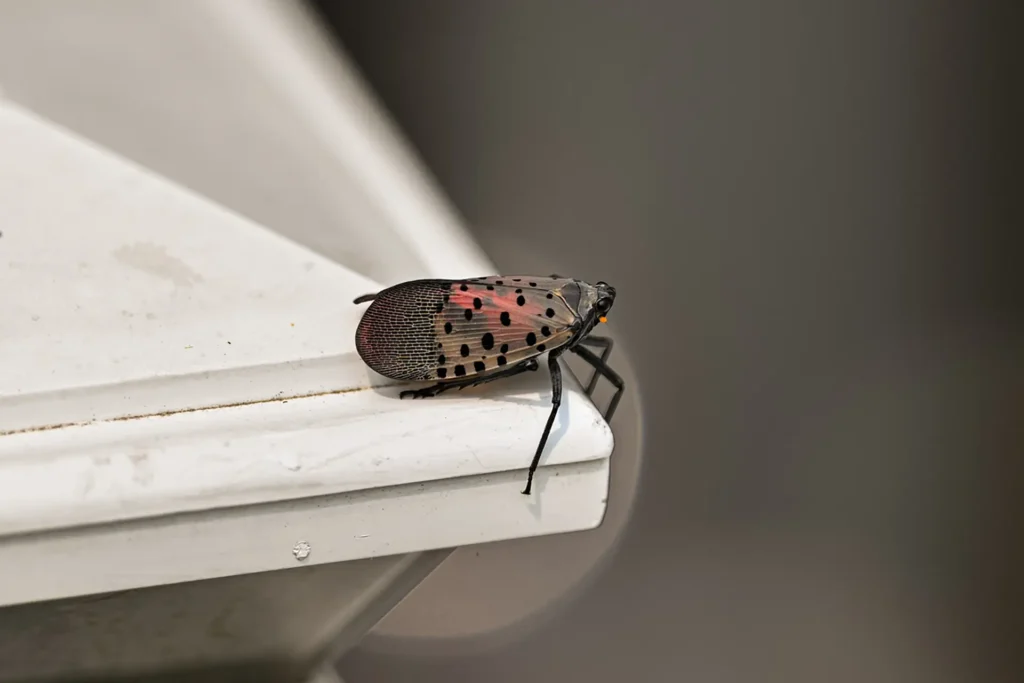
The easiest way to recognize a spotted lanternfly is by its distinctive coloring. Adults are about an inch long, and their appearance changes depending on whether their wings are open or closed.
- Adult spotted lanternflies: When folded, their wings are grayish-tan with black spots. When spread, bright red wings with black spots and a white band become visible.
- Nymphs: Nymphs start out black with white spots. As they mature, they develop red coloring along with black-and-white markings.
- Egg masses: During the fall and winter, look for tan or grayish-brown masses that resemble dried mud on tree trunks, branches, outdoor furniture, siding, trailers, and other hard surfaces.
These egg masses are particularly important because they allow spotted lanternflies to spread to new locations. An egg mass attached to a vehicle, boat, or piece of outdoor equipment can travel much farther than the insect could on its own.
When Are Spotted Lanternflies Active in Tennessee?
Spotted lanternflies complete one life cycle each year, so what you see depends on the season:
- Late spring: Eggs hatch, and small black nymphs with white spots climb trees to feed on new growth.
- Mid-summer: Nymphs turn red, and the first winged adults appear, usually around July.
- Late summer through fall: Adults are most noticeable and begin laying egg masses, typically starting in September.
- Winter: Adults die off after hard freezes, but egg masses survive on trees and outdoor surfaces until they hatch in spring.
That makes fall and winter the best time to look for and destroy egg masses. For Tennessee-specific updates, see the University of Tennessee’s spotted lanternfly page.
Why Are Spotted Lanternflies a Concern?
Spotted lanternflies weaken trees and crops and spread easily to new areas. They feed on plants by using their piercing mouthparts to draw out sap and nutrients. Their preferred host is the tree of heaven, which is also an invasive species. However, spotted lanternflies also feed on a wide range of other plants, including grapevines, apple trees, maples, walnuts, and other fruit and ornamental trees.
As they feed, they produce a sticky substance called honeydew. This residue can accumulate on surfaces beneath infested plants and encourage the growth of sooty mold, creating an unpleasant mess around yards and outdoor spaces.
Large populations can stress plants and threaten agricultural operations, particularly vineyards and orchards. That’s why early detection matters. Identifying and reporting new sightings helps Tennessee officials monitor populations and respond before they become more established.
The good news: spotted lanternflies are not considered a direct threat to people or pets. They don’t bite or sting. The primary concern is the damage they can cause to plants and the potential to spread throughout the state.
What Should You Do If You Find One?
If you spot a spotted lanternfly around your home, don’t panic. Here are a few steps you can take to help prevent its spread.
- Take a photo and write down the location. Get a clear picture of the insect or egg mass, and note the date, town, and county where you found it. This information helps officials determine where the pest is appearing.
- Report the sighting. Submit your report through the Tennessee Department of Agriculture’s official Report a Pest page. Reporting suspected sightings helps state officials monitor the spread of this invasive insect.
- Destroy the insect or egg mass. After documenting the sighting, crush adults and nymphs, and scrape egg masses off with a plastic card or putty knife into a bag or container of rubbing alcohol or hand sanitizer to kill the eggs. For the latest Tennessee guidance, visit the state’s spotted lanternfly page.
- Check your outdoor belongings before traveling. Before moving vehicles, campers, trailers, boats, firewood, or outdoor furniture from an area where spotted lanternflies have been found, inspect them for insects and egg masses. Removing any you find before you travel helps keep the pest from spreading to new areas.
- Keep an eye on your property. Pay attention to trees, shrubs, outdoor furniture, and other surfaces around your yard. If you notice unusual insect activity or something you can’t identify, take a photo and send it to a U.S. Pest Pro for help.
How Can U.S. Pest Protection Help With Spotted Lanternflies?
At U.S. Pest Protection, we believe the best approach to pest management is prevention. Our Pest Pros work throughout Middle Tennessee, including Nashville, Hermitage, Mt. Juliet, Lebanon, Hendersonville, and Gallatin, helping homeowners identify pest activity and understand what they can do to protect their properties.
Invasive insects like the spotted lanternfly are a good reminder of why awareness matters. Not every strange bug means an infestation, and not every pest requires the same treatment. Proper identification is the first step toward making the right decision for your home and family.
Take a photo of what you found and contact our team. A U.S. Pest Pro can help you identify the insect, let you know whether it should be reported to the state, and recommend next steps to protect your home. Call us at 615.590.1260 or schedule a free inspection HERE.