
April Showers Bring Ant Invasions

We know you’ve heard the saying, “April showers bring May flowers.” But have you ever heard of April showers bringing ant invasions? If you’ve started noticing more ants after a heavy rainfall, we promise you it’s not a coincidence.
As the rain starts to get heavier and more consistent in April, homeowners start to see an increase in ant activity. Okay, we understand how this might be poor timing for your home, especially with the weather warming up. But there’s a very good reason why you see more ants appearing all over your house after a rainstorm. Stay ahead of the problem now before a small inconvenience turns into a full-blown infestation later.
Why You’re Seeing More Ants After a Rainstorm
One of the most common misconceptions people often believe is that the ants they see are the entire problem. But in reality, that’s only half the ants you actually have in your home.
Ant colonies can be anywhere from a few thousand to hundreds of thousands. The ones you do see are typically worker ants that are sent out to search for food and other nutrients they need to survive. Don’t get me wrong, they look harmless at first. However, they’re constantly communicating with the rest of the colony that you’re unaware of.
Ants leave behind pheromone trails, which are chemical signals to mark paths, locate food, and identify new areas to build their nests. These trails will typically guide the rest of the colony to their sources.
Now, if the source of the problem doesn’t get addressed in a timely manner, the colony will continue to grow. And you don’t want that to happen because it only makes things worse.
Common Areas Ants Invade After it Rains
We all have areas we love to spend most of our time in. Whether it’s your living room, a coffee shop, or outside in nature, you’re almost always there. And that’s the same for ants, especially after a heavy rainfall. It’s important to keep an eye on these specific spots so that you can catch the problem early.
Kitchens
The place where we get to enjoy all our meals is also a hotspot for ants. For instance, any crumbs, spills, or food left out will have them racing to your kitchen in just a few minutes.
Bathrooms
Like most insects, ants are drawn to moisture. You may find them near sinks, bathtubs, and even toilets.
Basements and Crawlspaces
These areas often have higher humidity levels and easy access points because they’re typically areas we often avoid. I mean, who wants to spend time in a place that’s dark, humid, and creepy at times? That’s why ants and other pests thrive in these locations. They’ll choose any location where they will rarely ever get caught in.
Entry Points
Last but not least, those tiny cracks in the walls, doors, or windows are common places for ants to make their way inside. Leave it up to the pros to make sure every last one of them is sealed up tight.
As you can see, a messy home isn’t the problem. It doesn’t matter how clean you keep your house because ants can still be attracted to something as simple as a drop of water.
DIY Treatments vs. Long-Term Solutions
Okay, be honest with us for a second. You’ve tried to temporarily fix a pest problem with a DIY product from the store at least once. The good news is that you’re not the only one who has done this. When ants appear, many homeowners go for the first thing they think of. And that’s typically whatever is on the shelf at the store.
Here’s the truth about why DIY products aren’t recommended. While those products might be eliminating what you actually see, the root of the problem is still alive and well. In other words, the colony is still active and waiting for the perfect opportunity to invade your home.
By not having years of pest control experience, you’re probably using the wrong products to solve the problem. For example, using the wrong treatment will make things ten times worse by causing the colony to split, which is otherwise known as “budding.” Now, you might be wondering why you should even be worrying about this. Because it can lead to multiple colonies forming around your home, increasing the infestation over time.
Professional treatments are the safest and most effective route to take when it comes to eliminating a pest population. Because when you find both the visible pests and the hidden colonies, you’re winning at long-term control.
How U.S. Pest Can Help Keep Ants Out of Your Home
We understand that ant invasions are more than just frustrating. They can be a huge distraction to your day-to-day responsibilities. That’s why our team at U.S. Pest takes time to create a plan that works for you. Our approach goes beyond the DIY treatments and actually targets where the problem started.

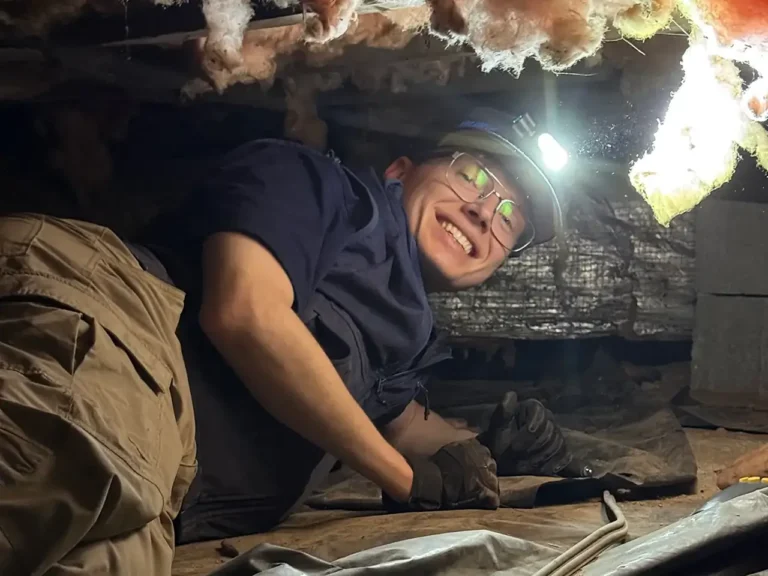
When you schedule your first service with us, we start with a thorough inspection of your home. This gives us the chance to identify what pests are present, the entry points, moisture issues, and nesting sites before we take action. From there, we create a customized treatment plan that’s designed specifically for your home. And this includes everything from perimeter treatments to interior services.
Our mission isn’t just eliminating the pests you see today. It’s actually much bigger than that. We promise to do whatever it takes for them to never bother you again.
Prevention Tips that ALL Homeowners Should Keep in Mind
Obviously, hiring a trusted pest control company is the best and most reliable solution to your pest problems. But there are ways you can prevent the infestation before we arrive.
First, it’s absolutely crucial to walk all around your house and seek out any open entry points. If you find any that are small enough for an ant to squeeze through, seal it up immediately. If you’re not sure how to close up a gap, take note of the location and show us at your inspection.
Next, keep every surface clean and organized. Unlike you and I, pests adore clutter and messy areas. It gives them more access to the necessities they need to survive, such as food, water, and shelter. So, we recommend getting busy wiping down counters and vacuuming the floors regularly to take away their hotspots.
Also, make sure you put all leftover food in air-tight containers. Ants will do anything to find food to bring back to their colonies.
Address any concerns related to moisture issues. It’s important to check on your basement and crawlspaces every once in a while to make sure there’s no unexpected leaks going on.
Lastly, stay up-to-date on yard maintenance. You can do this by keeping your landscape looking fresh, trimming your yard, and picking up any debris lying around outside. Pests are attracted to all of these things because as we mentioned above, they thrive in messy areas.
Don’t Wait Until it Gets Worse. Schedule Your FREE Inspection Now!
There is one mistake that every homeowner continues to make, and that’s waiting too long to address a pest problem. What might start as a few ants wandering inside your home after a rainstorm can quickly turn into your worst nightmare.
It’s important to remember that ants won’t stop until they find what they’re looking for. They have to protect their colonies by providing them with food from your home. So, if you’re seeing ants this spring, it’s a sign that their colony isn’t far behind. They’re actually much closer than you think.
While April showers bring May flowers, they don’t have to bring ants into your home. Take action now by scheduling your free inspection or by giving us a call at 615.590.1260. We’re here for you!