
Bugs in Your Flour? How to Check For and Prevent Pantry Pests

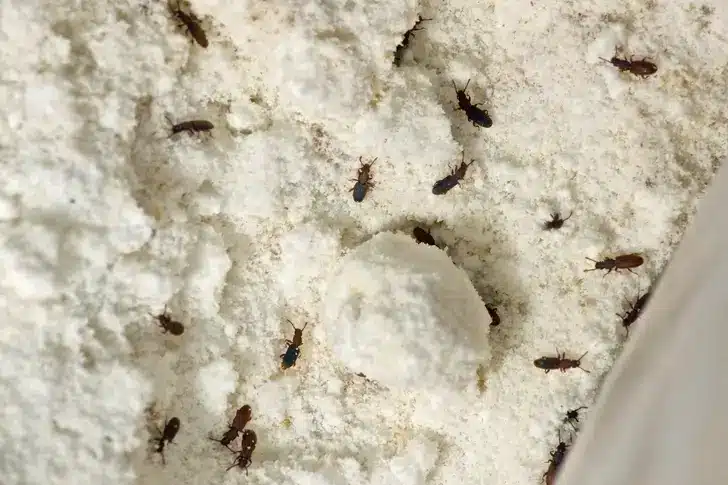
It’s holiday baking season. You pull out the flour for Grandma’s famous cookies, scoop out a cup, and suddenly the flour looks like it’s moving. If you’ve ever found tiny bugs, webbing, or little clumps in your flour or cereal, you’ve got pantry pests. It can happen in a clean kitchen — and knowing what you’re dealing with makes it a lot easier to fix.
What Are Pantry Pests?
Pantry pests are small moths and beetles that infest flour, grains, spices, and other dry foods. In Tennessee, the most common ones are Indian meal moths, cigarette and drugstore beetles, weevils, and flour and grain beetles.
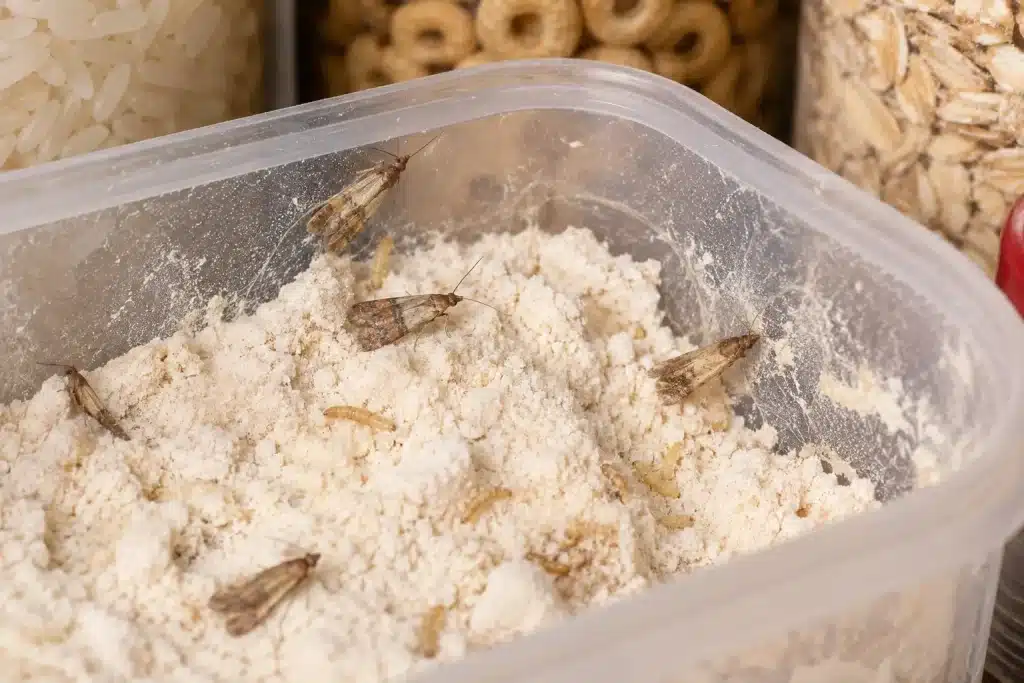
With beetles, both adults and larvae feed on your food. With moths, it’s only the larvae — so if you’re seeing moths fluttering around your kitchen, their larvae are likely tucked away inside a package somewhere.
Common Pantry Pests in Tennessee Kitchens
| Pantry Pest | What It Looks Like | Where You’ll Find It |
|---|---|---|
| Indian meal moths | Small moths; larvae leave silky webbing | Flour, grains, nuts, cereal, dried fruit, pet food, birdseed |
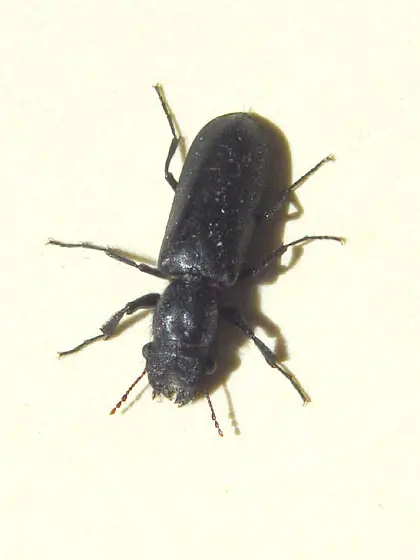
| Cigarette and drugstore beetles | Tiny, reddish-brown, oval, slightly humpbacked | Spices (especially paprika and chili powder), flour, cereal, pet food |
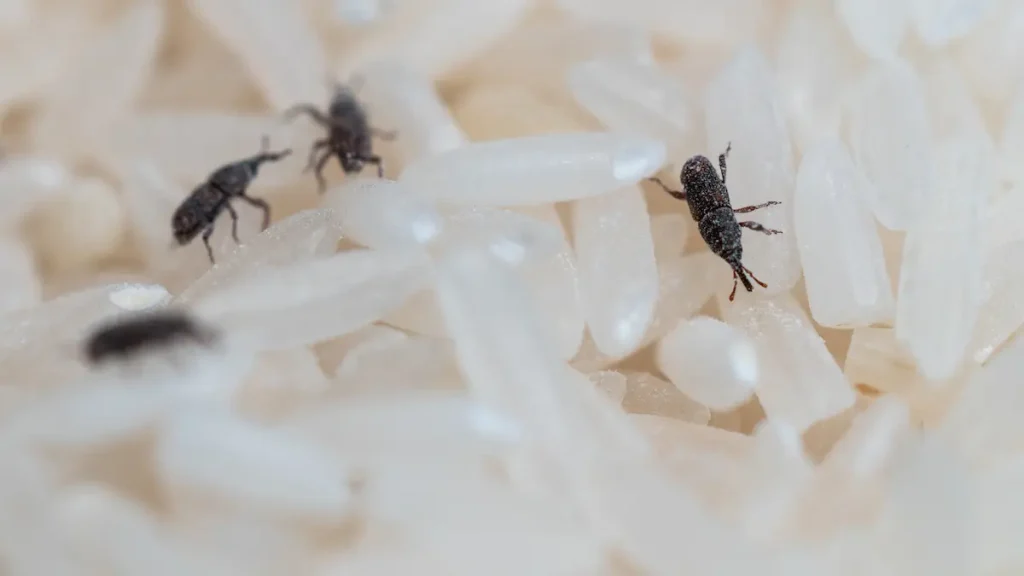
| Rice, granary, and maize weevils | About 1/8 inch, reddish-brown to black, with a snout | Rice, whole grains, popcorn, corn |
| Flour and grain beetles | Tiny, slender, reddish-brown, no snout | Flour, cereal, and processed grain products |
How Do Bugs Get Into Flour and Pantry Items?
Pantry pests aren’t a sign of a dirty kitchen. Most of the time, they come home from the store already inside the package. Weevils, for example, often develop inside whole grains before the bag ever reaches your shelf.
Once inside your pantry, they don’t stay put. Pantry pests spread from one package to another, and many can chew right through paper, cardboard, and thin plastic. Cigarette beetles can go through several generations a year in a warm, well-stocked home, so a single infested box of crackers can turn into a much larger problem quickly.
Signs of Pantry Pests to Look For
These pests are small, but they leave clues. Here’s what to check for:
- Small beetles. Tiny bugs crawling in or around flour, spices, cereal, or pet food.
- Webbing or clumps. Silky threads or clumped material in flour, grains, or nuts — a reliable indicator of Indian meal moth larvae.
- Tiny holes. Small round holes in whole grains or dried beans, where weevils chewed their way out.
- Bugs near windows. Moths or tiny beetles near kitchen windows and lights. They’re drawn to light, so you may spot them far from the food they came from.
Seeing small moths but not sure what kind? Our Moth ID Guide can help you tell pantry moths apart from the ones that wander in from outside.
How to Check Your Pantry for Bugs: A Step-by-Step Guide
Think you might have pantry pests? Set aside about 30 minutes, grab a trash bag, and work through these steps.
Step 1: Empty the shelves.
Take everything out of your pantry or cabinets so you can see every item and every corner. It’s the only way to make sure you don’t miss anything.
Step 2: Check every dry food item.
Go through flour, spices, cereal, pasta, rice, and baking mixes. Don’t overlook the easy-to-miss spots: pet food, birdseed, dried flowers, and decorative items made with seeds or grains.
Step 3: Look closely for signs.
Check for live bugs, webbing, clumps, and small holes in packages and grains. Pour a little flour onto a white plate if you need a closer look.
Step 4: Toss anything infested.
Seal infested items in a bag and throw them in your outdoor trash so the bugs can’t find their way back inside.
Step 5: Clean your shelves.
Vacuum shelves, cracks, and corners to pick up crumbs, eggs, and larvae, then wipe everything down with soapy water. Skip the bug spray — insecticides aren’t recommended in food storage areas.
Step 6: Restock the smart way.
Before putting food back, move dry goods into airtight containers. Your food will be better protected, and your pantry will look more organized as a bonus.

How to Keep Bugs Out of Your Pantry
Once your pantry is clear, a few simple habits go a long way toward keeping it that way:
- Airtight containers. Store dry food in glass, metal, or thick plastic containers with tight-fitting lids. This stops any bugs that made it home from the store from spreading to other packages.
- The freezer trick. Freeze new flour, grains, and spices for several days before storing them. This kills any eggs or larvae already inside — a great habit to start before stocking up for holiday baking.
- Buy smaller amounts. Purchase only what you’ll use within a few months so pests don’t have time to build up between uses.
- Clean shelves regularly. Vacuum crumbs and spills from cracks and corners where eggs and larvae can hide.
- Pheromone traps. These sticky traps catch male moths and can help you catch a problem early. They won’t eliminate an infestation on their own, but they’re useful for monitoring.
When Should You Call a Professional?
Most pantry pest problems can be solved with a thorough cleanout. But if the bugs keep coming back, there’s likely a source you can’t see — behind an appliance, inside a wall, or in a forgotten bag of pet food or birdseed in the garage. If you’ve emptied and cleaned everything and they’re still showing up, it’s time to call in a professional.
U.S. Pest Protection offers free inspections. Our Pest Pros will track down the hidden source, put together a plan, and get your kitchen back to normal before the holiday baking really gets underway. Call us at 615.590.1260 or schedule a free inspection.