

Myth or Fact? What Homeowners Should Know About Rodents

Rats and mice are some of the most stereotyped pests around. With decades of cartoons, horror movies, and urban legends shaping the narrative, there’s a lot of misinformation floating around. Here are the facts — and what you can do to keep rodents out of your home.
Rats and Mice in Tennessee
Before getting into the myths, it helps to know which rodents you’re actually dealing with in Middle Tennessee.
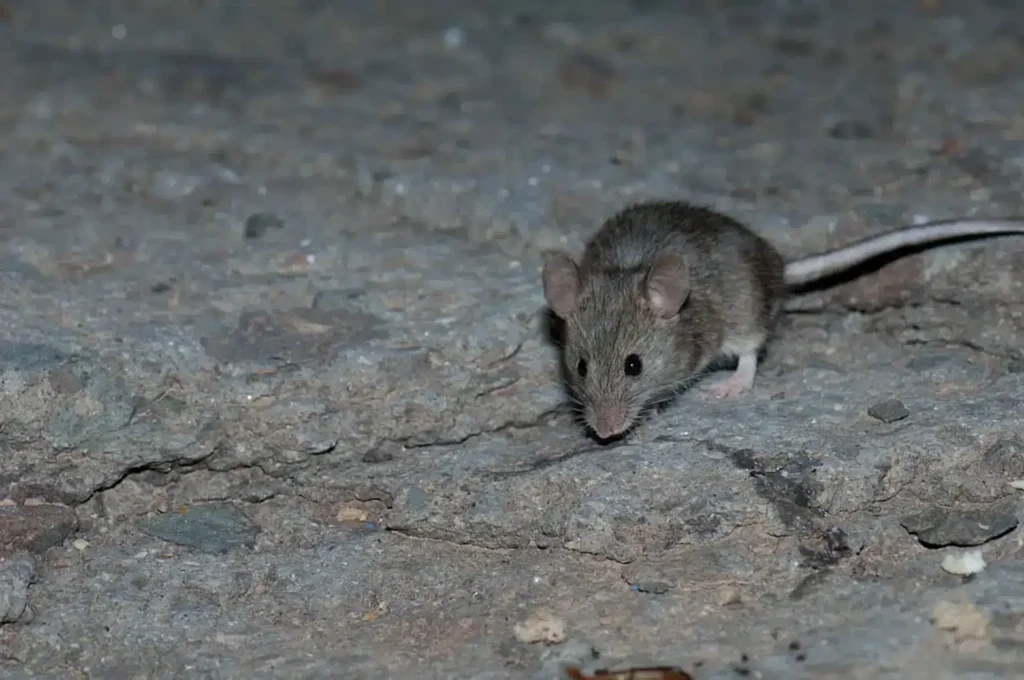
- House mouse: The most common species found in Tennessee homes. Small — about 5.5 to 7 inches from head to tail tip — grayish-brown, and typically nesting in walls, kitchens, and pantries.
- Deer mouse: Identified by a two-toned body with a pale or white underbelly and noticeably larger ears than the house mouse. Found more often in rural areas, entering homes, garages, and sheds. Deer mice are the main carrier of hantavirus in the U.S., a rare but serious illness people can catch by breathing in dust from infected droppings.
- Norway rat: Large, brown, heavy-bodied rats with shaggy fur and blunt noses, typically 7 to 10 inches long without the tail. They burrow at ground level and enter homes through foundations and crawl spaces.
- Roof rat: Dark brown or black with slender bodies and tails longer than their bodies (often 6.5 to 10 inches). That long tail acts as a counterweight, making them agile climbers. Roof rats are usually found nesting in attics or the upper levels of buildings.

Common Rodent Myths — Separated From the Facts
Myth: Cheese is the best bait for mice.
Cheese is always shown as a mouse delicacy in the media. While mice will eat it, it’s not what they actually go after. Mice naturally prefer seeds, grass, cereal grains, tree nuts, wild berries, and small insects. Inside a home, they’ll target breakfast cereal, oats, rice, pasta, flour, dry dog food, peanut butter, and livestock feed.
Making sure all food — including pet food and pantry staples — is properly sealed is one of the most effective ways to cut off a potential infestation. Mice can chew through flour bags and cereal boxes, so transferring these items into glass, metal, or thick plastic containers is worth doing.
Myth: If you have a cat, you won’t have rodents.
Cats are useful for catching the occasional mouse or rat that wanders into the open, but they can’t stop a real infestation. Rodents breed far faster than any cat can hunt. They also hide and breed in places completely out of reach — inside walls, under floors, in crawl spaces — before the population grows large enough to be obvious.
Mice can fit through gaps as small as a quarter inch, and rats through gaps as small as a half inch, which means a colony can grow undetected for weeks. Your cat or dog may actually tip you off before you notice anything else — pets often start scratching at walls and floorboards when they can hear or smell rodent activity behind them. That’s a useful signal, but it’s not a solution.

There’s also a real health risk in letting pets confront rodents directly. Rats will fight back and have sharp enough incisors to seriously injure a cat or dog. Both mice and rats carry diseases that can be transmitted through a single bite or scratch. Let your pets be pets, and call in a professional to handle the actual problem.
Fact and myth: Rats are dirty.
Rats have a reputation for being disease-ridden creatures that live in sewers and dumpsters — and that part is accurate. They are regularly found in garbage bins, sewers, basements, and crawl spaces. What surprises most people is that rats actually groom themselves frequently throughout the day, and often groom each other as a form of social bonding.

So rats aren’t inherently dirty, but the environments they move through and the diseases they carry and transmit through saliva and feces make them a genuine health risk inside your home. This one comes out as a split verdict.
Fact: Rats can crawl up your toilet.
This one sounds like an urban legend but it’s well-documented. Rats are strong swimmers capable of holding their breath for several minutes and treading water for extended periods. Their flexible bodies let them navigate the water traps inside plumbing lines without much difficulty.
Sewer systems are ideal foraging territory — the organic waste washed down kitchen drains is a consistent food source. Rats follow air currents up the lateral lines connecting a home’s plumbing to main city sewer lines, and the exit point can be a kitchen drain or toilet bowl. If you’ve ever needed a reason to keep the lid down, this is it.
What You Can Do to Reduce Rodent Pressure
A few consistent habits make a real difference. Seal all doors, windows, cracks, and crevices — even small gaps, since rodents can fit through spaces most people wouldn’t think twice about. Transfer packaged pantry items like cereal, oatmeal, pet food, and baking ingredients into glass or thick plastic containers. Mice and rats can chew through cardboard and paper packaging, and an easy food source is a major reason they stick around.
How U.S. Pest Protection Can Help
DIY steps reduce risk, but no home treatment catches everything. At U.S. Pest Protection, we treat year-round to keep your home consistently protected. We offer free inspections, so if you’re seeing rodent activity around your home or neighborhood, give us a call. We’ll find the problem, put together a plan, and get you on track to a pest-free home. Call us at 615.590.1260 or schedule on online.


