

Ticks: Everything You Should Know
The past month, we’ve thrown a lot of information at you regarding ticks and J.K.’s experience with a tick-borne illness. While we hope you did, we realize that reading every single blog to the end may be overwhelming. So, to wrap up this series, we’ve put together a more digestible summary with the most important things to know when it comes to ticks.
Where Are Ticks Found?
Ticks need specific conditions in their resting spots to survive. If it’s too hot or sunny, they will dry out. They also can’t fly or jump, so they are at the mercy of other animals they can catch a ride on, or how far conditions allow them to crawl when it comes to their location. This means that ticks will show up in your yard in the same kinds of places each year.
Leaf litter and ground cover is a big one. These spots stay shaded and damp, providing ticks with the perfect shelter. They also don’t get cleared often, so ticks can stay hidden year-round.
Another hotspot is the tree line, or the edge of your yard where the grass may be longer. Again, these spots provide shade. They also allow ticks to sit at the perfect height for questing, which is how they latch onto humans and animals.
Finally, ticks may also be hiding under backyard playsets, benches, decks, and wood piles. The ground beneath these areas stays damp and shaded, and these are also places with heavy human and animal traffic, giving ticks ample opportunity to attach.
To combat tick activity in these places, make sure you clear leaf litter regularly, keep the edge of your yard trimmed back, move playsets and outdoor furniture to sunny areas if possible. We also recommend getting U.S. Pest’s professional treatment to help reduce tick activity all year long.
What Kind of Ticks Live in Tennessee?
There are many species of ticks in Tennessee, but the illnesses hospitals see most are transmitted by the Lone Star Tick, the American Dog Tick, and the Blacklegged Tick.
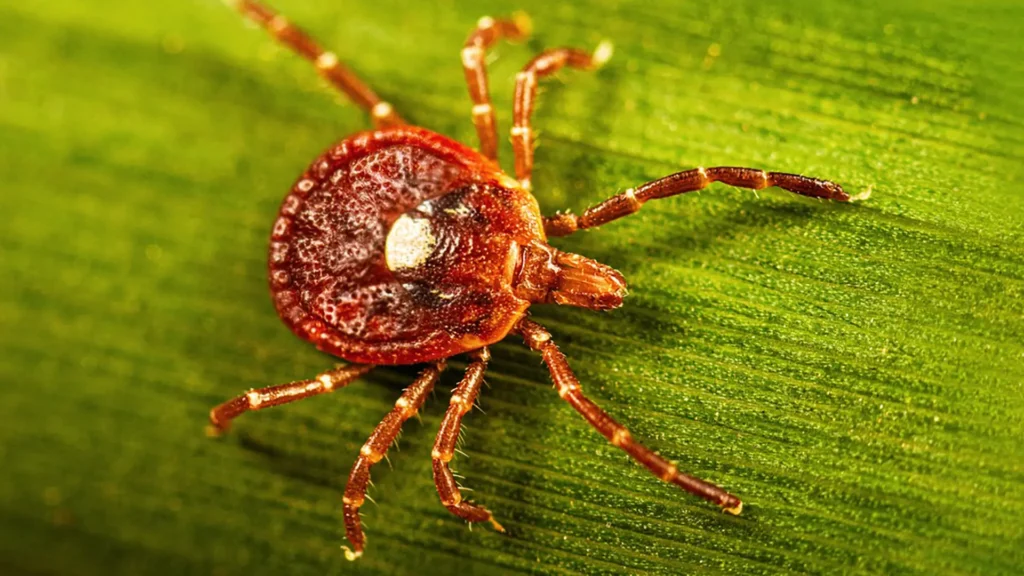
J.K. was bitten by a Lone Star Tick. These ticks are identified by a single, white or cream-colored dot on the backs of females. They can transmit Ehrlichiosis — what J.K. was diagnosed with — as well as other illnesses like STARI, Heartland and Bourbon Virus, Tularemia, and Alpha-gal Syndrome. Lone Star Ticks are aggressive by tick standards and will move toward a host rather than waiting for one to pass by.
The American Dog Tick is a larger tick and appears reddish brown with white markings. It requires a different host for each stage of its life cycle and can cause diseases such as Rocky Mountain Spotted Fever and Tularemia.
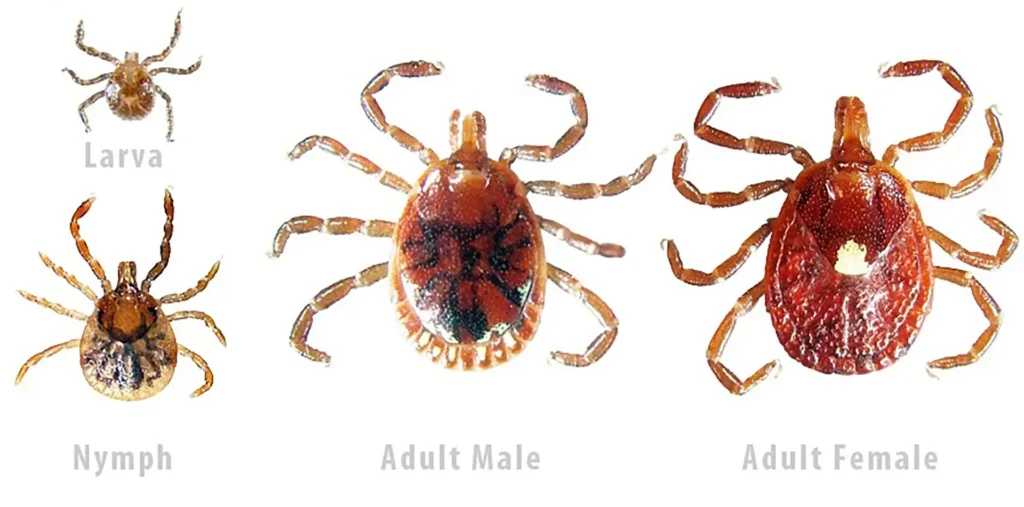
Finally, the Blacklegged Tick, or Deer Tick. These ticks are known for spreading Lyme Disease, though the diagnosis is rare here in Tennessee. Most cases are found in the northeast, while the south sees more of the other diseases Blacklegged Ticks can spread, like Ehrlichiosis and Anaplasmosis.
What to Do If You Find a Tick
If you find a tick on yourself, a family member, or a pet — don’t panic. Calmly remove the tick by taking tweezers or a tick removal tool and positioning them as close to the tick’s head as you can get. Then, pull upwards gently but firmly. Do not twist or pull sideways.
Once the tick is removed, take a picture or put it in a bag and take note of when you pulled it off, where it was, and what kind of tick if you’re able to tell. This will help a doctor identify the illness if you do get sick from the bite.
If you start having flu-like symptoms and you know you had a tick bite, go to the doctor immediately. With these illnesses, the quicker you start treatment the better. You don’t need to identify the type of tick or the illness before starting. A doctor will put you on Doxycycline, an antibiotic prescribed as treatment for most tick-borne diseases. Waiting for a lab result or to see if you get better on your own will do more harm than good in these cases.
We don’t say all this to scare you, but to urge you to prepare well. Most tick bites are harmless, but the more exposures you have, the more likely you are to get sick. This is why it’s so important to be consistent with lawn care and treatment and to do tick checks after being outside.

The U.S. Pest Difference
At U.S. Pest, our tick control yard treatments run year-round. It’s widely believed that ticks stop feeding during the winter months. This is incorrect. Ticks can be active all year round, any time the temperature rises to 45 degrees or higher. Tennesseans know that even through December and January, we see days that warm or even warmer.
Some ticks, like the Blacklegged Tick, thrive during the cooler months. That’s why we keep our program going all year. We target active ticks and larvae so that when the next spring and summer comes around, tick activity around your home is already reduced. We take a proactive approach rather than reacting to new, heavy populations each season.
There is no method of protection that is completely tick-proof. But there are ways to reduce your exposure, and that’s the best way to avoid getting sick. We don’t want anyone to go through what J.K. did. Share his story, heed our advice, and let us help protect your home!
Schedule a free inspection online or call us at 615.590.1260.
FAQs
Does every tick bite cause an illness?
No, most tick bites are harmless and may go completely unnoticed. However, it’s always better to be safe than sorry. This is why we recommend doing tick checks after being outside and monitoring for symptoms if you know you had a tick on you.
When are ticks active?
While most tick species have higher activity during the summer months, ticks never completely go away. They can be active anytime the temperature reaches 45 degrees or above. In the south, this means you could be exposed to ticks even on some days in December and January.
What does a tick bite look like?
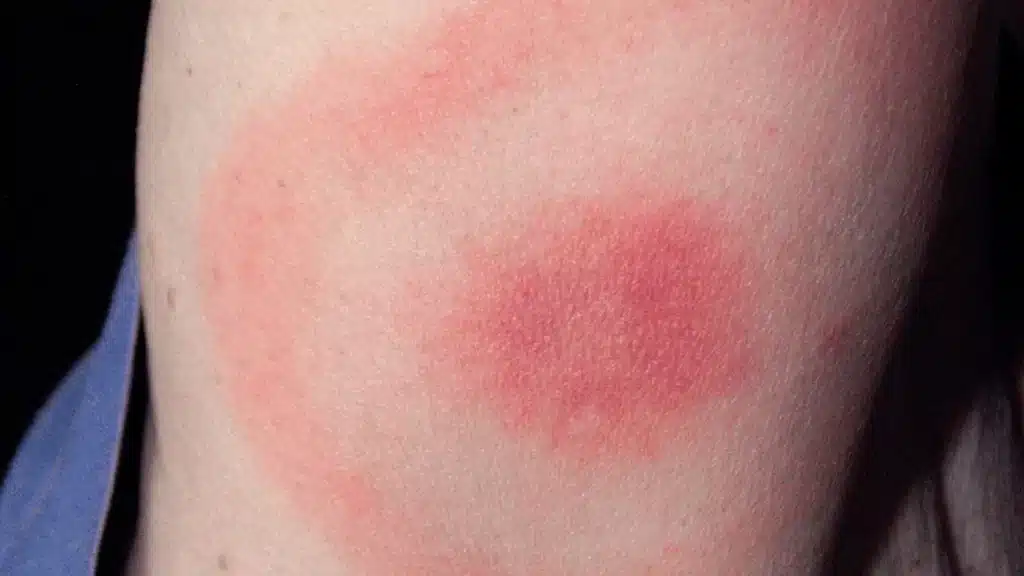
If the tick is still latched, you will see a dark, raised dot on your skin where the head is buried. The body will look engorged if they have been on you for a time. If the tick has already fallen off, the bite area may look red and irritated. Most times, this is all that develops, or the area may become slightly infected. However, if you start to see a rash or notice any other symptoms, go to a doctor immediately.
How can I protect my home and family?
Reducing tick activity in your yard can be done by clearing leaf litter, creating a barrier of wood chips or gravel between your yard and the tree line, managing deer and rodent activity on your property (since they are tick hosts), and moving benches, play sets, furniture, etc. into sunlit areas instead of damp, shady corners.
DIY treatments are a great start, but it’s also important to have your yard professionally sprayed to kill active ticks and larvae and to help control the hiding spots you can’t get rid of on your own.
U.S. Pest Protection is a pest control company. We are not medical providers, and this content is not medical advice, diagnosis, or treatment. If you have been bitten by a tick or are experiencing symptoms you believe may be related to a tick bite, contact your physician or seek medical care. Do not delay medical care based on anything you read here. Our services reduce tick populations on your property. They are exposure-reducing measures. They do not prevent, treat, or cure any illness.