The ER Found Nothing. Two Days Later He Was Back.
The fever came on a Saturday, two days after the tick was removed. By that evening, J.K. was in the emergency room.
They ran the tests you would expect them to run. Nothing came back that explained his symptoms. They sent him home.
I need you to sit with that for a second, because that is the moment this whole series exists for. You go to the ER, they tell you they cannot find anything, and you decide you overreacted. You feel a little foolish. You go back to work and you stop thinking about the tick.
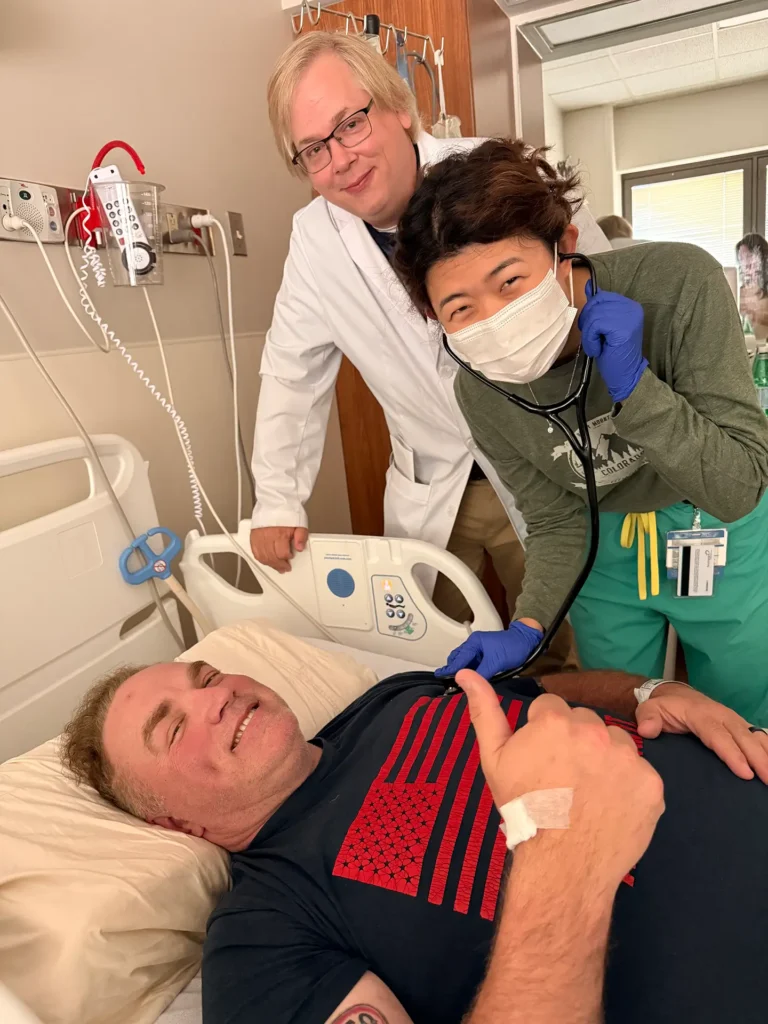
That’s what happened to us. Yet two days later, J.K. was back in the emergency room, and this time nobody was sending anybody home.
Why Do Tick-Borne Illness Tests Come Back Negative at First?
In the first week, there is usually nothing to find yet.
The blood tests for these illnesses often look for antibodies, and your body takes time to make them. The CDC notes that a single early antibody test can come back negative in someone who is genuinely infected, and that confirming a case usually requires a second sample drawn weeks later to compare against the first.

The early symptoms do not help either. Fever, headache, body aches, nausea — that describes half the people in any waiting room in Tennessee in August. There is often no rash, and when a rash does show up, it can arrive late or not at all.
None of that is a failure by the emergency room. It is the nature of the illness. Which is exactly why the burden falls on you to go back if you get worse.
How Long Does a Tick Have to Be Attached Before It Can Make You Sick?
Attachment time matters less here than most people think, and the number you have heard is probably the wrong one for Tennessee.
The widely repeated 36 to 48 hour attachment window comes from Lyme disease research. It is genuinely useful information if you live in Connecticut. But Tennessee’s tick illness profile is different — our most reported tick-borne diseases are bacterial infections that do not follow that timeline, and some can transmit considerably faster.
If somebody tells you a tick was not on you long enough to matter, they are repeating advice written for a different part of the country. Watch for symptoms either way.
What Symptoms Should Send Me Back to the Doctor After a Tick Bite?
Most tick bites cause nothing. A little redness right at the bite is normal and is not an infection.
What warrants a call, generally within one to fourteen days of a known bite, is fever or chills, a headache that is worse than your usual headaches, deep muscle or joint aches, nausea or vomiting, or a rash — particularly small red dots or splotches, or a rash spreading out from the bite. Go immediately — not tomorrow — for swelling of the face, lips, or throat, or any trouble breathing.
J.K. had the fever the whole stretch. By the second ER visit he also had back pain that had gotten dramatically worse, a rash coming up on his belly where the tick had been, a headache unlike anything he had experienced, red eyes, sweating through his clothes, and dark urine.
They started him on antibiotics before any lab work confirmed a thing. That is the standard approach for suspected tick-borne illness, because waiting for confirmation is how these get serious. His doctors did exactly the right thing.
The Part I Want You to Take From This
Being sent home from the emergency room once is not a diagnosis. It means they did not find anything that day.
If you were bitten by a tick and you are getting worse instead of better, go back. Tell them about the tick again even if you already told them. Bring the date. Bring the photo if you took one.
Nobody is going to be annoyed with you. And if they are, that is a much smaller problem than the alternative.

FAQs
What are common symptoms of tick-borne illnesses?
Watch for symptoms within 30 days of a bite. Signs include:
- Fever or chills
- Aches and pains (headache, fatigue, muscle, and joint pain)
- Rashes
How do I remove an attached tick safely?
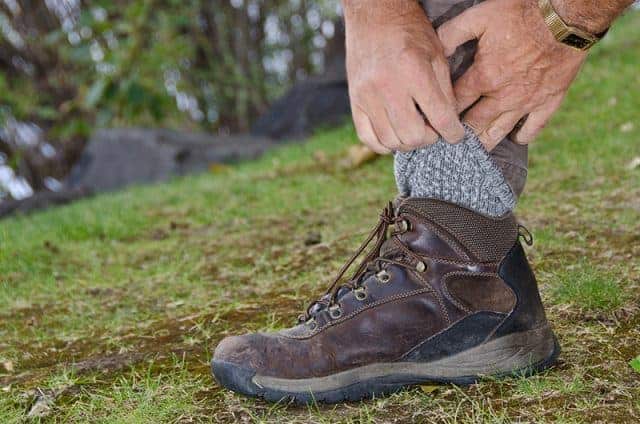
Use fine-tipped tweezers to grasp the tick as close to your skin’s surface as possible. Pull upward with steady, even pressure. Do not twist, jerk, or squeeze the body.
How do I protect my yard?
Mow grass frequently, clear tall brush, and remove leaf litter. Create a 3-foot-wide barrier with things like wood chips or gravel between your lawn and wooded areas to stop tick migration into recreational zones. For more active zones, have a professional come and treat your yard.
What are some common tick-borne illnesses?
In Middle Tennessee, the most common are:
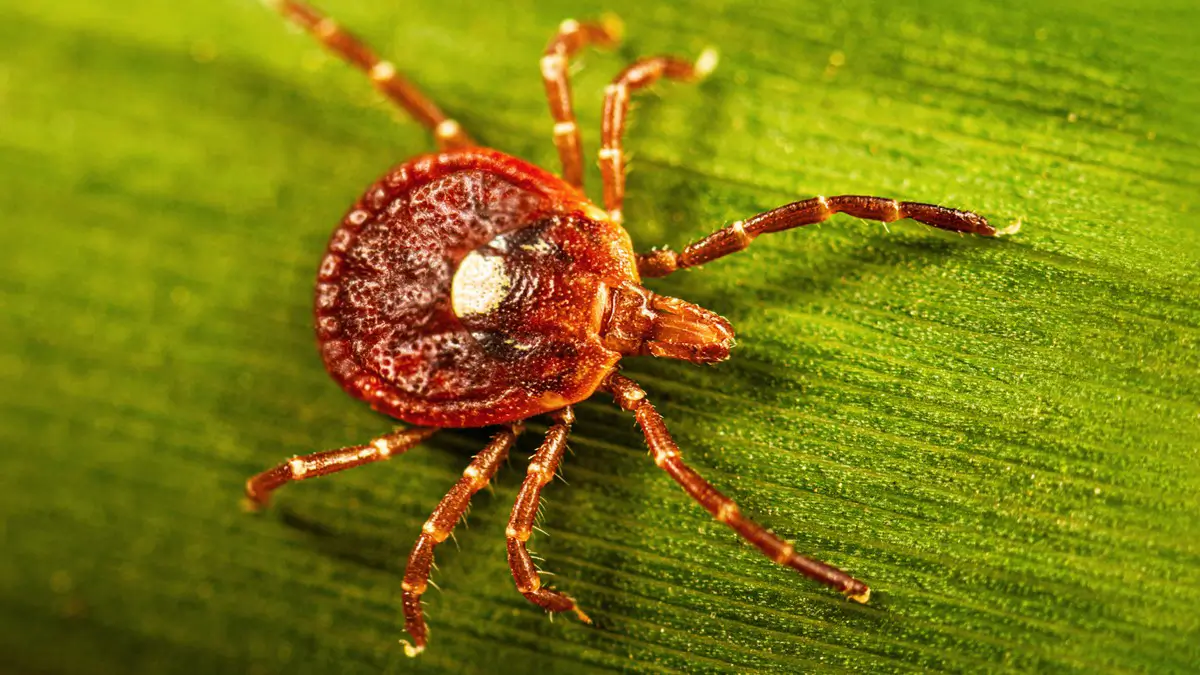
Ehrlichiosis is the general name used to describe diseases caused by the bacteria Ehrlichia chaffeensis, E. ewingii, or E. muris eauclairensis in the United States. These bacteria are spread to people primarily through the bite of infected ticks including the lone star tick (Amblyomma americanum) and the blacklegged tick (Ixodes scapularis). Symptoms include fever, muscle aches and headache. Without fast treatment, ehrlichiosis can have serious effects. Complications of an infection that isn’t treated may include: kidney failure, lung failure, heart failure, damage to the central nervous system, seizures, coma, and other serious infections.
Rocky Mountain Spotted Fever is caused by the bacteria Rickettsia rickettsii. It is primarily spread through the bite of infected ticks including the American Dog Tick, the Brown Dog Tick, and the Rocky Mountain Wood Tick. Symptoms include headache, fever and muscle aches. If not treated right away, the bacteria attack your blood vessels, muscle cells and tissues. This can lead to leaking blood vessels, excess fluid in your tissues and damage to your muscles, nerves and organs.
Alpha-Gal Syndrome — Alpha-gal is a molecule (galactose-α-1,3-galactose) that is naturally produced in the bodies of most mammals but not in people. It is also found in the saliva (spit) of some ticks. When a tick bites, it can transfer alpha-gal from its saliva into a person’s blood. The body’s natural defenses, or immune system, can identify alpha-gal as a threat and trigger an allergic reaction to red meat or other products made from mammals.
If you want someone to walk your property and show you where the ticks are concentrating, we will do it for free across Middle Tennessee. Schedule an inspection online or call us at 615.590.1260.
U.S. Pest offers complete tick pest control service for your home. The service includes species-specific tick treatment protocol, comprehensive yard and home inspection, treatment of all potential tick hiding spots, simultaneous protection against fleas and mosquitoes, ongoing monitoring and prevention, and our Industry-Leading Triple Guarantee.
This post describes pest biology and general public health information published by the Tennessee Department of Health and the Centers for Disease Control and Prevention. It is not medical advice, and it does not diagnose or treat any condition. If you are ill after a tick bite, contact a physician.