
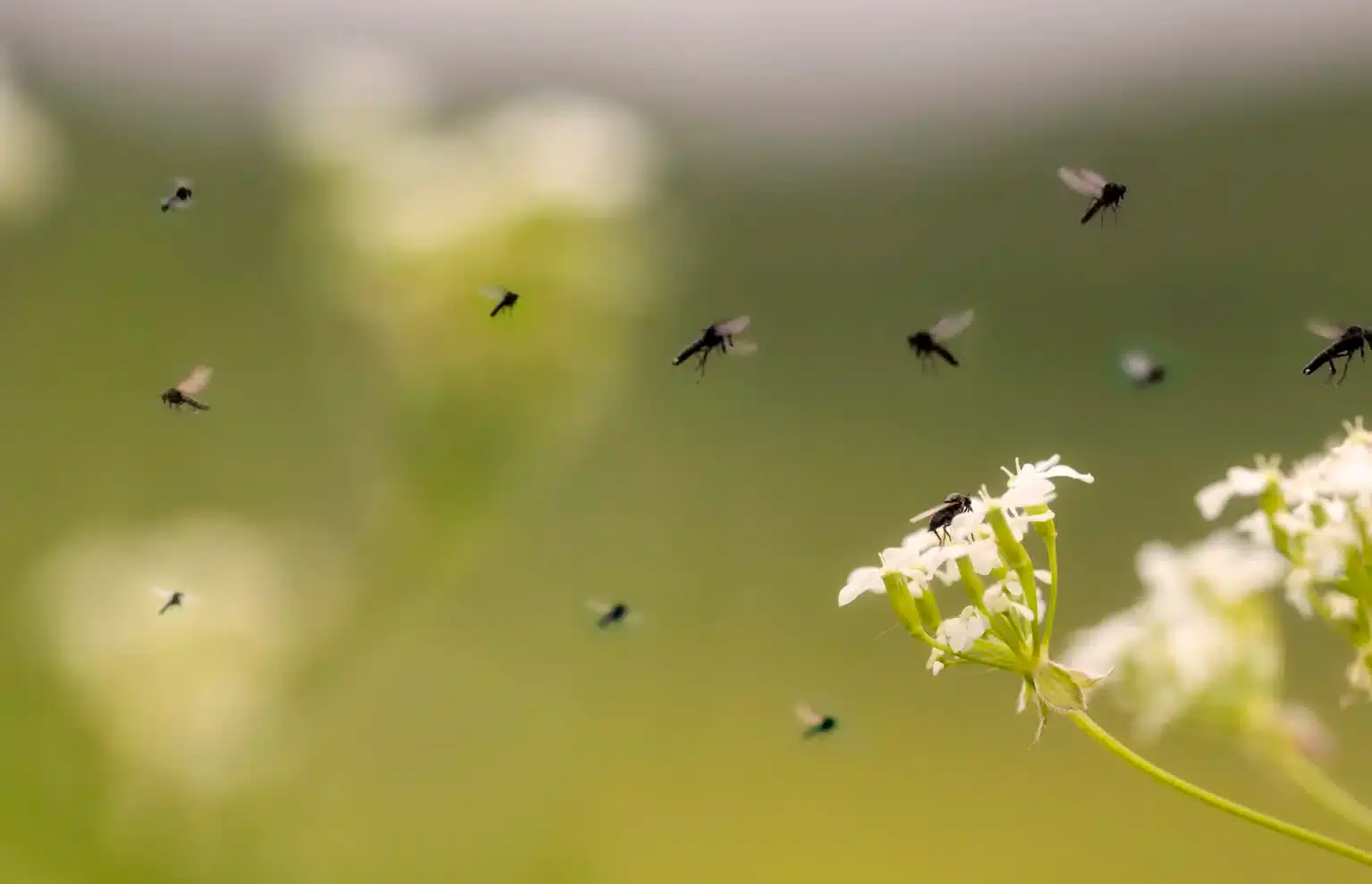
Gnats in Middle Tennessee: Why Are They So Bad in July?
If it feels like gnats are suddenly everywhere, you’re not imagining it. Every summer, homeowners across Middle Tennessee notice these tiny flying pests swarming around patios, gardens, garages, and even inside their homes. While they may seem harmless, large numbers of gnats can quickly become one of the most frustrating pests of the season.
So, why are they so bad this time of year? It all comes down to the perfect combination of heat, humidity, and moisture. Middle Tennessee’s warm summer temperatures, frequent afternoon rain showers, and high humidity create ideal breeding conditions for gnats. Standing water, damp soil, overwatered plants, clogged gutters, and even ripe fruit left on the counter can become breeding sites, allowing populations to explode seemingly overnight.
The good news is that understanding what attracts gnats is the first step to keeping them under control. In this guide, we’ll explain why gnats are so active during the summer, where they’re coming from, and what you can do to prevent them from taking over your home and yard.
First, Let’s Talk About What Gnats are Attracted To
If it seems like gnats are constantly finding their way into your home, it’s because they’re drawn to the things they need to survive. Warm temperatures, moisture, and organic material create the perfect environment for gnats to feed, breed, and multiply. During the hot, humid months in Middle Tennessee, these conditions become much more common, which is why homeowners often notice a sudden increase in gnat activity.
One of the biggest attractants for gnats is moisture. Standing water in sink drains, overwatered houseplants, clogged gutters, leaky pipes, or even damp areas around your home’s foundation can all provide ideal breeding grounds. Many species of gnats lay their eggs in moist soil or decaying organic matter, allowing populations to grow quickly if the source isn’t addressed.
Gnats are also highly attracted to food sources, especially anything that is beginning to ferment or decompose. Overripe fruit left on the counter, sugary drinks, food spills, trash cans, compost bins, and even residue inside recycling containers can attract them from surprising distances. Once they discover a reliable food source, they tend to stick around and continue reproducing nearby.
Outdoor lighting can also contribute to gnat problems. Many flying insects, including certain species of gnats, are attracted to porch lights, garage lights, and illuminated entryways during the evening. Once they gather around these areas, it’s easy for them to slip inside every time a door is opened.
Understanding what attracts gnats is the first step toward keeping them away. Eliminating excess moisture, storing food properly, taking out the trash regularly, and reducing standing water around your property can all help make your home less inviting.
How to Identify if the Problem is Bigger Than You Think
It’s easy to brush off a few gnats flying around the house, especially during the summer. But if you’re noticing them every day or finding yourself constantly swatting them away, there’s a good chance the problem is bigger than it appears. Gnats reproduce quickly, and by the time you’re seeing dozens of adults flying around, there may already be hundreds of eggs and larvae developing nearby.
One of the biggest signs of a larger issue is when the gnats never seem to go away. You may throw out old fruit, clean your kitchen, or empty the trash, only to find them back the next day. That’s often a sign they’re breeding somewhere else, such as in damp soil, a slow-moving drain, standing water, or another hidden source of moisture.
If you’re noticing gnats in more than one area of your home, it can also indicate that they’re not just passing through. Instead, they’re likely finding multiple places to breed and survive. Homes with excess moisture, overwatered houseplants, or plumbing leaks are especially vulnerable because these conditions create the perfect environment for gnats to multiply.
While gnats don’t typically cause structural damage like termites or carpenter ants, a persistent gnat problem often points to an underlying moisture issue that shouldn’t be ignored. Addressing the source early is the best way to stop the infestation before it continues to grow and becomes even more difficult to control.
Best Practices to Keep Them at Bay
While it’s nearly impossible to eliminate every gnat outdoors, there are several things homeowners can do to make their property far less inviting.
Start by reducing excess moisture wherever possible. Gnats thrive in damp environments, so repairing leaky faucets or pipes, cleaning clogged gutters, and eliminating standing water around your home can make a big difference. If you have houseplants, avoid overwatering them and allow the top layer of soil to dry out between waterings whenever appropriate.
Inside the home, keep your kitchen clean by wiping up spills, storing ripe fruits and vegetables properly, taking out the trash regularly, and cleaning food residue from sinks and countertops. It’s also a good idea to periodically clean your drains, as organic buildup inside them can become an ideal breeding ground for certain species of gnats.
Outside, keep landscaping well maintained by trimming overgrown vegetation, removing piles of decaying leaves or grass clippings, and avoiding excessive mulch buildup against your home’s foundation. These areas can hold moisture and provide ideal conditions for gnats to breed.
If you’ve tried these preventative measures and the gnats keep coming back, it’s time to call in a professional. A pest control expert can identify where the gnats are breeding, determine the species you’re dealing with, and recommend targeted treatments that address the source of the problem — not just the flying adults you see.
When to Call in the Professionals
If you’ve tried everything and the gnats just won’t go away, it’s time to let the professionals take a look. A recurring gnat problem often means there’s a hidden breeding source that isn’t easy to find, and simply treating the flying adults won’t solve the issue.
At U.S. Pest Protection, we offer free, no-obligation inspections to help identify exactly what’s causing the problem. Our trained professionals perform a comprehensive inspection of your property — from the crawlspace to the roof — looking for pest activity, moisture issues, and the conditions that allow pests like gnats to thrive. From there, we’ll provide a customized treatment plan designed specifically for your home and your needs.
For more than 40 years, Tennessee homeowners have trusted U.S. Pest to deliver family-safe pest solutions backed by our “Whatever It Takes” Guarantee. Whether you’re dealing with a persistent gnat infestation or simply want the peace of mind that your home is protected, our team is here to help.
Don’t let a small nuisance turn into a bigger problem. Schedule your free inspection today, and let U.S. Pest help you get back to enjoying a pest-free home. Call us at 615.590.1260 to get started.
