

Are Fleas a Threat to Your Pets?

Watching your dog chase squirrels or your cat lounge in the sunshine is one of the simple joys of being a pet owner. But while your pets are enjoying the outdoors, they could also be picking up some very unwanted hitchhikers. Fleas may be tiny, but they can cause much bigger problems than a little scratching. Left untreated, these pests can lead to skin irritation, allergic reactions, disease transmission, and even serious health complications for your pets. So, just how harmful are fleas?
How Do Fleas Find My Pet?
Fleas are surprisingly good at finding a host. They don’t fly, but they are incredible jumpers — capable of leaping more than 100 times their own body length. They often wait in tall grass, shaded landscaping, leaf litter, or other outdoor areas until a warm-blooded animal passes by. Once your dog or cat brushes against the area, the flea quickly jumps aboard.
Fleas are attracted to several things your pet naturally gives off, including body heat, movement, vibrations, and the carbon dioxide they exhale. These cues help fleas identify a nearby host and know when it’s the perfect time to jump.
How Fleas Attach Themselves
After landing on your pet, fleas immediately begin searching for a place to feed. Their flattened bodies allow them to move easily through your pet’s fur, while their backward-facing bristles help them stay securely in place. Using specialized mouthparts, fleas pierce the skin and feed on your pet’s blood.
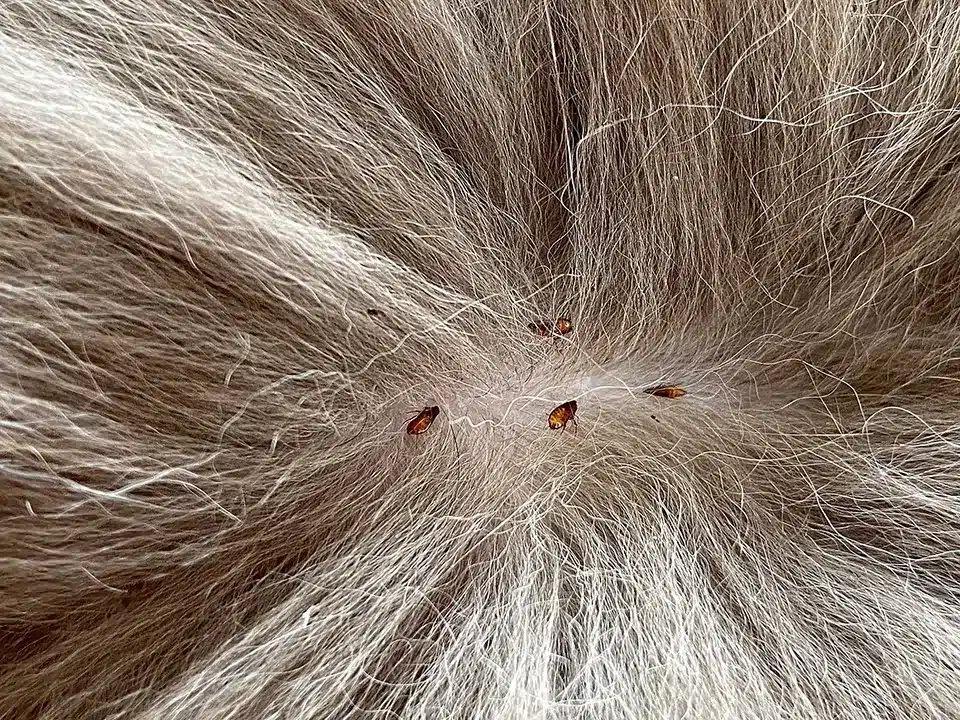
For many pets, the bite itself causes itching and irritation. However, flea saliva can also trigger allergic reactions in sensitive animals, leading to intense scratching, hair loss, inflamed skin, and secondary infections. Even a small number of fleas can make an allergic pet extremely uncomfortable.
Once they’ve found a host, fleas don’t waste any time. Female fleas can begin laying eggs within 24 to 48 hours after their first blood meal, producing dozens of eggs each day. Those eggs eventually fall off your pet into carpets, furniture, bedding, and your yard, allowing the infestation to spread throughout your home if it’s not addressed quickly.

Health Problems Fleas Can Cause for Your Pet
While fleas are often dismissed as a nuisance, they can have a serious impact on your pet’s health. Their bites are irritating on their own, but the problems don’t stop there. A flea infestation can lead to a variety of health concerns, some of which require veterinary care.
Excessive Itching and Skin Irritation
The most common sign of fleas is persistent scratching, biting, or licking. Flea bites can leave your pet with red, irritated skin that becomes increasingly uncomfortable as more fleas feed.
Skin Infections
Constant scratching and chewing can break the skin, allowing bacteria to enter and cause secondary infections. These infections may require antibiotics and additional treatment to help your pet heal.
Flea Allergy Dermatitis (FAD)
Some dogs and cats are allergic to proteins found in flea saliva. For these pets, even a single flea bite can trigger an intense allergic reaction known as flea allergy dermatitis. Symptoms may include severe itching, inflamed skin, hair loss, scabs, and hot spots — often around the tail, lower back, and hind legs.
Anemia
Fleas feed on blood, and in severe infestations — especially in puppies, kittens, elderly pets, or animals with weakened immune systems — blood loss can become significant enough to cause anemia. Signs of anemia include weakness, pale gums, lethargy, and loss of appetite. Without prompt treatment, severe anemia can become life-threatening.
Tapeworms
Fleas can carry tapeworm larvae. If your pet swallows an infected flea while grooming, they can develop a tapeworm infection. Although treatable, tapeworms can cause digestive issues, weight loss, and irritation around the tail.
Disease Transmission
While less common, fleas are capable of carrying bacteria and other pathogens that can affect both pets and people. Keeping fleas under control helps reduce the risk of disease spreading within your household.
The good news is that these health issues are largely preventable. Routine flea prevention, regular pet inspections, and prompt treatment at the first sign of fleas can help protect your pet from discomfort and more serious medical complications.
Protect Your Pets — and Your Yard — with U.S. Pest Protection
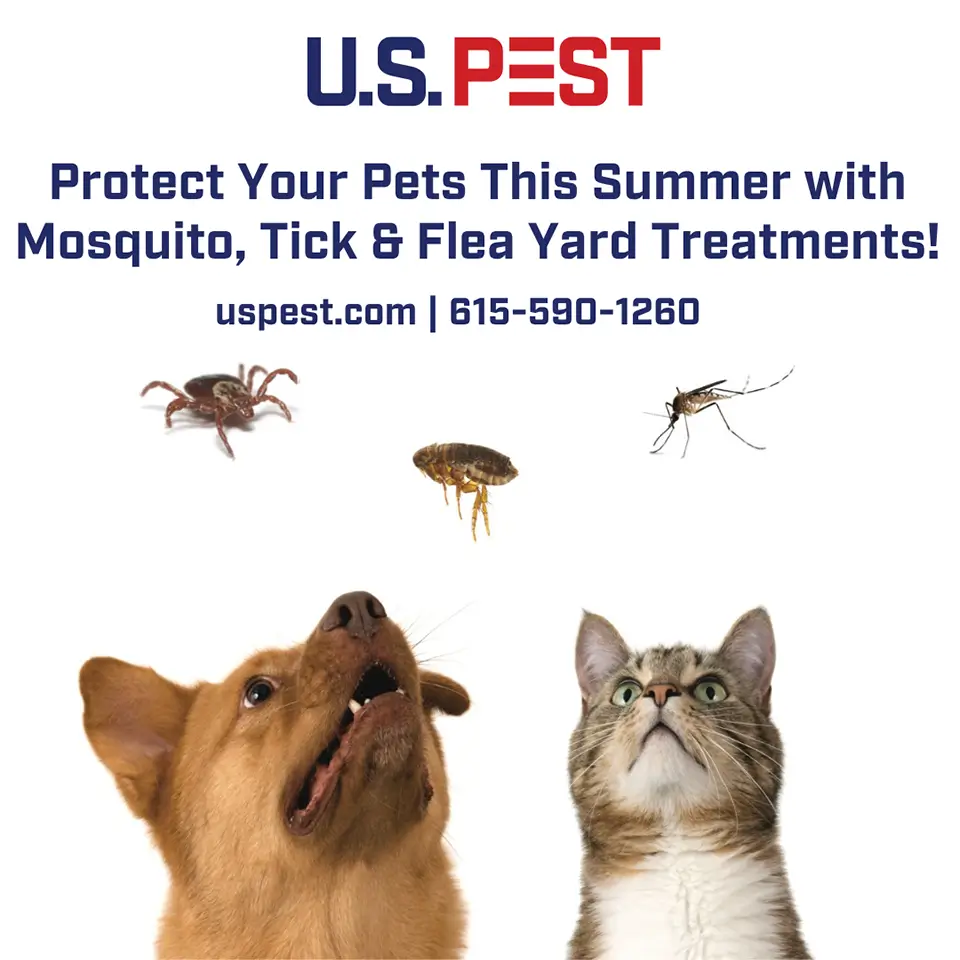
The best way to protect your pets from fleas is to stop them before they ever have the chance to hitch a ride indoors. That’s why U.S. Pest Protection offers a comprehensive monthly Mosquito, Flea & Tick Treatment designed to target all three pests with one convenient service.
Unlike treatments that focus on just one pest, our program is designed to protect your entire outdoor living space. Our trained technicians begin with a thorough inspection of your property to identify breeding areas, shaded hiding spots, and other locations where mosquitoes, fleas, and ticks thrive. From there, we create a customized treatment plan tailored to your yard and apply targeted treatments where these pests are most active — not just where they’re easiest to see.

By reducing flea populations in your yard, you’re helping prevent them from attaching to your pets and making their way into your home. At the same time, the treatment also controls mosquitoes and ticks, creating a more enjoyable outdoor environment for your family and your four-legged companions.
With monthly treatments throughout the season, you can enjoy lasting protection backed by U.S. Pest Protection’s Whatever It Takes Guarantee. If pests come back between scheduled visits, so will we — because protecting your home, family, and pets is our top priority.
Ready to take back your backyard? Schedule a free inspection with U.S. Pest Protection and let our experts create a customized mosquito, flea, and tick solution that keeps your pets protected and your outdoor spaces enjoyable all season long. Call us today at 615.590.1260 or schedule your FREE consultation online to get started.


