The True Cost of Termite Damage (And Why Prevention Is Always Cheaper)

Every homeowner hopes they’ll never have to deal with termites. But hope isn’t a strategy — and in Middle Tennessee, where subterranean termites thrive in the warm, humid soil, the odds aren’t in your favor without some kind of protection in place.
Here’s the part that catches most people off guard: the termites themselves are rarely the most expensive part of the problem. It’s everything they destroy before anyone notices them.
What Makes Termites So Destructive
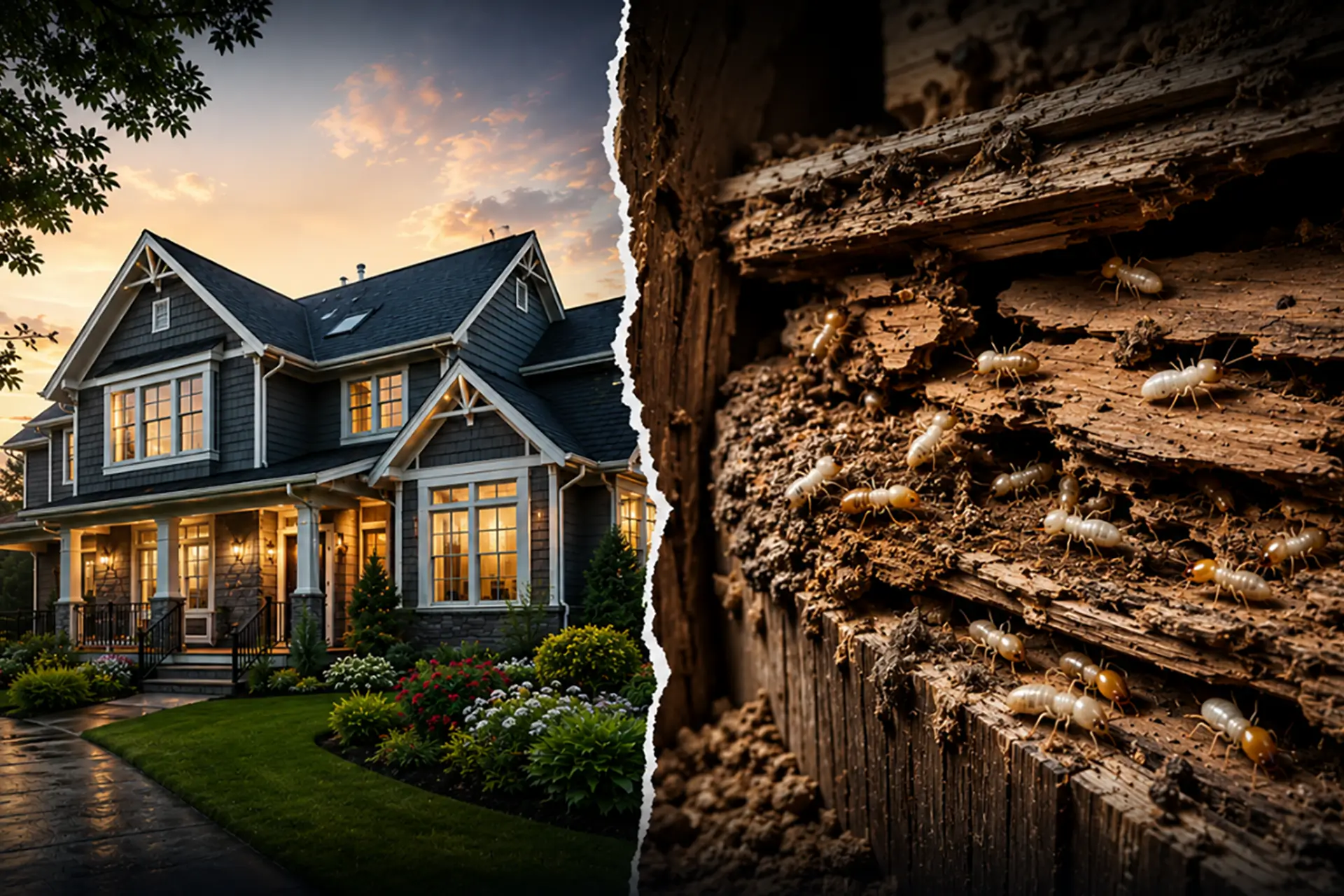
Termites aren’t like most household pests. You won’t hear them. You won’t see them leave a mess. They work silently inside the wood that holds your home together — floor joists, wall studs, support beams — eating from the inside out and leaving only a paper-thin outer layer intact.
A support beam can look perfectly normal on the outside while being extensively hollowed out underneath. By the time visible warning signs appear, the colony has often been active for months — sometimes years.
What makes this worse is the pace. Termite colonies never sleep. They feed 24 hours a day, seven days a week. A mature subterranean termite colony can contain anywhere from tens of thousands to over a million workers, all focused on a single goal: finding and consuming cellulose, the natural fiber found in wood.
In Middle Tennessee, subterranean termites are the most common species homeowners deal with. They live underground where the soil keeps them moist, and they travel to your home’s structure through mud tubes — thin, dirt-colored tunnels built along your foundation that protect them from light and dry air. Most homeowners never notice these tubes until they know to look for them.
Warning Signs That Termites Are Already Active
Because termites don’t leave sawdust behind like carpenter ants, and don’t make noise you can hear through the walls, the warning signs are easy to overlook. Watch for:
- Wood that sounds hollow when tapped
- Paint that’s bubbling or peeling without an obvious moisture source
- Floors that sag or feel soft underfoot
- Doors or windows that suddenly stick in their frames
- Mud tubes running along your foundation or crawl space walls
- Swarms of winged termites, especially in spring
If you’re seeing any of these, the colony isn’t new. Termites don’t announce themselves early.
How Much Does Termite Damage Actually Cost?
The answer depends entirely on how long the infestation went undetected. Catch it early and you’re looking at a manageable repair bill. Let it run for a few seasons and the numbers get uncomfortable fast.
Typical repair costs break down roughly like this:
- Minor flooring or wall repairs: $3,000–$8,000
- Damaged support beams or structural framing: $10,000–$20,000+
- Major structural reconstruction: $30,000 or more
And that’s before factoring in the cost of eliminating the colony itself. Once termites are confirmed, homeowners are typically facing two separate bills — treatment and repair — at the same time.
The detail that surprises most people: standard homeowner’s insurance doesn’t cover termite damage. Insurers classify it as a preventable maintenance issue, which means the full cost of repairs falls entirely on the homeowner.
Why Prevention Costs a Fraction of What Repairs Do
Professional termite protection is one of the few home maintenance expenses that genuinely pays for itself. Routine inspections catch activity early — often before any visible damage has occurred — and a maintained prevention plan keeps colonies from establishing in the first place.
Think of it the same way you think about oil changes or roof maintenance. Nobody waits for their engine to seize before changing the oil. Termite protection works on the same logic: consistent, affordable upkeep now, versus a major unexpected expense later.
The math is straightforward. Annual termite protection costs a small fraction of even the most minor repair scenario. Skipping it to save money in the short term is almost always the more expensive decision in the long run.

What a Professional Termite Inspection Actually Covers
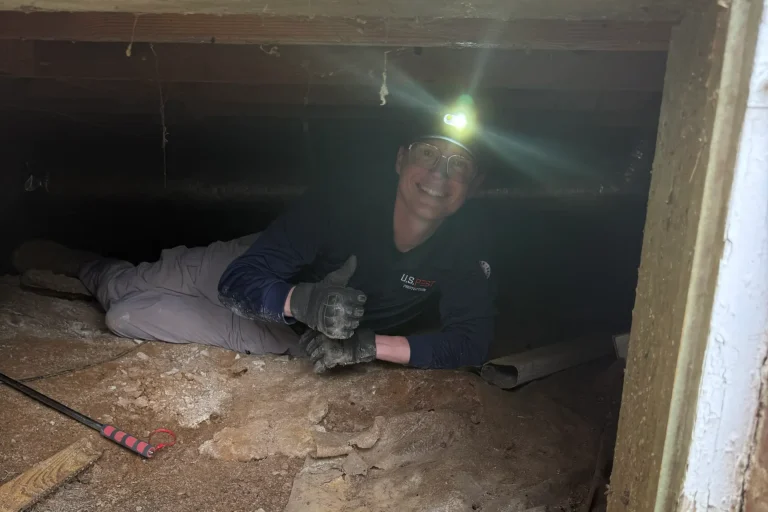
A professional termite inspection isn’t just a quick look around the perimeter. A trained technician evaluates your entire home — foundation, crawl space, attic, interior walls, and structural components — for any signs of active termite activity, past damage, moisture conditions that attract termites, and entry points that put your home at risk.
If activity is found, you’ll get a clear picture of where it is, how significant it is, and what treatment options make sense for your specific situation. If nothing is found, you walk away with documentation and peace of mind — and a plan to keep it that way.
Protect Your Home Before Termites Make the Decision for You
Termites are active right now in Middle Tennessee. They don’t take seasons off, and they don’t wait for a convenient time to cause problems. The homeowners who avoid major repair bills aren’t lucky — they’re the ones who got ahead of the problem before it had a chance to grow.
If it’s been more than a year since your last termite inspection, or if you’ve never had one, now is the right time to schedule it. U.S. Pest Protection offers free termite inspections across Middle Tennessee — Nashville, Franklin, Brentwood, Murfreesboro, Hendersonville, and beyond. Give us a call today and let’s make sure your home is protected.