Bug ID Series: How to Identify the Unwelcome Guests in Your Home

Let’s get this straight. When it comes to protecting your home, knowing what’s hiding inside is the first step. While pests are super annoying, they can also cause serious damage to your property.
Our team at U.S. Pest Protection believes that proper identification is the key to an effective service. With that being said, if you think something isn’t right at your house, there’s a 50 percent chance that something is going on beyond what you can see. That’s why it’s important to catch those signs early so you can avoid costly damages or other dangerous threats in the future.
In this blog, we’ll discuss five of the most common and unwelcome guests you typically find in your home this time of year. Are you ready to learn how to identify them?
Let’s get started!
Wasps Can Be Aggressive When they Feel Threatened
First, let’s talk about wasps. These guys are one of the most common and scariest pests that homeowners encounter on a daily basis. Unlike bees, wasps are seen as more aggressive insects and are able to sting more than once.
How do you identify them?
To properly identify a wasp, take note of the following characteristics. Wasps have slender bodies with a narrow waist, smooth skin, and bright yellow and black markings. Some common types you’ll find in Middle Tennessee are paper wasps, yellowjackets, and hornets. All of them create very different nests. And they range anywhere from umbrella-shaped structures under eaves to large, enclosed nests in trees or attics.
If you see any visible nests, an increase in wasp activity, or hear strange buzzing sounds in your walls, it’s time to call the professionals. We will take it from here and treat your property before an infestation gets worse.
Why does this even matter?
Unless you enjoy wasps buzzing around your property and scaring your family members, you’re going to want to pay attention to this part. Wasps are known as highly territorial insects, especially in the late summer months. If you try and knock down a nest without the proper equipment, you’ll trigger dangerous swarming behavior. And that ends up creating an atmosphere that quickly turns into your worst nightmare.
Termites: The SILENT Destroyers of Your Home
Did you know that termites are the most destructive pests in the United States? But it only gets worse from there. The worst part about this is that they’re extremely hard to find until a significant amount of damage has been done.
How do you identify them?
While termites are hard to find in general, you should watch out for the following characteristics. Termites are small, soft-bodied insects, usually pale or light brown colored. They are also commonly mistaken for ants. But some key differences between them are their straight antennae, uniform waists, and equal length wings.
Why does this matter?
Termites feed on cellulose, which is found in the wood. This means that the foundation of your home is severely at risk without any professional protection. Early prevention will save you thousands of dollars in repairs.
Brown Recluse Spiders: The Bite that Can Lead to a Serious Injury
The brown recluse spider is one of the most common spiders in the United States. And most homeowners are terrified of them. Some people honestly think every brown spider is a brown recluse, but that is not the case. If you come into contact with a brown recluse, it’s important to know how bad their bite can be. It can cause some serious damage to your skin and requires immediate medical attention.
How to properly identify them:
Brown recluse spiders are light to dark brown with a violin-shaped marking on their back. They only have six eyes that are arranged in pairs while other spiders have eight. A few signs of a brown recluse infestation include sightings in dark, undisturbed areas like basements and crawlspaces, more webs out in the open, and an increase of activity inside your home.
Why does this matter?
Honestly, it’s very rare for someone to experience a brown recluse bite. But when it happens, it can lead to a very dangerous incident for you. That’s why it’s extremely important to know how to identify which spider you’ve come into contact with. This will help you avoid severe panic and an expensive medical bill.
Ants: Tiny Pests that Create HUGE Problems Later
Have you ever played outside when you were younger and found a line of ants on the concrete? They may seem incredibly harmless at first, but certain species can cause several issues in your home. It can be anything from contaminating food if it’s not properly sealed to damaging structures.
How to identify the different ant species:
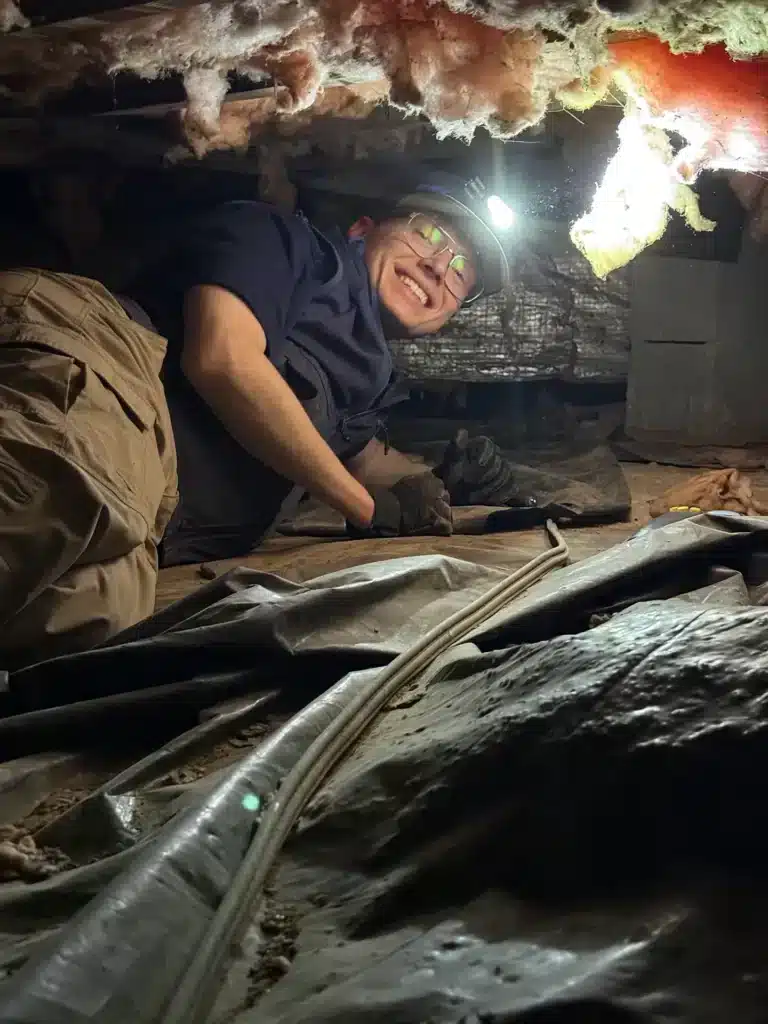
We know that ants vary in size and color. You might come across those tiny black ants in your driveway or large carpenter ants in your kitchen. They each have segmented bodies with a narrow waist and bent antennae. One is just larger than the other and targets different things around your home.
If you’re dealing with trails of ants in your kitchen, small piles of debris near the entry points of your home, or rustling noises in your walls, you have an infestation. And that means there’s only one solution: call the professionals.
Why does this matter?
Carpenter ants are capable of damaging wood, while black ants will contaminate your food if it’s left out. Take notes of the following characteristics so you can better prepare your home for the months ahead.
Ticks: Small Parasites that Lead to Big Health Scares
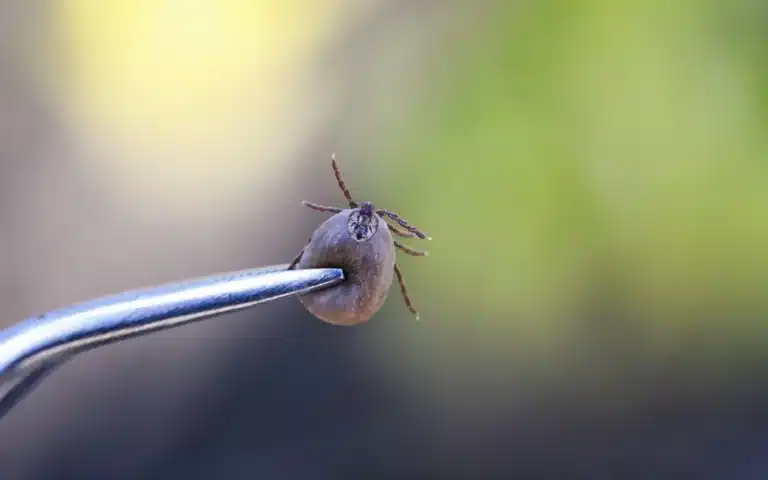
Last but not least, we want to warn you about ticks. And these bugs are more than annoying. They carry some pretty serious diseases, such as Lyme disease and Rocky Mountain spotted fever. Ticks are usually found on the outside of your home waiting to hitch a ride on you or your pet as you pass by.
How to identify them:
Ticks are very small, oval-shaped arachnids ranging in size. They have eight legs and latch onto hosts to get the nutrients they need to survive, such as your blood.
If you’re worried about a tick infestation, look no further. Our Mosquito, Flea, and Tick treatment is the perfect solution to eliminating the source.
Why does this matter?
This matters because ticks can easily transmit diseases after feeding on your blood. It’s important to remove them carefully with a pair of tweezers and keep up with your monthly service.
Wrapping Up: When to Call U.S. Pest for Help
The truth is, most people resort to trying DIY treatments first. It’s the first thing they think of when the panic starts. However, misidentifying a pest will lead to ineffective treatments, which will only make your problem worse. Each of these pests requires a professional treatment plan to make sure they stay away forever.
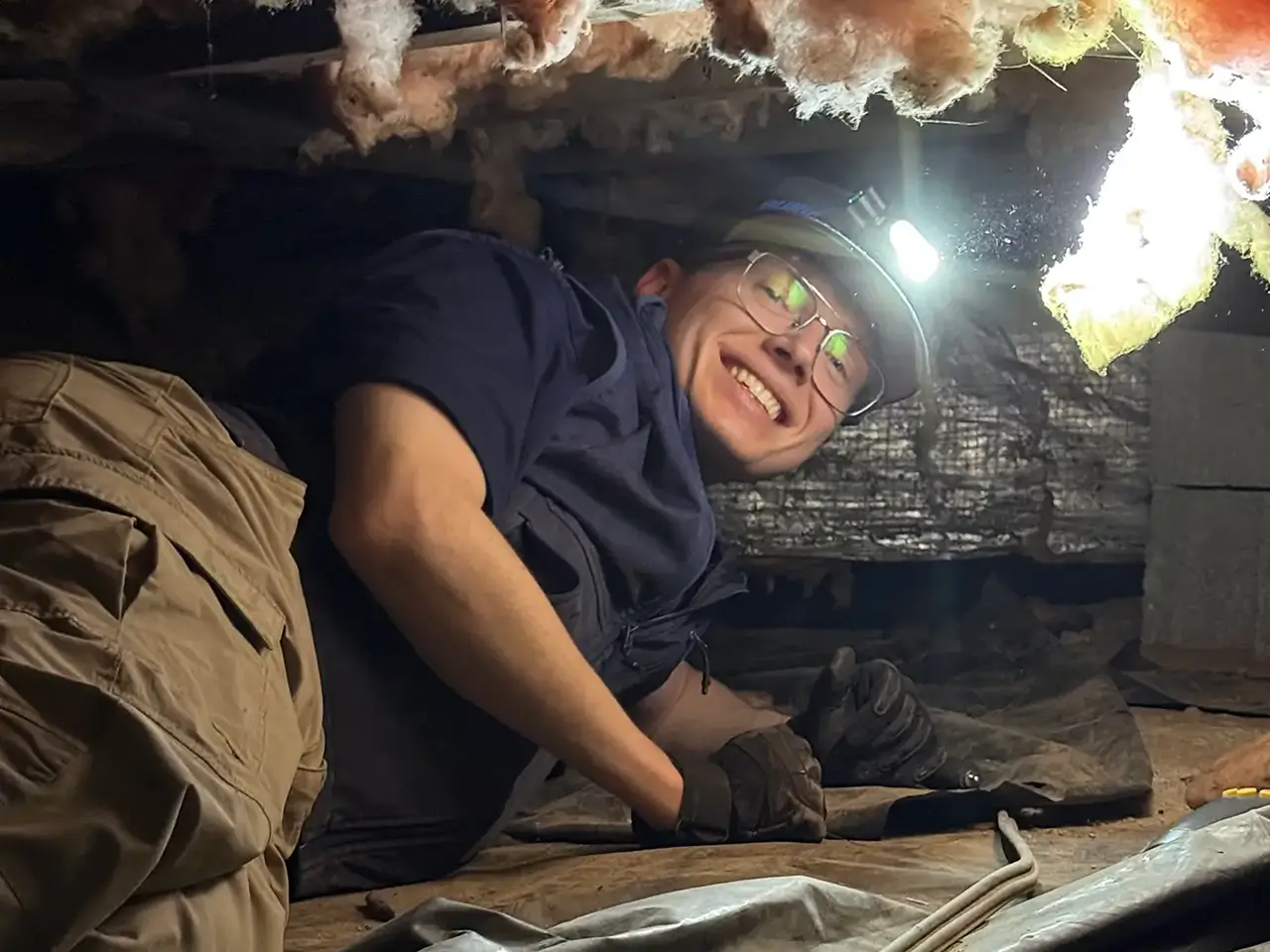
Our pest professionals are trained to identify them accurately, figure out where they’re coming from, and create a detailed plan that’s right for your home. At the end of the day, we want to make sure you’re protected long-term.
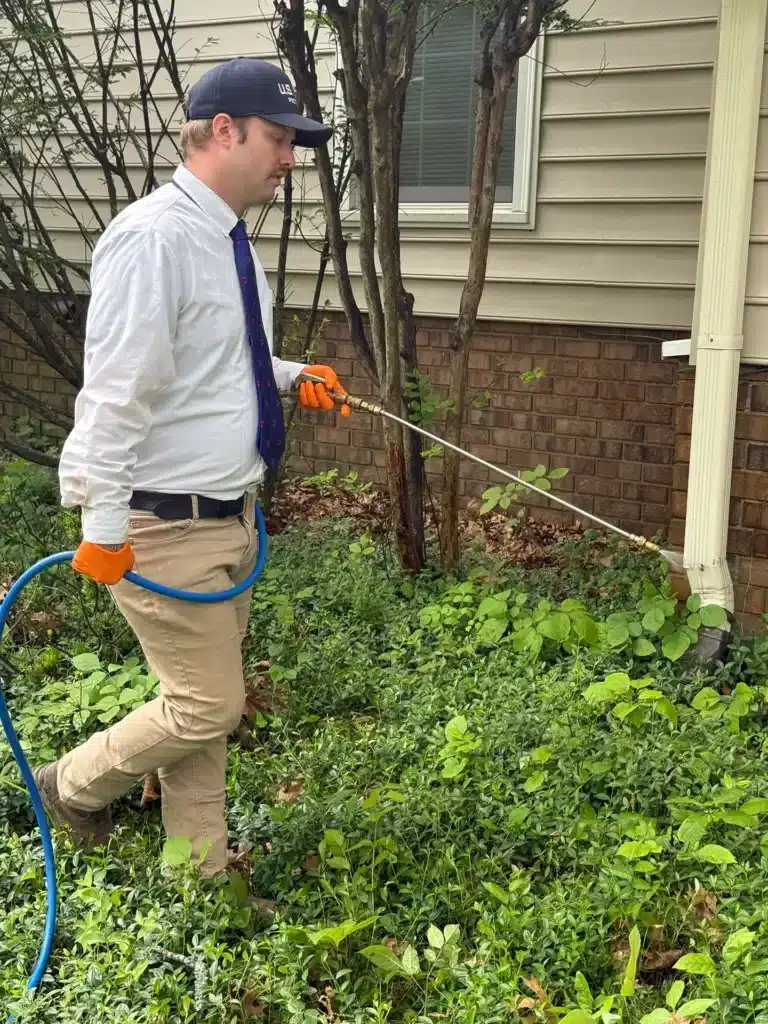
Our team will continue to help you spot and stop the pests that don’t belong in your home. Schedule your free inspection today by calling 615.590.1260 or…