
Bed Bugs in Tennessee | Pest ID Guide
Quick Facts About Bed Bugs
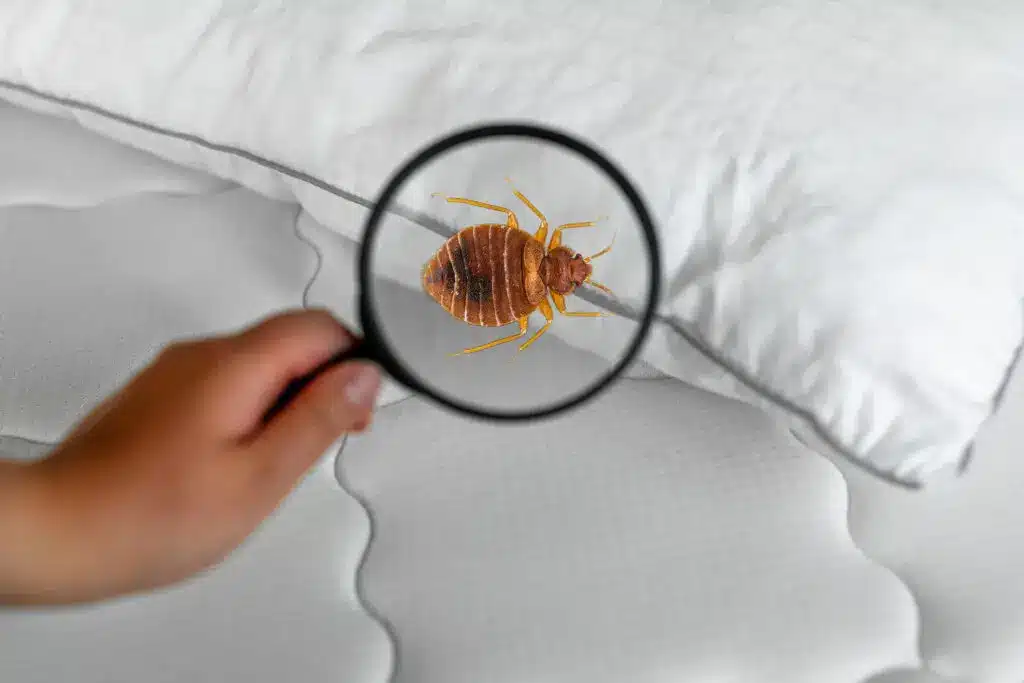
Bed bugs are small, flat insects that hide near where people sleep and feed on blood at night. They’re not a sign of a dirty home; they spread by hitchhiking in luggage, furniture, and clothing, and they turn up in homes, apartments, hotels, and dorms across Tennessee.- Size: Adults are about 3/16 inch, the size of an apple seed
- Color: Reddish-brown; redder and swollen after feeding
- Shape: Flat and oval when unfed, so they fit into very thin cracks
- Young bed bugs: Nymphs are smaller and pale or translucent until they feed
- Eggs: Tiny, white, about the size of a pinhead, laid in cracks and seams
- Survival: Adults can go months without feeding
How to Identify Bed Bugs
Look for a small, wingless, reddish-brown bug with a flat, oval body. They don’t jump or fly; they crawl.Bed Bugs vs. Look-Alikes
Carpet beetle larvae, bat bugs, and spider beetles are often mistaken for bed bugs. Itchy bumps with no bugs in sight can also come from carpet beetle larvae hairs, fleas, or mosquitoes. See our carpet beetle guide and flea guide.

Signs of Bed Bugs
- Small blood spots: Rusty or red stains on sheets and pillowcases
- Dark spots: Tiny black or brown specks of droppings on mattress seams and bed frames
- Shed skins: Pale, empty skins in seams, cracks, and along the headboard
- Eggs: Tiny white eggs in crevices
- Bites: Itchy red welts, often in a line or cluster, on skin exposed during sleep
- Odor: A musty, sweetish smell in heavy infestations
Bed Bug Bites
Bites often appear on the arms, shoulders, neck, and legs, sometimes in a row of three or four. Reactions vary widely: some people get itchy welts, while others don’t react at all, so bites alone can’t confirm bed bugs. Bed bugs aren’t known to spread disease, but scratching can lead to skin infections, and infestations cause real stress and lost sleep.

Where Bed Bugs Hide
- Mattress seams, tags, and piping
- Box springs and bed frames, especially joints and screw holes
- Headboards and nightstands
- Upholstered chairs and couches
- Behind baseboards, outlet covers, and picture frames
- Luggage, backpacks, and clothing piles near the bed
How Bed Bugs Spread
Bed bugs travel home in luggage from hotels, in used furniture and mattresses, and in bags and coats from public places. In apartments and townhomes, they can move between units through walls and plumbing. When traveling, keep luggage off the bed and floor, inspect the mattress seams, and wash and dry clothes on high heat when you get home.
Why DIY Treatments Usually Fail
Bed bugs hide deep in cracks, resist many over-the-counter products, and their eggs survive many treatments. Foggers and bug bombs don’t reach where they hide and can spread them to other rooms. Throwing out a mattress rarely solves the problem, because bed bugs are usually in the frame, furniture, and walls too.
How Professionals Get Rid of Bed Bugs
A professional inspection confirms whether you have bed bugs and how far they’ve spread. At U.S. Pest, we use chemical treatment, not heat, because we find it more effective. Every treatment includes required mattress encasements and a follow-up inspection 7 to 10 days later. You’ll get instructions for preparing the home, such as laundering bedding and clothing on high heat.

See our bed bug treatment services.
Frequently Asked Questions
What do bed bugs look like?
Adults are flat, oval, reddish-brown, wingless insects about the size of an apple seed. Nymphs are smaller and pale.
How do I know if I have bed bugs?
Look for small blood spots and dark specks on sheets and mattress seams, shed skins, tiny white eggs, and itchy bites in rows or clusters.
Do bed bugs mean my house is dirty?
No. Bed bugs spread by hitchhiking in luggage, furniture, and clothing, and can end up in very clean homes.
Can I get rid of bed bugs myself?
It’s very difficult. They hide deep in cracks, resist many products, and eggs survive most DIY treatments. Professional treatment is the reliable option.
Do bed bugs spread disease?
They aren’t known to spread disease, but bites can itch and become infected, and infestations cause significant stress.
Related Pests
Schedule a Free Inspection
Think you have bed bugs? U.S. Pest Protection will inspect at no cost and confirm what you’re dealing with. See our bed bug treatment services.A real TN person answers. No call center.
Free inspections across Middle Tennessee from your local, family-owned team.
