What’s Living in Your Holiday Decor Boxes? How to Safely Unpack Your Decorations This Season

It’s almost time to drag out the Christmas tree, untangle the lights, and turn your home into something festive. But before you start reaching into storage boxes, it’s worth knowing that your decorations may not have been alone in there all year.
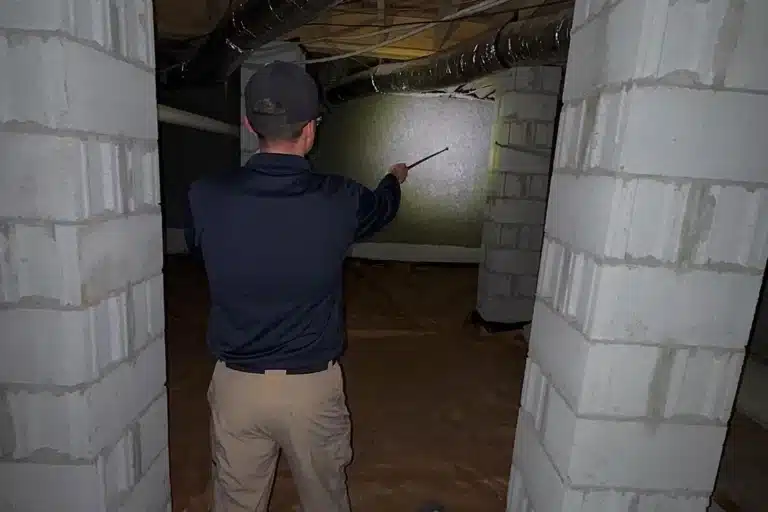
Boxes stored in attics, garages, basements, and closets can become a perfect hiding place for pests. While your ornaments were waiting for December, mice, spiders, cockroaches, and other insects may have been settling in right alongside them. Here’s what every homeowner should know before unpacking this season.
Why Holiday Storage Boxes Attract Pests
Think about where most people keep their holiday decorations: attics, crawl spaces, garages, closets. These are exactly the kinds of spaces that give pests what they need — shelter, nearby food and water sources, and plenty of undisturbed room to nest. Cardboard boxes are especially attractive to rodents, which will chew through them to build nesting areas, and to insects and spiders that tuck themselves between decorations, packing paper, and stored materials.
Common pests found in storage areas
- Mice. They love cardboard, paper, and fabric for nesting. Look for droppings, shredded materials, and gnaw marks.
- Spiders. Storage boxes offer dark, undisturbed hiding spots. You may find webs, egg sacs, or spiders tucked inside decorations.
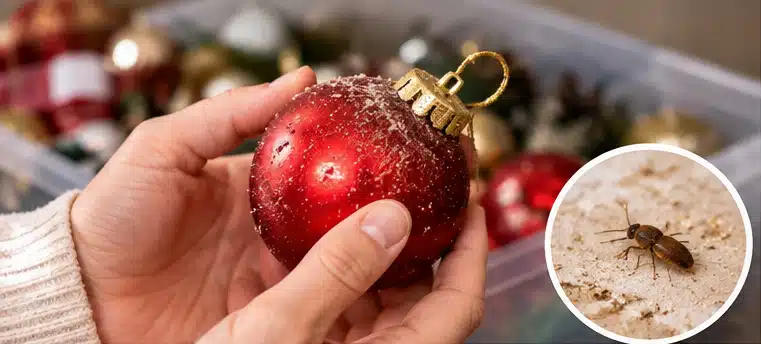
- Cockroaches. Roaches hide in cardboard seams and boxes, especially in warm or humid storage areas. Look for droppings, egg cases, and shed skins.
- Silverfish. These insects are drawn to dark, damp environments and to materials containing paper, glue, and fabric.
- Other occasional invaders. Depending on where your storage is, you may also encounter ants, beetles, and other insects that found their way in over the year.
5 Tips for Safely Opening Holiday Decor Boxes
You don’t have to skip decorating this year. A few quick precautions before you open those containers go a long way.
1. Inspect the outside of the box first.
Before you open anything, check the outside of each storage container for small holes or chew marks, droppings around or underneath the box, spider webs or egg sacs, damaged cardboard, unusual staining, and any insects crawling around the outside. If you spot signs of rodent activity, don’t bring the box straight inside — move it to a well-ventilated area outdoors if you can do so safely before going further.
2. Wear gloves before reaching inside.
Even if the outside looks clean, you don’t know what’s hiding between decorations. Wear gloves when handling anything that’s been sitting undisturbed for months, and avoid reaching blindly into dark boxes. Use a flashlight to check corners, packing materials, and the inside of containers before you dig in.
3. Open boxes in a well-lit, ventilated area.
When possible, unpack in the garage, a covered outdoor area, or another space with good light and ventilation. It’s much easier to spot insects, webs, egg cases, and signs of rodent activity before anything comes into the house.
If you find mouse droppings, urine, or nesting materials, stop unpacking. Don’t sweep or vacuum. The CDC recommends wearing gloves, soaking contaminated materials with disinfectant, and following specific cleanup steps to avoid stirring potentially contaminated dust into the air. For significant rodent activity, contact a professional rather than attempting cleanup yourself.
4. Check decorations before bringing them inside.
A clean box doesn’t mean every decoration inside is pest-free. Give wreaths, artificial trees, garlands, fabric items, cardboard ornaments, and anything wrapped in old newspaper or tissue paper a close look before it comes through the door. Shake out or gently brush off decorations outdoors and inspect them first.
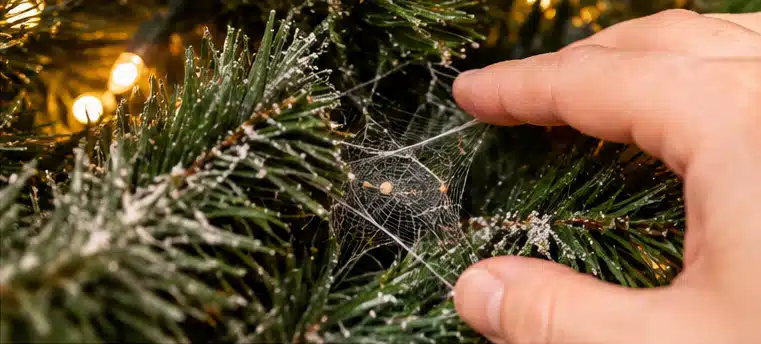
The same applies to live trees. Check branches, the trunk, and the needles for spider webs, egg sacs, and live insects before bringing a live tree inside, and shake it well. The same process goes for live wreaths and garland.
5. Replace damaged cardboard boxes.
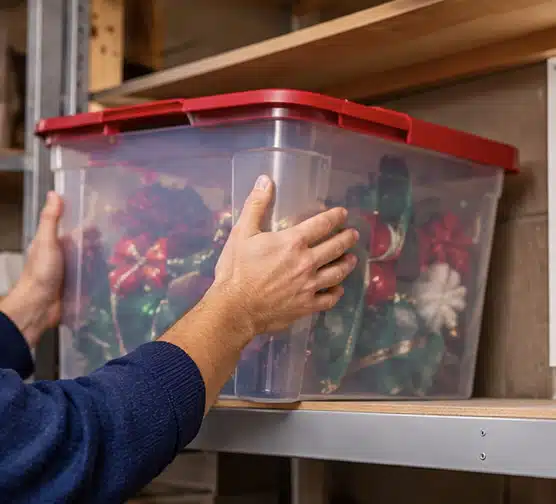
If you find signs of pest activity, damaged cardboard, or old nesting materials, it’s time to get rid of the box. Plastic storage containers with tight-fitting lids are a much better option for long-term storage — harder for rodents to chew through and better protection against insects and moisture. Make sure decorations are clean and completely dry before sealing them up for next year.
Think You Found More Than Decorations? Call U.S. Pest Protection.
Nobody wants to find out that spiders have been living in their Christmas storage boxes rent-free all year. If you’ve noticed signs of mice, spiders, roaches, or other pests around your home, don’t wait until they become holiday houseguests. U.S. Pest Protection serves Middle Tennessee homeowners year-round, and we offer free inspections. Call us at 615.590.1260 or schedule a free inspection.