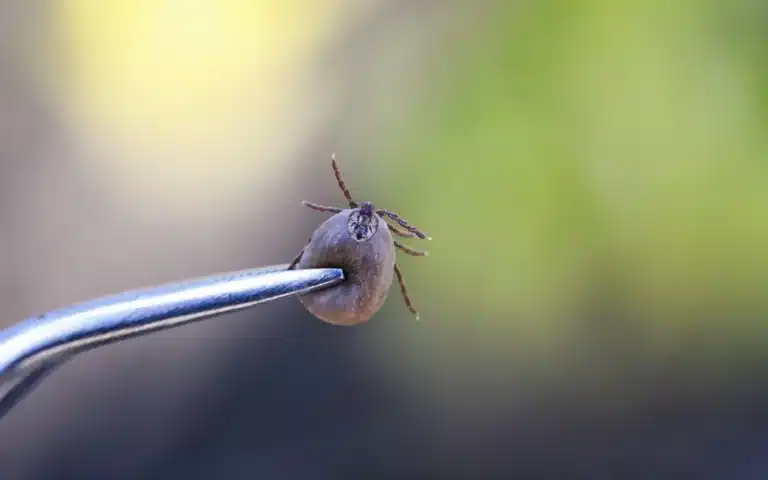

Things We Changed in Our Own Yard After J.K. Got Sick
We’ve been discussing ticks and J.K.’s story for almost a month now. You may be asking — what’s the conclusion? Is he back to normal? What now?
J.K. is fine.
He finished his antibiotics, the fever broke, the headache subsided, and he is back at work, being difficult about the fleet budget, just like his old self. It took longer than either of us expected, and there were a few days in the middle that I would not care to repeat, but we are back on track to normalcy now.
What I did not expect was how much we changed around our own house afterward. Obviously, we sell tick control. Two months ago, I would have told you our yard was handled, no doubt about it. Now I know that a treated yard is just one step in the equation.
Where Do Ticks Live in a Yard?
There aren’t clusters of ticks just sitting out in the middle of your lawn, mostly. Open, sunny grass dries them out — they need humidity and shade to survive.
Ticks are known to stack up along the transition lines of your yard. This could be where mowed grass meets the woods, along fence lines, in mulch or plant beds against the foundation of your home, under leaf litter, around stone walls and woodpiles.
DIY Tick Control
There is a surprising number of ways you can prepare your yard on your own, and none of it costs more than a Saturday of dedicated work.
- Clear leaf litter, especially along the treeline and mulch beds. This is typically a heavily concentrated spot for ticks.
- Cut back tall grass and brush where your lawn meets the woods. Keep it trimmed short when possible.
- Keep woodpiles up off the ground and away from the house.
- Put a three-foot strip of gravel or wood chips between the lawn and the treeline. Ticks are reluctant to cross it and it helps your kids and any guests know where the edge is so they don’t wander into unprotected areas.
- Move any playsets, benches, fire pits, etc. out into the sun, away from the shaded edges of the yard.
- If you have pets, especially dogs, talk to your vet about different prevention options. Plenty of products cover fleas and not ticks.
Are Professional Tick Treatments Worth It?
A well-run program substantially reduces the tick population around your home, which lowers your odds of a bite. Treatment doesn’t eliminate every tick on your property, and anyone who tells you otherwise is selling you something. There are plenty of ways ticks could still find their way in — they get carried on deer, on the neighbor’s cat, on birds. There is no such thing as a completely tick-free yard.
Treatment lowers exposure, but that doesn’t mean you can skip all the other steps of tick protection. You still need to do a tick check after you have been outside, and use repellent when you go into the woods. We run our own tick program on our own property, and my family still makes sure to take these precautions — especially now that J.K. has experienced the worst of what a tick can do.
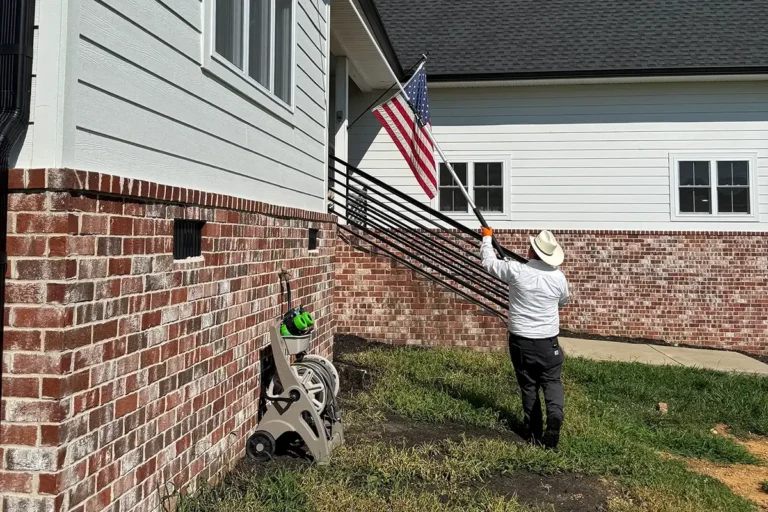
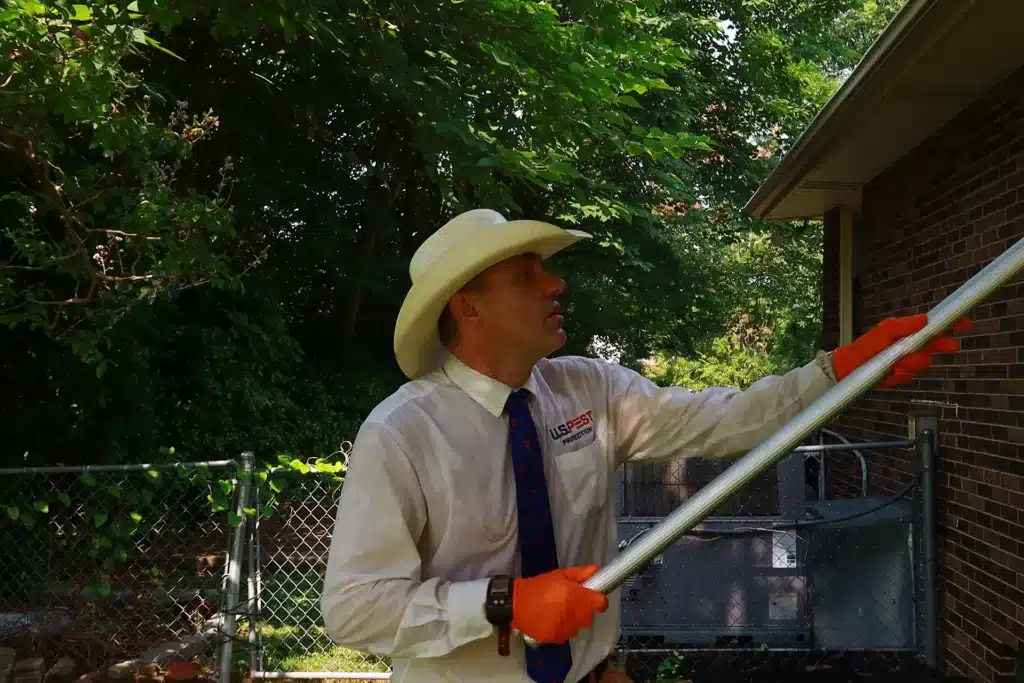
So how do we treat? At U.S. Pest, we use outside rigs rather than foggers. This allows technicians to place material deliberately into the places ticks may be resting instead of just drifting it around the yard. We treat the full property as a baseline, then move to work on high-concentration zones specifically.
Why Treat for Ticks in December and January?
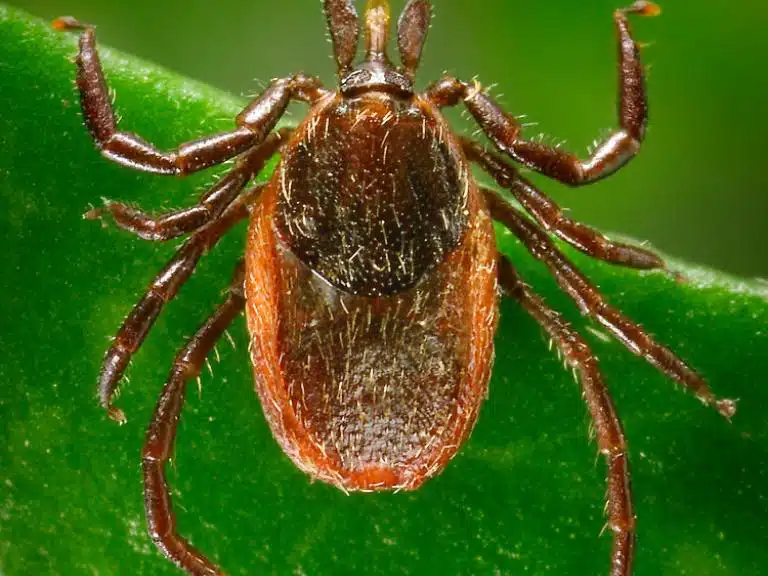
Blacklegged ticks carry Lyme disease, and the fact that it’s cold outside doesn’t bother them much.
The Tennessee Department of Health describes this species as able to bite any time the temperature is above freezing. The adult stage runs roughly October through May. If your tick service stops in October, you’re giving these ticks an uninterrupted seven-month run during their most active season.

This is where U.S. Pest breaks through the industry. Our program rotates through the year instead of applying the same thing every visit. From March through November, we apply a three-way tank mix. One product hits adult ticks already on the property, one lays a long residual barrier, and one adds a second mode of action to ensure we aren’t breeding resistance. In December and January, our techs shift to a granular application worked into the leaf litter and habitat where any missed adults will be overwintering. February is a growth regulator that breaks the life cycle before spring emergence, and it is far and away the cheapest month of the year to knock a population down.
We’ve seen our customers push back on the winter visits more than any other part of what we do. I used to give them a technical answer as to why it’s important. Now, I share J.K.’s story with them.
To Conclude
Our family has been doing this in Middle Tennessee since 1985. We know more about ticks than almost anyone in the game, and one still put my husband in the emergency room twice.
The key is to limit your exposure as much as you can. Check yourselves when you come in from outside. Check your kids and your pets. If you pull something off, photograph it and write down the date. And if you get sick after a bite, tell your doctor. If they disregard it, tell them again. Your health is the most important thing, and we urge you to advocate for yourself when it comes to ticks.

If you want someone to walk your property and show you where the ticks concentrate, U.S. Pest will do it for free. Sometimes, we find nothing and we give you some tips for how to keep it that way. Other times, we find real issues that need professional care. We’re here for you, no matter the situation. Call us at 615.590.1260… or…