

Roof Rats | Pest ID & Control Guide
Quick Facts About Roof Rats
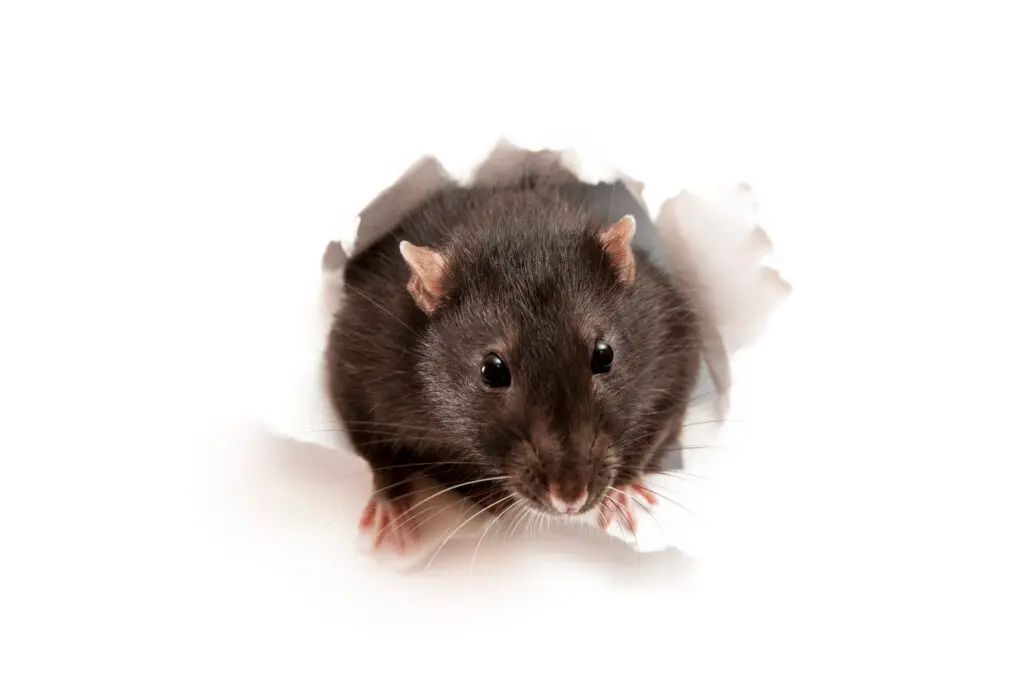
Roof rats, also called black rats, are slender, agile climbers. Instead of burrowing like Norway rats, they travel along tree limbs, fences, and utility lines and move into attics and upper walls. They’re more common in the southern part of Tennessee but turn up across the state.- Size: About 6 to 8 inches long, plus a tail longer than the head and body
- Color: Black to dark gray-brown, with a lighter gray or white belly
- Features: Pointed snout, large ears, large eyes, and smooth fur
- Droppings: About 1/2 inch, spindle-shaped with pointed ends
- Where they live: Attics, rafters, upper walls, trees, and dense vines
- Active: At night; they’re rarely seen during the day

What Do Roof Rats Look Like?
Roof rats look sleek and streamlined, with a tail that’s longer than the rest of the body.Roof Rats vs. Norway Rats
Norway rats are heavier, with a blunt nose, small ears, and a shorter tail, and they burrow and stay near the ground. Roof rats are lighter, climb easily, and live high in the structure. See our Norway rat guide.
Signs of Roof Rats
- Noises overhead: Scratching, scurrying, or rolling sounds in the attic or ceiling at night
- Droppings: Pointed droppings in the attic, on top of cabinets, or along rafters
- Gnawed wiring: Chewed wires and insulation in attics
- Rub marks: Dark smudges on rafters, beams, and around entry holes
- Damaged fruit: Hollowed-out fruit on trees or citrus left on the ground
- Pathways: Travel along fences, tree branches, and utility lines toward the roof
How Roof Rats Get In
- Tree limbs and vines touching the roof or siding
- Utility lines running to the house
- Gaps around roof vents, soffits, and fascia
- Openings where the roof meets the walls
- Gaps around attic fans, chimneys, and plumbing vents
Health & Property Risks
Health Concerns
Roof rats contaminate food and surfaces with droppings and urine and can spread diseases including leptospirosis and salmonellosis. They can also bring fleas and mites into the home.
Property Damage
In attics, roof rats shred insulation, chew electrical wiring (a fire hazard), damage ductwork, and nest in stored belongings.
How to Prevent Roof Rats
- Trim trees and shrubs: Keep branches several feet away from the roof and walls.
- Remove vines: Clear ivy and dense vines from walls and fences.
- Seal roofline gaps: Screen vents and seal openings around soffits, fascia, and roof penetrations.
- Pick up fruit and seed: Collect fallen fruit and nuts and use birdfeeders that limit spilled seed.
- Store food securely: Keep pet food and pantry items in sealed containers.
When to Call a Professional
Roof rats are cautious, avoid new objects, and live in hard-to-reach places, which makes them difficult to remove yourself. If you hear activity overhead or find droppings in the attic, a technician can locate entry points along the roofline, seal them, set traps and bait stations in the right places, and monitor until they’re gone. See our rodent control services.
Frequently Asked Questions
What does a roof rat look like?
Roof rats are slender, black to dark gray-brown rats with a pointed nose, large ears and eyes, and a tail longer than the head and body.
Are roof rats found in Tennessee?
Yes. They’re more common in the southern part of the state, but they turn up across Tennessee, especially in attics and trees.
What does it sound like when rats are in the attic?
Scratching, scurrying, or rolling sounds overhead, usually at night.
How do roof rats get into attics?
They climb tree limbs, vines, fences, and utility lines, then enter through gaps around vents, soffits, and rooflines.
How is a roof rat different from a Norway rat?
Roof rats are lighter, climb, and nest high, with a long tail and big ears. Norway rats are heavier, burrow, and stay low, with a shorter tail and small ears.
