
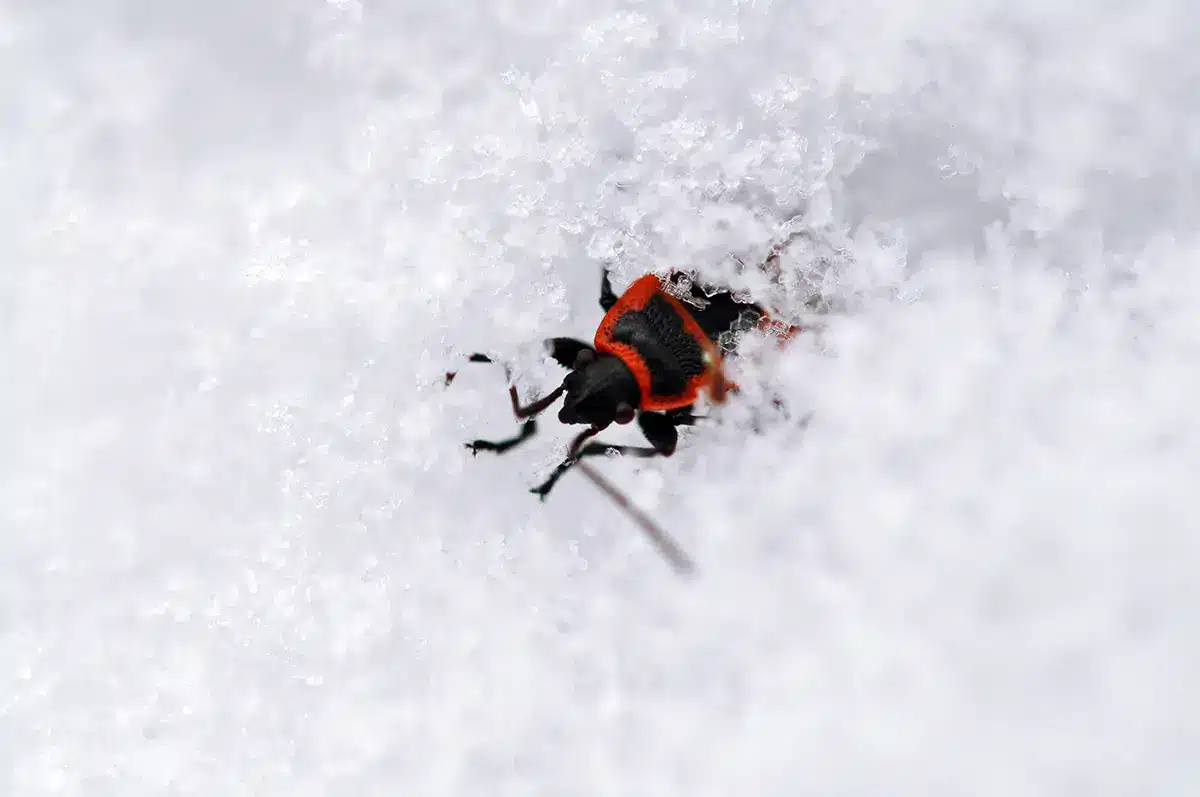
Snow Doesn’t Eliminate Bugs. Here’s How Melting Snow Actually Brings Moisture and Pests Inside
Have you ever wondered how snow affects pest control? If you’re new to the Middle Tennessee area, you probably thought you were escaping the snow. Unfortunately, that’s far from the truth. We usually get one bad snowstorm a year down here.
When winter arrives and brings all the snow and ice with it, many homeowners assume that’s what kills the pests. While it’s true that cold weather slows down pest activity, it doesn’t mean bugs disappear for the winter. In that case, snow and melting snow can directly impact bug activity around your home. It’s very crucial you understand how this works to prevent unwanted infestations in the future.
How Does the Cold Weather and Snow Affect Pests?
Most pests are cold-blooded, which means their body temperature and activity levels depend on the environment they live in. As the temperature begins to drop, they become less active, slow down their metabolisms, and enter survival mode. But most people don’t know that snow plays a very surprising role. It actually acts as an insulating barrier to protect them from the freezing cold. This insulation allows pests to survive the winter underground.
The most common winter pests include the following:
- Ants build nests or colonies underground or inside your walls.
- Spiders seek shelter indoors or in outdoor spaces.
- Cockroaches thrive the best in heated homes.
- Rodents benefit from warm nesting areas. Seal up everything to prevent them from coming into your home!
Why Bugs Enter Your Home During the Snowy Weather.
As outdoor conditions in Middle Tennessee continue to be a little harsh, bugs are on the move for warmth, moisture, and food. And your home is the perfect spot for them with all three. In order to keep them from making their way in, we recommend sealing all small cracks in the foundation, as well as gaps around doors and windows.
If the pests find a way inside, they will settle in your walls, basements, crawlspaces, attics, or wherever the temperature is consistent. Most homeowners believe that bugs die off in the winter, so this allows infestations to grow tremendously.

The Role of Melting Snow and Moisture Around Your Home.
While snow is a main factor for bugs hiding indoors, the bigger problem is actually
melting snow. Let us tell you why.
As the snow begins to melt in warmer temperatures, this causes large amounts of moisture to
release into the soil. This moisture can do the following:
- Increase humidity in basements and crawlspaces.
- Create standing water near the foundation of your home.
- Saturate mulch in your landscape areas, leaves, and any debris in your yard.
Moisture is what attracts pests the most, especially those bugs that thrive in damp
environments.
Bugs That Are Attracted to Moisture:
Here are a few types of bugs that you should watch out for when the snow begins to melt:
- Springtails.
- Centipedes and millipedes.
- Earwigs.
- Ants.
All of these pests are often found close to your home in wet conditions. This leads
homeowners to believe there’s a new infestation. When in reality, the melting snow has moved
them somewhere else.
How Moisture Problems Lead to Indoor Infestations:
A lot of moisture helps bugs survive and reproduce in the colder months. Basements and
crawlspaces are a huge concern during this time of year. Poor drainage, clogged gutters, or snow
piled up against the foundation can allow water inside your home. Once the moisture levels rise,
this gives pests an opportunity to find shelter in wall voids or other foundations around the
house.
How to Prevent Bugs During Snowy Weather:
Here are a few preventative steps to take when you’re preparing your home for a snowstorm.
- Control the moisture around your home.
- Clear all the snow away from your house consistently.
- Make sure all gutters are facing away from your home.
- Fix any and all leaks and improve drainage.
- Seal all entry points.
- Fix cracks in foundations and walls.
- Seal gaps around doors, windows, and utility lines.
- Repair all damages.
- Reduce indoor humidity.
- Use dehumidifiers in basements and crawlspaces. If you don’t have them, be sure to use your resources and call U.S. Pest Protection.
- Improve ventilation in bathrooms and laundry areas.
- Address condensation issues around pipes and windows.
- Keep your landscape maintained.
- Avoid piling snow, mulch, or leaves directly against the house.
- Trim back vegetation near the home.
- Remove debris, so it doesn’t trap moisture.
A Few Reminders on What to Watch for as Winter Comes to an End:
Late winter and early spring are peak times for pest activity. Please be aware of increased bug sightings, strong odors, and signs of water in your home. If you find and address these problems early on, it will prevent larger infestations from happening throughout the year.
As you can see, the snowy weather doesn’t eliminate bugs. They relocate and act differently to survive the cold. While colder temperatures slow down pest activity, the snow provides protection. But the melting snow is the real problem. We strongly encourage you to keep these seasonal problems in mind as we start preparing for spring. By taking these preventative steps, you can protect your home and have an easier transition to the warmer seasons ahead.

Staying ahead of the game during the winter makes all the difference. With over 40+ years of expertise in the pest control industry, we promise you’ll end up thanking yourself, and the professionals later. So, if you want to learn more about winter pests, give us a call at 615.590.1260. We’ll do whatever it takes for you and your home!


