Our Commitment to Pollinator Protection in Middle Tennessee

At U.S. Pest, our mission is simple: to protect homes, businesses, and people. But there’s also something else that we protect, and it’s gaining a lot more attention in the U.S. this year. Can you guess what that is?
If you guessed protecting beneficial insects, like honey bees, caterpillars, and butterflies, you’re correct! These are all important insects for our environment, and the way we approach pest control either supports or harms them.
Let us make this clear. We aren’t writing this blog to make you choose between pest control and pollinator protection. We’re here to educate you on how we actually protect the pollinators. Let’s dive in.
Why Pollinators Have a Strong Impact on the Environment
Pollinators are an essential part of our environment. Their primary responsibility is transferring pollen from one flower to another. This process allows plants to produce fruit, vegetables, seeds, and other nutrients we need to survive. In fact, a lot of the food we eat on a daily basis depends on pollination. So if we didn’t have these pollinators, we wouldn’t get to enjoy what we love the most.
Besides agricultural products, pollinators also support several ecosystems. Plants that rely on pollination provide food and shelter for wild animals, help maintain cleaner air, and make the soil healthier. Without pollinators doing what they do best, plants wouldn’t survive as long as they do now. And this will negatively affect us, animals, and our environment over time.
Middle Tennessee is very fortunate with a wide variety of pollinators from honey bees to caterpillars. Now, we need you to keep in mind that protecting these insects isn’t just an environmental issue. It’s our responsibility to make sure our community continues to get the nutrients we need.
Now that we know how much pollinators impact our environment, let’s move on to how pest control safely protects them.
Is Pest Control Safe or a Threat to Pollinators?
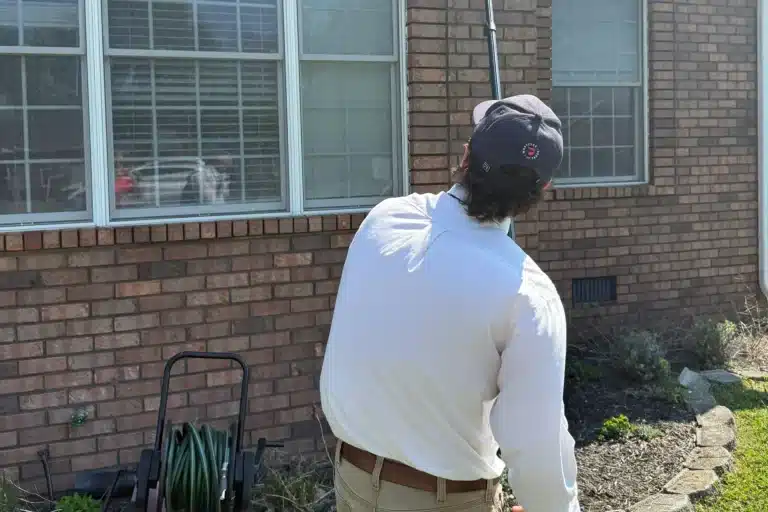
Most people believe that pest control is a huge threat to the pollinators with the chemicals used. However, U.S. Pest creates a well thought out plan to eliminate the harmful pests while minimizing the brutal impact on the species we want to protect.
Furthermore, we don’t always rely on widespread chemical applications. Instead, we tend to focus on identifying the problem, targeting the source, and using safer products to reduce unnecessary exposure. For instance, most pollinators are active during daylight hours. We typically avoid spraying in gardens, around flower pots, or other areas where these insects hangout in.
The main goal we want to make clear for you: To eliminate the pests that are harmful to humans, animals, and foundations while protecting what’s beneficial to our environment.
Have you ever found it difficult to tell a pollinator apart from other bugs? You’re in luck! We’re here to help you make it easier.
Understanding Each of the Most Common Pollinators
When it comes to identifying a pollinator, it helps to know who they are and how they behave. The main ones you’ll come across in Tennessee are honey bees, caterpillars, and butterflies.
Honey Bees
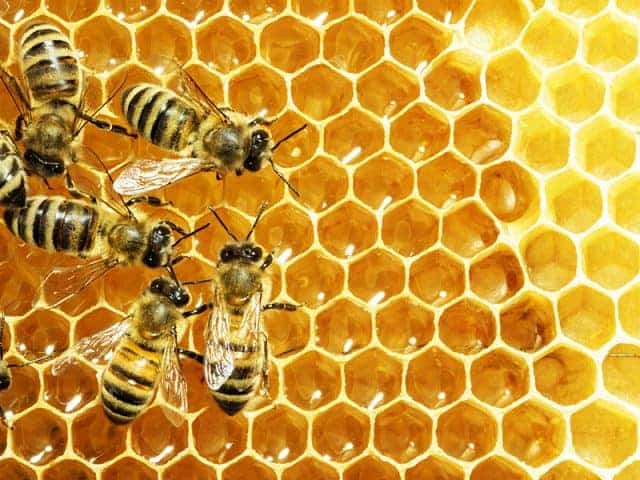
Let’s tackle the honey bees first. They are among the most well-known pollinators and add so much value to agricultural and natural ecosystems. You’ll typically find them in colonies that are highly skilled in pollinating crops and flowers. However, it’s important to keep in mind that they’re incredibly sensitive to environmental changes. So, keep up with your pest control services to stay informed on what each season brings!
Caterpillars
Here’s the thing about caterpillars. They’re often viewed as a nuisance because of their appetite for plants. But they’re a crucial stage in the lifecycle of butterflies and moths, which turns them into pollinators over time.
Butterflies
Butterflies are one of the prettiest bugs out there. And most people don’t realize that they’re also very important to the pollinator world. In fact, when you see them moving from flower to flower and feeding on nectar, they’re actually transferring pollen. Another interesting fact about these creatures is that they transform from tiny caterpillars into adult butterflies, which plays an important role in supporting biodiversity.
What to Keep in Mind When Coming Across their Habitats
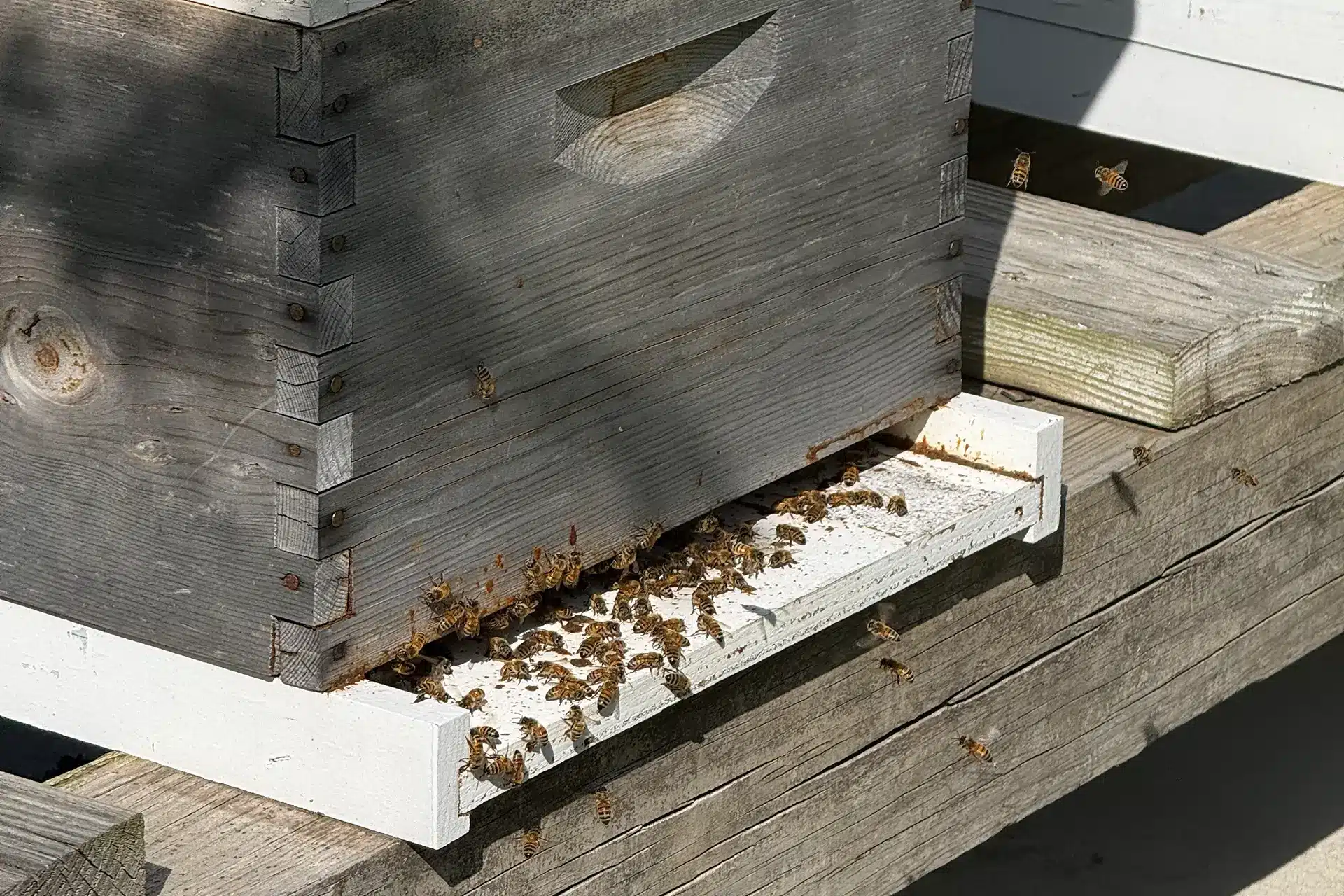
One of the MOST important ways to protect pollinators is by being mindful of their habitats. Whether they’re at home or on your property, small actions will make a huge difference. For instance, if you come across a bee hive, butterfly garden, or another location, avoid disturbing it at all costs. You might start panicking when you come face-to-face with a hive. But our advice for you is to stay calm and back away slowly. Bees, especially, are very sensitive to scents, vibrations, and any movement that has to do with fear and panic.
When someone panics, these insects will pick up on the threat and go into survival mode, which often results in using their stinger. If you notice a pollinator’s habitat being in an unsafe area, we recommend contacting a professional pest control company immediately. It’s better to move their home to a safer area where they can continue what they do best. And the pest professionals know exactly how to do this.
Moving Forward the Smart Way
As you can see, protecting pollinators doesn’t mean you have to ignore other pest problems. It just means it’s better to address these situations in a smarter and more professional way.
Our team at U.S. Pest is committed to properly educating our customers and providing the best possible solutions to similar situations every single day. This includes staying informed on the latest products, improving the way we handle things, and ensuring our team understands the importance of pollinator protection.
Wrapping Up
We’re now aware that pollinators are a major part of our ecosystem, which means protecting them is more important than ever. And the good news? You don’t have to choose between a pest-free home and supporting the environment. Because with the right approach, it’s possible to do both.
Our commitment to you goes beyond pest control. We are determined to do whatever it takes to protect the insects that keep Middle Tennessee looking beautiful. By combining the most effective treatments with professional technicians, we’re creating safer spaces for everyone.
Together, we can lead with an approach that delivers great results while caring for the environment. Schedule a FREE inspection today!